
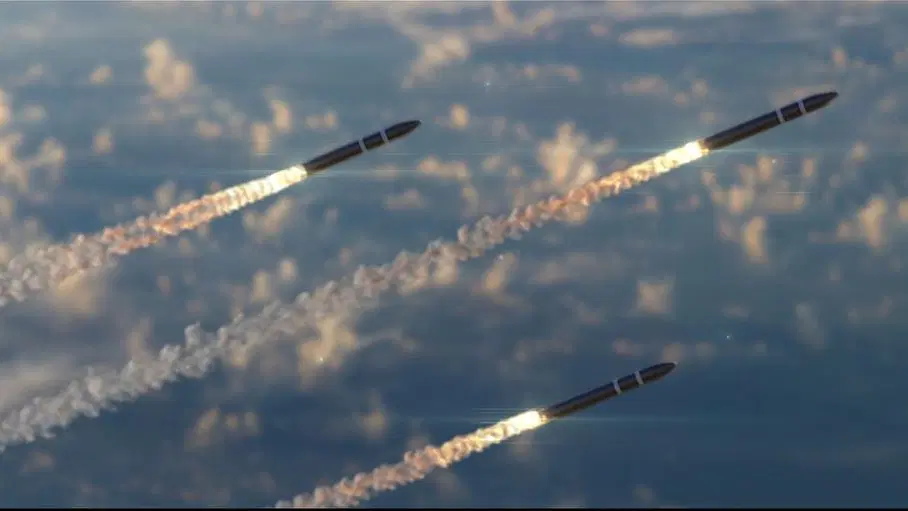
The integration of artificial intelligence into missile defense systems is rapidly transforming the reliability and effectiveness of solid-fuel interceptors. As global threats evolve and adversaries develop more sophisticated offensive technologies, the need for dependable, responsive, and intelligent defense solutions has never been greater. Solid-fuel interceptors, known for their rapid launch capabilities and stable storage, are a cornerstone of modern missile defense. However, ensuring their consistent performance under real-world conditions requires more than just robust engineering—it demands advanced data analysis, predictive maintenance, and adaptive control, all of which are now possible thanks to AI.
In this article, we will explore how machine learning and advanced algorithms are enhancing the dependability of these critical defense assets. We’ll also look at the practical ways AI is being used to monitor, predict, and optimize every stage of interceptor operation, from pre-launch diagnostics to in-flight adjustments. For those interested in the broader context of AI in missile defense, you may also want to read about how ai manages the transition from detection to engagement for a deeper understanding of the full engagement cycle.
AI-Driven Diagnostics for Solid-Fuel Interceptor Reliability
One of the most significant contributions of AI to missile defense is its ability to perform real-time diagnostics on solid-fuel interceptors. Traditionally, maintenance teams relied on scheduled inspections and manual checks, which could overlook subtle signs of wear or degradation. AI changes this by continuously analyzing sensor data from the interceptors, including temperature, pressure, vibration, and chemical composition of the solid fuel.
Machine learning models can detect anomalies that might indicate early-stage faults or performance drift. For example, if a sensor detects a slight change in the burn rate of the fuel, AI algorithms can flag this for immediate attention, allowing for proactive maintenance before a failure occurs. This predictive capability reduces the risk of launch failures and increases the overall readiness of the interceptor fleet.
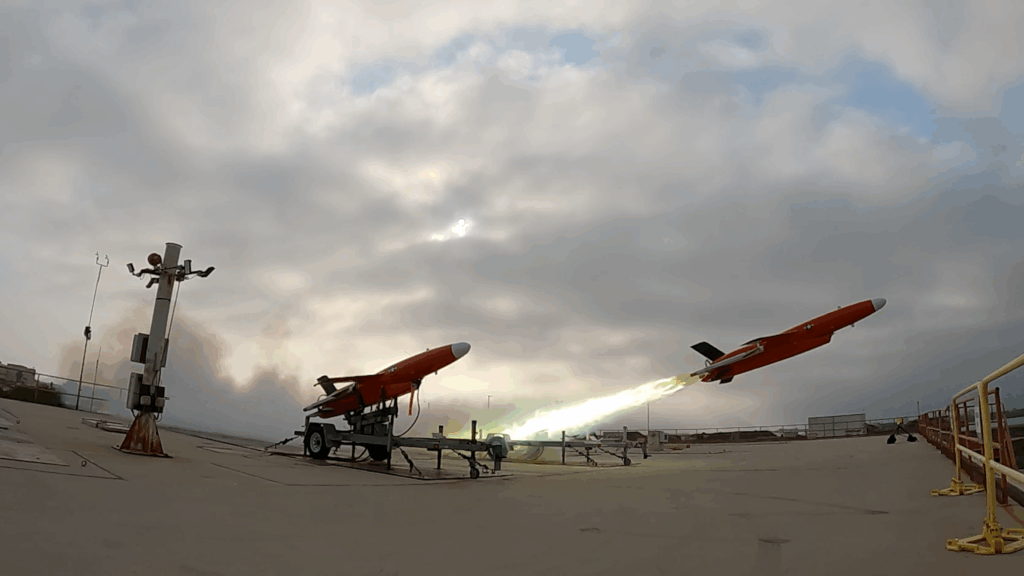
Enhancing Launch Readiness with Predictive Analytics
Solid-fuel interceptors are valued for their ability to remain on standby for extended periods and launch at a moment’s notice. However, environmental factors such as humidity, temperature fluctuations, and storage conditions can affect the integrity of the fuel and the mechanical systems. AI-powered predictive analytics can model the impact of these factors over time, providing operators with actionable insights into when an interceptor may require servicing or repositioning.
By leveraging historical data and real-time monitoring, AI systems can estimate the remaining useful life of each component and recommend optimal maintenance schedules. This not only improves reliability but also extends the operational lifespan of the interceptors, maximizing return on investment for defense agencies.
Adaptive Guidance and Control: AI in Flight Operations
Once a solid-fuel interceptor is launched, its ability to adapt to changing conditions is critical for mission success. AI enhances in-flight reliability by processing sensor inputs and environmental data in real time, allowing the interceptor to adjust its trajectory and propulsion parameters as needed. This is particularly important when countering unpredictable or maneuverable threats, such as hypersonic missiles.
AI-driven guidance systems can rapidly recalculate optimal flight paths, compensate for unexpected wind patterns, or respond to evasive maneuvers by incoming targets. This adaptability ensures that the interceptor maintains a high probability of successful interception, even in complex and dynamic combat scenarios.
For more on how AI identifies and responds to threats, see the article on how ai identifies vulnerable points in incoming missiles.
Data Fusion and Decision Support for Operators
Modern missile defense operations generate vast amounts of data from radar, satellite, and onboard sensors. AI excels at fusing this data into a coherent operational picture, enabling faster and more accurate decision-making. For solid-fuel interceptors, this means operators can receive real-time alerts about potential issues, recommended actions, and projected outcomes based on current system status.
Decision support tools powered by AI can also simulate various engagement scenarios, helping commanders choose the best response to evolving threats. This reduces human error and ensures that every interceptor launch is based on the most up-to-date and comprehensive information available.

Case Study: Real-Time Tracking and Threat Response
A practical example of AI’s impact on missile defense can be seen in its application to real-time tracking and engagement of hypersonic threats. According to this detailed analysis of AI tracking hypersonic missiles in real-time combat, advanced algorithms enable defense systems to process sensor data at unprecedented speeds, predict target trajectories, and coordinate interceptor launches with split-second precision.
By integrating these capabilities with solid-fuel interceptor platforms, defense forces can respond more effectively to fast-moving and unpredictable threats. AI not only increases the likelihood of a successful intercept but also minimizes the risk of collateral damage by ensuring precise targeting and control.
Broader Benefits of AI for Missile Defense Systems
The advantages of AI extend beyond just reliability. By automating routine monitoring and maintenance tasks, AI frees up human operators to focus on strategic decision-making. It also enables continuous improvement of interceptor performance through machine learning, as each engagement provides new data for refining algorithms and optimizing future operations.
For a broader perspective on the role of AI in theater-level missile defense, consider reading about the benefits of ai for theater-level missile defense. These insights highlight how AI is reshaping not just individual interceptors, but entire defense architectures.
Challenges and Future Directions
While the benefits of AI for solid-fuel interceptor reliability are clear, there are still challenges to address. Ensuring cybersecurity, validating AI models under real-world conditions, and integrating legacy systems with new technologies all require careful planning and ongoing research. As AI continues to evolve, future developments may include even more autonomous interceptors, collaborative swarms, and advanced threat prediction capabilities.
Ongoing collaboration between defense agencies, technology providers, and research institutions will be essential to fully realize the potential of AI in this domain. As these partnerships mature, we can expect to see even greater improvements in the dependability and effectiveness of missile defense systems worldwide.
Frequently Asked Questions
How does AI detect potential failures in solid-fuel interceptors?
AI systems use machine learning algorithms to analyze sensor data from interceptors, such as temperature, pressure, and vibration. By identifying patterns and anomalies, these systems can detect early signs of wear, degradation, or malfunction, enabling proactive maintenance and reducing the risk of failure during launch or flight.
Can AI help extend the operational life of solid-fuel interceptors?
Yes, predictive analytics powered by AI can model the effects of environmental conditions and usage patterns on interceptor components. This allows operators to schedule maintenance more effectively and optimize storage conditions, ultimately extending the lifespan of each interceptor and improving overall fleet readiness.
What role does AI play during the flight of an interceptor?
During flight, AI processes real-time data from onboard sensors and external sources to adapt the interceptor’s trajectory and propulsion. This enables the system to respond to changing conditions, such as evasive maneuvers by a target or unexpected weather, increasing the likelihood of a successful interception.
Where can I learn more about AI applications in missile defense?
For additional information, you can explore related topics such as how ai optimizes the deployment of decoy flares and how ai identifies the type of fuel used in a missile launch to see how AI is being used across various aspects of missile defense technology.