
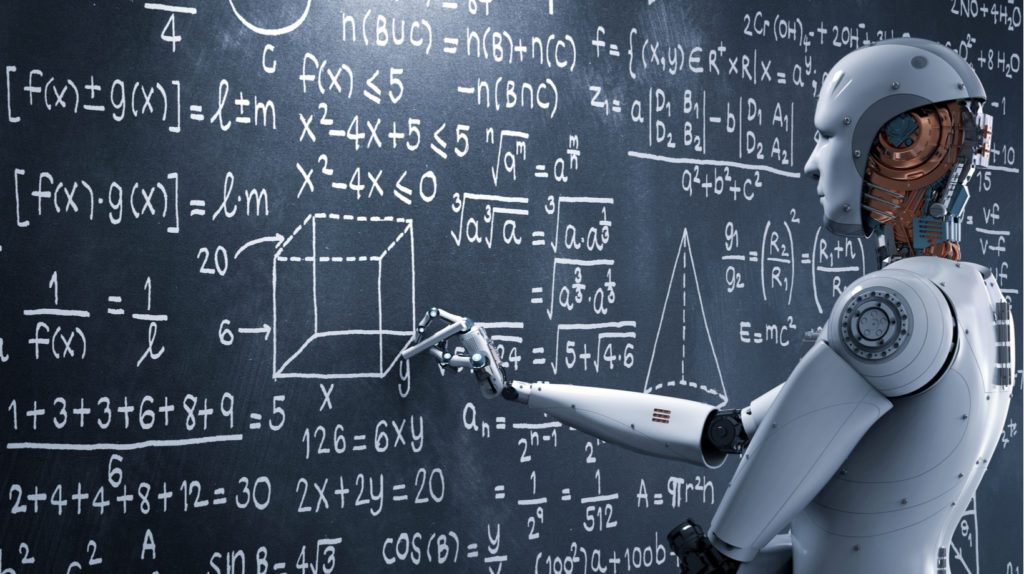
Artificial intelligence is rapidly transforming classrooms, administrative processes, and learning experiences. While the potential of AI in academic settings is significant, it’s essential to recognize that these technologies come with notable constraints. Understanding AI limitations in education helps educators, students, and policymakers make informed decisions about integrating these tools and setting realistic expectations for their impact.
In this guide, we’ll explore the main challenges and boundaries of AI in learning environments, from technical shortcomings to ethical and social concerns. For those interested in how artificial intelligence is shaping science, technology, engineering, and mathematics, our resource on AI and learning outcomes in STEM offers further insights.
Technical and Practical Barriers of Artificial Intelligence in Schools
Despite the promise of automation and personalized learning, AI systems in education often face technical obstacles. Many algorithms require vast amounts of data to function effectively, which can be a challenge in smaller schools or with niche subjects. Additionally, AI models sometimes struggle to adapt to the unique needs of individual learners, especially when those needs deviate from the data used to train the system.
Another practical concern is the reliability of AI-powered tools. These systems can make mistakes, misinterpret student input, or provide feedback that lacks nuance. Teachers and administrators must remain vigilant, ensuring that technology supports rather than replaces human judgment.
Equity, Bias, and Accessibility Concerns in AI-Driven Learning
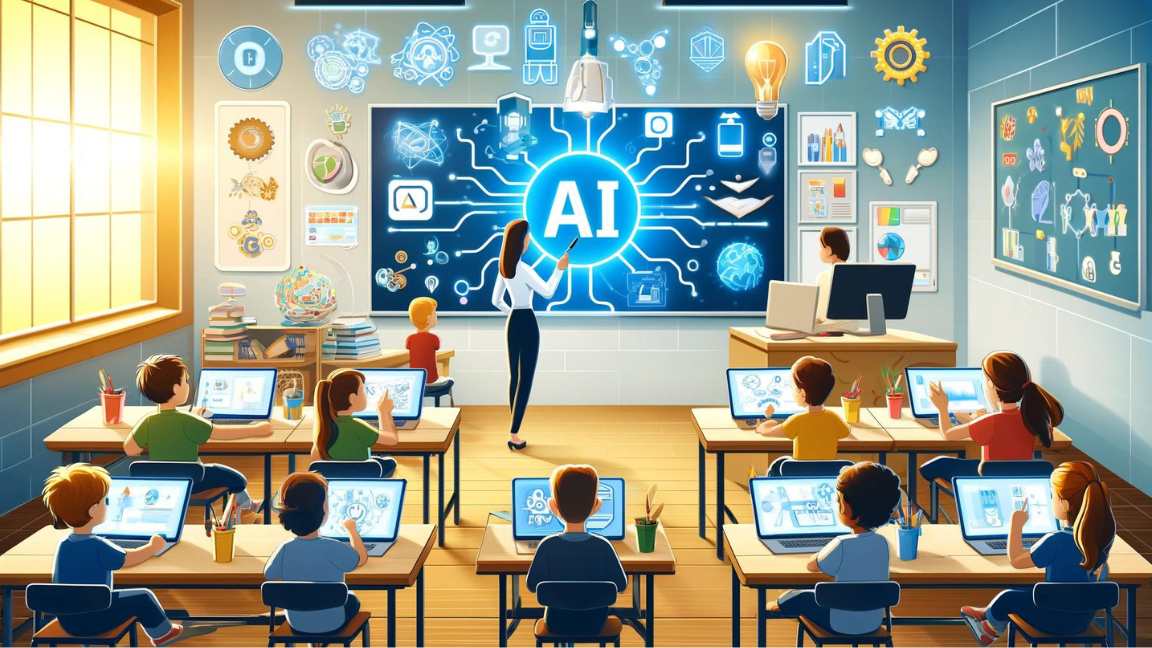
One of the most pressing AI limitations in education is the risk of perpetuating or amplifying existing inequalities. AI models are only as unbiased as the data they are trained on. If historical data reflects social or cultural biases, the resulting tools may disadvantage certain groups of students.
Accessibility is another critical issue. Not all students have equal access to the devices or internet connectivity required for AI-based tools. This digital divide can widen achievement gaps rather than close them. Furthermore, students with disabilities may find that AI systems are not always designed with their needs in mind, limiting the technology’s usefulness for inclusive education.
For a deeper look at how AI can support diverse learners, see our article on AI for inclusive STEM learning.
Ethical Challenges and Data Privacy in Educational AI
The use of artificial intelligence in schools raises important ethical questions. Student data privacy is a top concern, as AI tools often require access to sensitive information to function effectively. Without robust safeguards, there is a risk of data breaches or misuse of personal information.
Transparency is also a challenge. Many AI systems operate as “black boxes,” making decisions in ways that are difficult for educators and students to understand. This lack of clarity can erode trust and make it harder to identify and correct errors or biases.
For a global perspective on these issues, the UNESCO overview of artificial intelligence in digital education provides valuable context and recommendations.
Limitations of AI in Personalized and Human-Centered Learning
While adaptive learning platforms can tailor content to individual progress, they often fall short in understanding the emotional and social context of students. Human teachers excel at recognizing subtle cues, such as frustration or disengagement, and can adjust their approach accordingly. AI, on the other hand, typically lacks this level of empathy and flexibility.
Additionally, education is not solely about information transfer. Skills like critical thinking, collaboration, and creativity are challenging for AI to nurture. These aspects of learning require meaningful human interaction and mentorship, which technology alone cannot provide.
If you’re interested in how artificial intelligence is being used in higher education, our detailed discussion on AI in higher education STEM explores both opportunities and constraints.
Implementation Hurdles and Teacher Readiness
Even the most advanced AI tools require thoughtful integration into existing educational systems. Teachers need training and ongoing support to use these technologies effectively. Without adequate professional development, there is a risk that AI will be underutilized or misapplied.
Budget constraints, infrastructure limitations, and resistance to change can also slow the adoption of AI in schools. Successful implementation depends on a clear understanding of both the capabilities and the boundaries of these systems.
For those exploring classroom management solutions, our overview of AI for classroom management highlights practical considerations and common pitfalls.
Balancing Innovation and Realistic Expectations
The future of AI in education is promising, but it’s crucial to approach new technologies with a balanced perspective. Recognizing the limitations of AI in learning environments allows educators and decision-makers to maximize benefits while minimizing risks. By combining the strengths of both human and artificial intelligence, schools can create more effective and equitable learning experiences.
Frequently Asked Questions
What are the main technical challenges of using AI in schools?
The most significant technical hurdles include the need for large, high-quality datasets, difficulties in adapting to diverse learning needs, and the risk of unreliable or inaccurate outputs. These factors can limit the effectiveness of AI-powered educational tools.
How does AI impact equity and inclusion in education?
AI can unintentionally reinforce existing biases if trained on unrepresentative data. Additionally, unequal access to technology and internet connectivity can exacerbate educational inequalities. Ensuring that AI systems are designed with inclusivity in mind is essential for fair outcomes.
What ethical concerns are associated with AI in learning environments?
Key ethical issues include student data privacy, transparency in how AI makes decisions, and the potential for misuse of sensitive information. Addressing these concerns requires clear policies, robust security measures, and ongoing oversight.