
The integration of AI in vocational STEM training is transforming how students and professionals acquire technical skills for rapidly evolving industries. Artificial intelligence is no longer just a futuristic concept; it is actively shaping hands-on learning, assessment, and workforce readiness in science, technology, engineering, and mathematics fields. As industries demand more adaptive and tech-savvy workers, vocational education is leveraging AI to deliver more personalized, efficient, and practical training experiences.
This article explores how artificial intelligence is being used to enhance vocational STEM programs, the benefits and challenges of this shift, and what educators, students, and employers need to know to stay ahead. For readers interested in broader applications, our guide on AI for inclusive STEM learning provides additional insights into how technology is making STEM education more accessible.
How Artificial Intelligence Is Transforming Technical Training
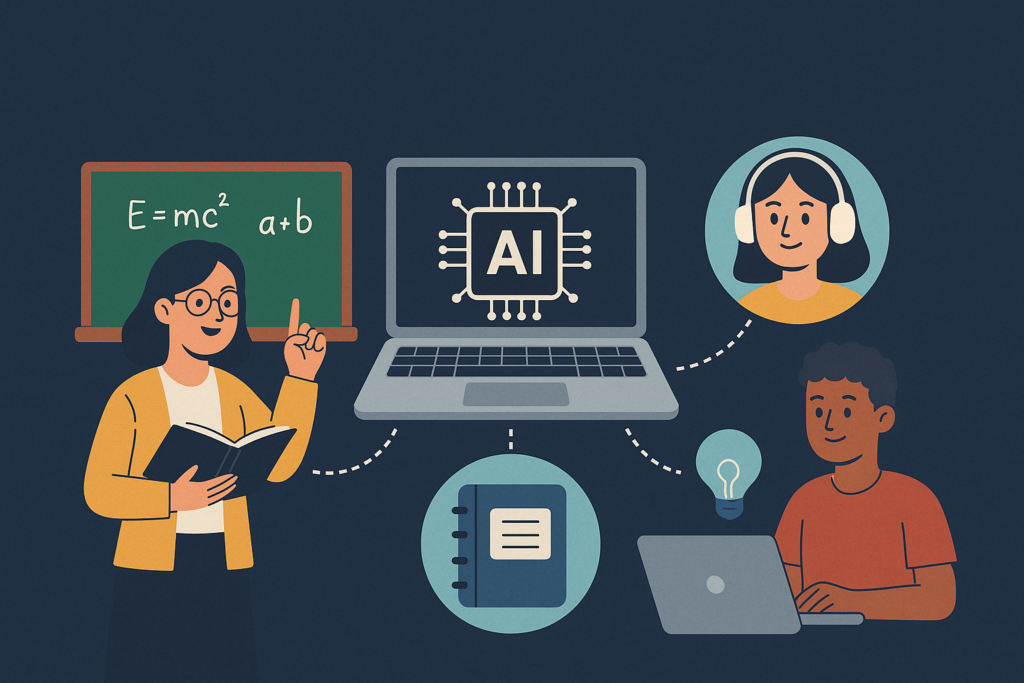
The use of AI in vocational STEM training is redefining traditional learning models. Instead of relying solely on lectures and static course materials, educators are now incorporating intelligent systems that adapt to each learner’s pace and needs. AI-powered platforms can analyze student performance, identify gaps in understanding, and offer tailored exercises or simulations that mimic real-world scenarios.
For example, in fields like robotics, electronics, or automotive technology, AI-driven simulators allow learners to practice troubleshooting and repairs in a virtual environment before working with physical equipment. This not only reduces costs but also minimizes safety risks and maximizes hands-on experience.

Adaptive learning systems also help instructors monitor progress in real time, allowing for immediate feedback and intervention. This approach ensures that no student is left behind, and that advanced learners can move ahead without unnecessary repetition.
Key Benefits of AI-Driven Vocational STEM Programs
The adoption of artificial intelligence in technical education brings several clear advantages:
- Personalized Learning Paths: AI systems assess individual strengths and weaknesses, creating custom learning journeys that keep students engaged and motivated.
- Real-Time Assessment: Automated grading and instant feedback help learners understand mistakes and correct them quickly, leading to better retention.
- Enhanced Practical Skills: Simulations and virtual labs powered by AI allow for repeated practice in a safe, controlled environment, which is especially valuable in fields requiring precision and safety.
- Scalable Training: Institutions can offer high-quality, consistent training to large groups without overburdening instructors.
- Data-Driven Insights: Educators and administrators gain access to analytics that inform curriculum improvements and resource allocation.
These benefits are helping vocational programs produce graduates who are better prepared for the demands of modern workplaces.
Challenges and Considerations for Implementing AI in Technical Education
While the advantages are significant, integrating AI into vocational STEM instruction is not without its challenges. Some of the main considerations include:
- Access and Equity: Not all institutions have the resources to invest in advanced AI tools, which can widen the gap between well-funded and under-resourced schools.
- Teacher Training: Instructors need support and professional development to effectively use AI-powered platforms and interpret the data they generate.
- Data Privacy: Collecting and analyzing student data raises important questions about privacy and security that must be addressed with clear policies and safeguards.
- Curriculum Alignment: AI tools should complement, not replace, hands-on practice with real equipment and materials.
Addressing these challenges requires collaboration between educators, policymakers, and technology providers to ensure that AI enhances, rather than complicates, vocational STEM learning.
Examples of AI Applications in STEM-Focused Vocational Training
The use of artificial intelligence in technical training is already visible in several areas:
- Virtual Reality (VR) and Augmented Reality (AR): AI enhances VR/AR simulations for welding, machining, and electrical work, providing realistic feedback and tracking skill development.
- Automated Tutoring Systems: Intelligent tutors offer step-by-step guidance in coding, electronics assembly, and diagnostics, adapting to each learner’s progress.
- Predictive Analytics: AI analyzes student data to predict which learners may need extra support, allowing for targeted interventions.
- Smart Content Creation: AI tools generate customized quizzes, practice problems, and instructional videos based on course objectives and student needs.
These innovations are making technical education more interactive and relevant to current industry standards. For those interested in blended learning environments, our resource on AI in blended STEM learning covers how artificial intelligence supports hybrid models.
Preparing Students for the Future Workforce with AI
As automation and smart technologies become more prevalent in the workplace, vocational programs must ensure that students are not only proficient in traditional skills but also comfortable working alongside intelligent systems. AI-powered training platforms help bridge this gap by familiarizing learners with the tools and workflows they will encounter on the job.
Employers increasingly value candidates who can adapt to new technologies and solve problems using data-driven approaches. By embedding AI into vocational STEM curricula, educational institutions are equipping students with both technical expertise and digital literacy.
For a global perspective on the role of artificial intelligence in education, UNESCO offers a comprehensive overview in their digital education and AI resource.
Looking Ahead: The Evolving Role of AI in Vocational STEM Training
The future of technical education will likely see even deeper integration of artificial intelligence, with smarter assessment tools, more immersive simulations, and greater personalization. As AI continues to advance, vocational STEM programs will need to remain agile, updating curricula and teaching methods to reflect industry needs and technological capabilities.
Collaboration between educators, employers, and technology developers will be key to ensuring that AI-driven solutions are effective, ethical, and accessible to all learners. By embracing these changes, vocational training can remain a vital pathway to rewarding careers in science, technology, engineering, and mathematics.
Frequently Asked Questions
How does AI personalize vocational STEM learning?
Artificial intelligence analyzes each student’s performance and learning style to deliver tailored content, exercises, and feedback. This ensures that learners receive the support they need to master technical skills at their own pace, improving engagement and outcomes.
What are the main challenges of using AI in technical education?
Key challenges include ensuring equitable access to technology, providing adequate teacher training, protecting student data privacy, and aligning AI tools with hands-on, practical experiences. Overcoming these obstacles requires careful planning and collaboration.
Can AI replace hands-on training in vocational STEM fields?
While AI-powered simulations and virtual labs are valuable for practice and assessment, they are designed to supplement—not replace—real-world, hands-on experience. Practical skills with actual equipment remain essential for workforce readiness.