
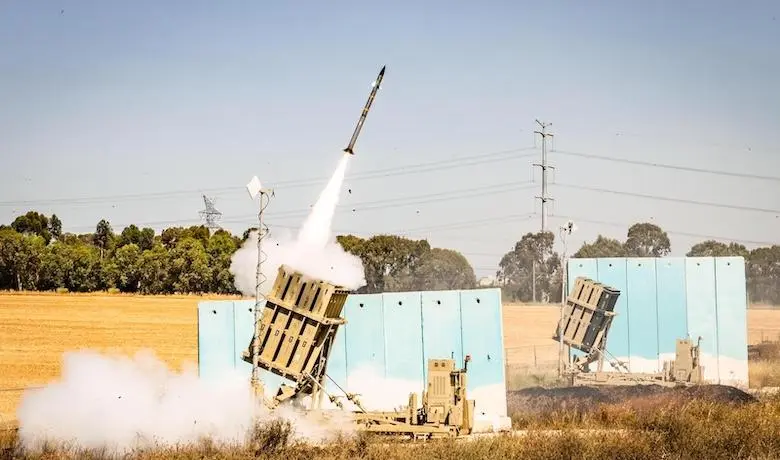
Artificial intelligence is reshaping the landscape of modern defense systems, especially in the critical moments between threat detection and active response. As military and security environments grow more complex, the ability to move seamlessly from identifying a potential threat to taking decisive action is increasingly dependent on advanced algorithms and machine learning. Understanding how AI manages the transition from detection to engagement is essential for grasping the future of automated defense, missile interception, and real-time battlefield decision-making.
Today’s AI-driven platforms can process vast streams of sensor data, recognize patterns, and recommend or execute actions faster than any human operator. This capability is not only about speed—it’s about accuracy, adaptability, and the reduction of human error in high-stakes scenarios. For those interested in the technical side of missile defense, you can learn more about how AI identifies vulnerable points in incoming missiles and how these insights feed into the broader engagement process.
The Role of AI in Threat Detection
The first step in any defense scenario is recognizing a potential threat. AI-powered systems excel at this task by analyzing data from radar, infrared, satellite, and acoustic sensors. These systems use machine learning models trained on millions of data points to distinguish between benign objects and genuine threats, such as incoming missiles or hostile drones.
Unlike traditional detection methods, which rely on fixed rules or manual monitoring, AI systems adapt to new tactics and evolving technologies. They can identify subtle anomalies in flight patterns, heat signatures, or electronic emissions, often detecting threats that would escape human notice. This rapid, adaptive recognition is the foundation for a smooth transition to the next phase: engagement.
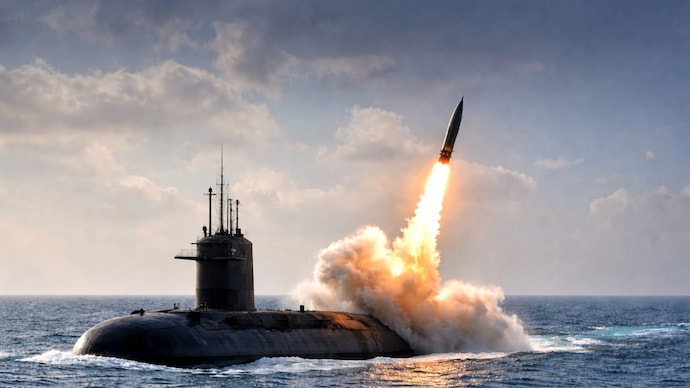
From Identification to Action: AI’s Decision-Making Process
Once a threat is detected, the system must decide how to respond. This is where the transition from detection to engagement becomes critical. AI platforms evaluate the threat’s trajectory, speed, and potential impact, then recommend or initiate countermeasures. This process involves several key steps:
- Classification: Determining the type of threat (e.g., missile, drone, aircraft) and its intent.
- Prioritization: Assessing which threats pose the greatest risk and require immediate action.
- Resource Allocation: Selecting the most effective defensive assets, such as interceptors or electronic countermeasures.
- Engagement Planning: Calculating optimal interception points and timing for maximum effectiveness.
Throughout this process, AI systems can incorporate real-time updates, adapting their recommendations as new data arrives. This agility is especially important in dynamic environments where threats may change course or employ evasive tactics.
Enhancing Engagement with Machine Learning
Machine learning algorithms are at the heart of modern engagement strategies. By continuously learning from past encounters and simulated scenarios, these systems refine their ability to predict threat behavior and optimize response protocols. For example, AI can analyze historical missile flight data to anticipate maneuvers or identify weaknesses in enemy tactics.
This continuous learning loop ensures that the transition from detection to engagement becomes faster and more precise over time. It also allows for the integration of new technologies, such as hypersonic missile tracking or drone swarm interception, without overhauling the entire system.
For a deeper look at the broader benefits of these technologies, see the article on the benefits of AI for theater-level missile defense.
Real-Time Coordination and Human Oversight
While automation is central to modern defense, human operators remain a crucial part of the decision-making chain. AI systems provide recommendations and execute routine responses, but humans oversee critical decisions, especially in ambiguous or high-risk situations. This human-machine teaming ensures accountability and allows for ethical considerations in the use of force.
AI also enhances situational awareness for commanders, providing a comprehensive view of the battlespace and highlighting emerging threats. For more on this topic, explore the impact of AI on real-time situational awareness for commanders.
Challenges in Automating the Transition
Despite its advantages, automating the shift from detection to engagement presents several challenges:
- Data Quality: AI systems are only as good as the data they receive. Incomplete or noisy sensor data can lead to false positives or missed threats.
- Adversarial Tactics: Opponents may use deception or electronic warfare to confuse AI algorithms.
- Ethical and Legal Constraints: Automated engagement must comply with international law and rules of engagement, requiring robust oversight mechanisms.
- System Integration: Legacy platforms may not easily interface with new AI-driven modules, complicating deployment.
Ongoing research and development aim to address these issues, making AI-driven transitions more reliable and resilient.
Future Trends in AI-Powered Engagement
Looking ahead, the integration of AI into defense systems is expected to deepen. Advances in sensor fusion, edge computing, and autonomous platforms will further compress the time between detection and response. AI will also play a larger role in coordinating multi-domain operations, linking air, land, sea, and cyber assets in a unified defense network.
Emerging tools, such as those described in this report on new AI tools for air defense, illustrate how machine learning is being used to counter advanced missiles and drone swarms. These innovations are setting new standards for speed, precision, and adaptability in military engagements.
Integrating AI Across the Engagement Spectrum
AI’s influence extends beyond detection and initial engagement. It also optimizes resource deployment, manages decoy strategies, and supports post-engagement analysis. For example, AI models can determine the best timing and placement for decoy flares, as detailed in the article on how AI optimizes the deployment of decoy flares.
Additionally, AI can analyze the type of fuel used in missile launches, providing valuable intelligence for future engagements. Learn more about this capability in the article on how AI identifies the type of fuel used in a missile launch.
FAQ
How does AI improve the speed of engagement after detecting a threat?
AI systems rapidly process sensor data, classify threats, and recommend or execute responses in real time. This automation reduces the time between detection and action, allowing for faster and more effective defensive measures.
What safeguards exist to ensure ethical use of AI in military engagement?
Human operators oversee AI-driven decisions, especially those involving the use of force. Systems are designed to comply with international law and rules of engagement, with built-in checks to prevent unauthorized or unethical actions.
Can AI adapt to new types of threats or tactics?
Yes, machine learning algorithms continuously learn from new data and past encounters, enabling AI systems to recognize and respond to evolving threats, including novel missile types or drone tactics.
What are the main limitations of current AI-driven defense systems?
Challenges include ensuring high-quality data, countering adversarial tactics, integrating with legacy systems, and maintaining clear human oversight. Ongoing research aims to address these limitations and improve reliability.