

The integration of artificial intelligence into military systems is reshaping the landscape of nuclear command and control. As nations modernize their nuclear arsenals, the adoption of AI-driven technologies brings both opportunities and significant risks. Understanding the impact of AI on nuclear command and control security is crucial for policymakers, defense analysts, and the broader public concerned about global stability.
AI promises faster data processing, improved threat detection, and enhanced decision support. However, these benefits come with complex challenges, such as increased vulnerability to cyberattacks, algorithmic errors, and the potential for unintended escalation. This article explores how AI is influencing nuclear command structures, the associated risks, and the steps being taken to ensure safe and reliable operations.
For a deeper look at how AI enhances missile defense, see benefits of AI for theater-level missile defense.
How AI Is Transforming Nuclear Command and Control
The adoption of AI in nuclear command and control systems is driven by the need for speed and accuracy in decision-making. Traditional systems rely on human operators to interpret sensor data, assess threats, and authorize responses. With AI, these processes can be automated or augmented, allowing for quicker analysis of vast amounts of information from satellites, radar, and other sensors.
Machine learning algorithms can identify patterns and anomalies in real time, supporting early warning and threat assessment. AI-powered decision support tools can recommend courses of action based on simulations and historical data, reducing the cognitive burden on human commanders. This capability is especially valuable in high-pressure scenarios where minutes or even seconds matter.
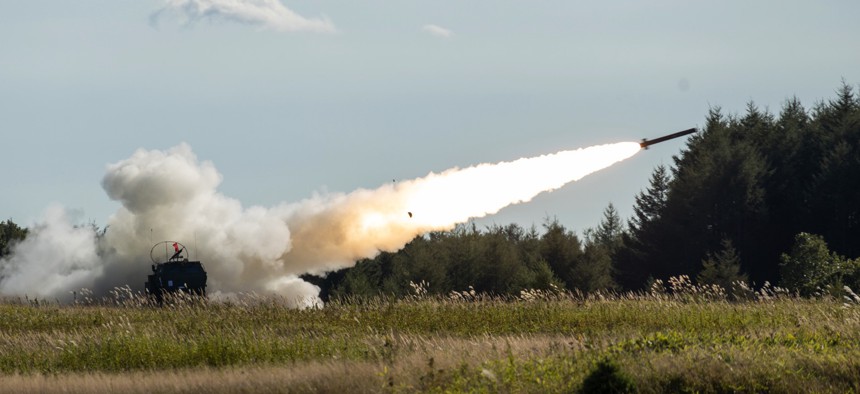
Despite these advances, the integration of AI into nuclear command systems is not without controversy. The risk of over-reliance on automated systems and the possibility of adversarial manipulation raise concerns about the reliability and security of these critical infrastructures.
Opportunities and Benefits of AI in Nuclear Security
AI offers several advantages for nuclear command and control, including:
- Enhanced situational awareness: AI can process and fuse data from multiple sources, providing a comprehensive picture of the battlespace.
- Faster threat detection: Automated systems can identify missile launches or other threats more quickly than human operators alone.
- Improved decision support: AI-driven models can simulate potential outcomes, helping commanders make informed choices under pressure.
- Reduced human error: By automating routine tasks, AI can minimize mistakes caused by fatigue or stress.
These benefits have led to increased interest in AI-enabled early warning systems, automated launch protocols, and resilient communication networks. For example, AI can help identify vulnerabilities in incoming missiles, as discussed in how AI identifies vulnerable points in incoming missiles.
Risks and Challenges: AI Vulnerabilities in Nuclear Command Systems
While AI brings clear benefits, it also introduces new risks to nuclear command and control security. Some of the most pressing concerns include:
- Cybersecurity threats: AI systems are susceptible to hacking, data poisoning, and adversarial attacks, which could compromise critical decision-making processes.
- Algorithmic bias and errors: Machine learning models can make mistakes or reflect biases present in their training data, leading to false alarms or missed threats.
- Loss of human oversight: Increased automation may reduce opportunities for human intervention, increasing the risk of unintended escalation or accidental launches.
- Ambiguity in accountability: When decisions are made by algorithms, it can be difficult to assign responsibility for errors or accidents.
These challenges underscore the importance of maintaining robust human oversight and implementing rigorous testing and validation protocols for AI systems in nuclear contexts.

Escalation Risks and the Speed of Conflict
One of the most significant implications of AI in nuclear command and control is the acceleration of decision cycles. Automated systems can process information and recommend actions much faster than humans, potentially compressing the time available for deliberation and diplomacy. This speed can be a double-edged sword: while it may improve response times, it also increases the risk of rapid escalation in a crisis.
Recent conflicts have demonstrated how AI-powered systems can enable military operations that move “quicker than the speed of thought.” For more on this trend, see how AI-powered warfare is changing the pace of conflict. In the nuclear domain, this could mean less time for verification, consultation, and de-escalation, raising the stakes for all parties involved.
Safeguards and Policy Considerations for AI in Nuclear Command
To address the risks associated with AI in nuclear command and control, governments and international organizations are developing new safeguards and best practices. Key measures include:
- Maintaining human-in-the-loop protocols to ensure that critical launch decisions always require human authorization.
- Rigorous testing and validation of AI algorithms to minimize errors and unintended consequences.
- Redundancy and fail-safes to prevent single points of failure in automated systems.
- International cooperation on norms and agreements to prevent the destabilizing use of AI in nuclear operations.
Ongoing research is also exploring how AI can be used to optimize defensive measures, such as the deployment of decoy flares, as detailed in how AI optimizes the deployment of decoy flares.
Looking Ahead: The Future of AI and Nuclear Security
The evolution of AI technologies will continue to shape the future of nuclear command and control. As capabilities advance, so too will the complexity of managing the risks and benefits. Policymakers must balance the desire for technological superiority with the imperative to maintain strategic stability and prevent unintended escalation.
Continued investment in research, transparency, and international dialogue will be essential to ensure that AI enhances, rather than undermines, the safety and security of nuclear arsenals. For further insights into the transition from detection to engagement using AI, see how AI manages the transition from detection to engagement.
Frequently Asked Questions
How does AI improve threat detection in nuclear command systems?
AI algorithms can analyze large volumes of sensor data in real time, identifying patterns and anomalies that may indicate missile launches or other threats. This enables faster and more accurate detection, giving decision-makers more time to respond effectively.
What are the main risks of using AI in nuclear command and control?
The primary risks include cybersecurity vulnerabilities, algorithmic errors, loss of human oversight, and the potential for rapid escalation. Ensuring robust safeguards and maintaining human control over critical decisions are essential to mitigate these risks.
Can AI make nuclear command systems completely autonomous?
While AI can automate many aspects of data analysis and decision support, most experts agree that full autonomy is too risky for nuclear command systems. Human oversight remains a critical safeguard to prevent accidental or unauthorized use of nuclear weapons.