
Manufacturing environments present a unique set of safety challenges. Heavy machinery, repetitive tasks, and fast-paced workflows can increase the risk of accidents and injuries. As the industry evolves, companies are turning to artificial intelligence to address these risks more proactively and efficiently. Understanding how AI helps in worker safety is essential for organizations aiming to protect their workforce while maintaining productivity.
AI-driven technologies are transforming the way manufacturers identify hazards, monitor compliance, and respond to incidents. By leveraging real-time data and advanced analytics, these solutions enable safer workplaces and smarter decision-making. For those interested in broader applications of artificial intelligence, exploring topics like how AI manages the transition from detection to engagement can provide additional insights into the technology’s potential.
AI-Powered Hazard Detection and Prevention
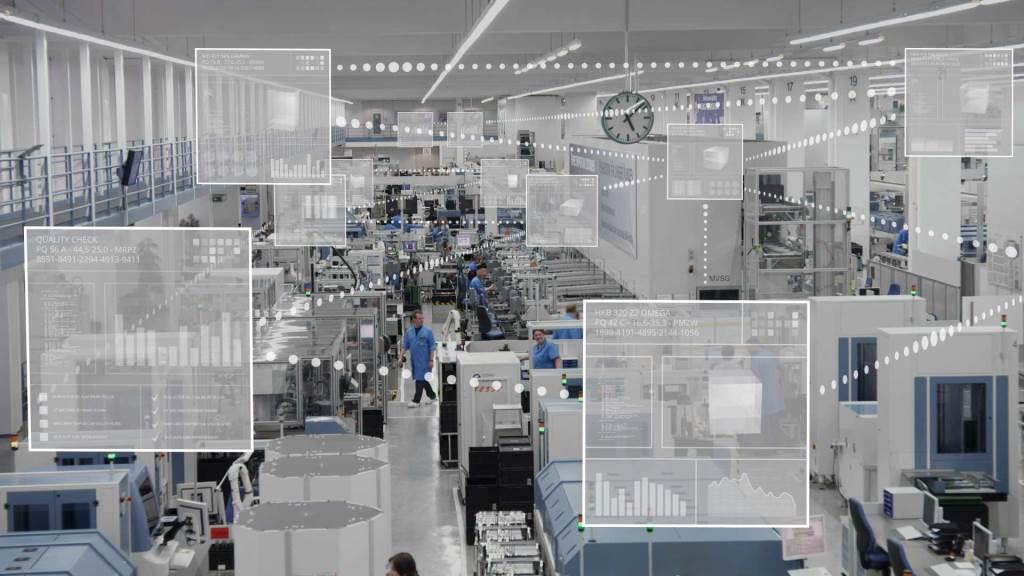
One of the most significant contributions of artificial intelligence in manufacturing is its ability to detect hazards before they lead to accidents. Advanced computer vision systems, powered by AI algorithms, can analyze video feeds from cameras placed throughout the factory floor. These systems are trained to recognize unsafe behaviors, such as workers entering restricted zones, improper use of protective equipment, or unsafe machine operation.
When a potential risk is detected, the AI system can instantly alert supervisors or even trigger automated safety protocols. This proactive approach reduces response times and helps prevent injuries. By continuously learning from new data, these systems become more accurate over time, adapting to the unique conditions of each facility.
Real-Time Monitoring for Safer Work Environments
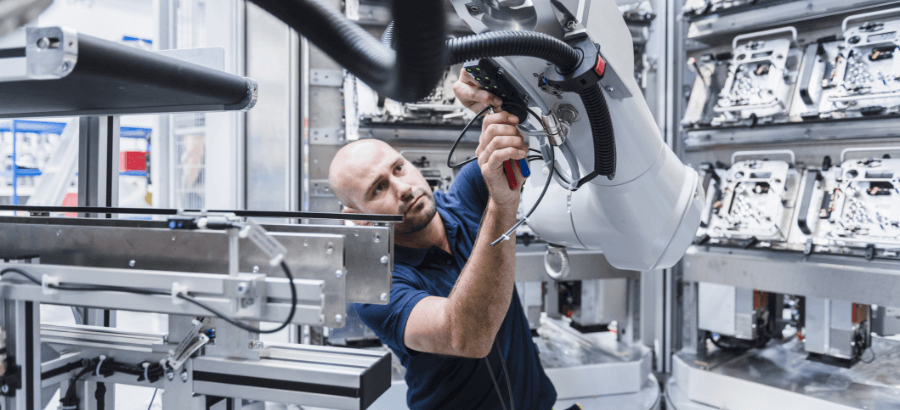
Continuous monitoring is crucial for maintaining safety in dynamic manufacturing settings. AI systems can process data from a variety of sources, including IoT sensors, wearable devices, and environmental monitors. These technologies track factors such as temperature, air quality, noise levels, and worker location, providing a comprehensive view of workplace conditions.
For example, AI-powered wearables can detect signs of worker fatigue or exposure to hazardous substances. If a dangerous threshold is reached, the system can send immediate alerts, allowing for quick intervention. This level of real-time oversight not only protects employees but also helps organizations comply with regulatory standards.
Predictive Analytics and Risk Assessment
Beyond immediate hazard detection, artificial intelligence excels at analyzing historical data to predict future risks. By examining patterns in incident reports, maintenance logs, and production data, AI models can identify trends that might indicate emerging safety issues. This predictive capability enables manufacturers to take preventive action, such as scheduling equipment maintenance or updating safety protocols before problems arise.
Predictive analytics also support more effective training programs. By pinpointing common sources of accidents, organizations can tailor their safety education to address specific risks, leading to a more informed and vigilant workforce.
Enhancing Compliance and Reporting with AI
Maintaining compliance with occupational health and safety regulations is a complex task, especially for large manufacturing operations. AI streamlines this process by automating documentation, tracking compliance metrics, and generating detailed reports. These systems can monitor whether workers are wearing required safety gear or following established protocols, reducing the administrative burden on safety managers.
Automated reporting not only saves time but also ensures accuracy and consistency. In the event of an incident, having comprehensive, AI-generated records can simplify investigations and support regulatory compliance.
Integrating AI with Human Expertise
While artificial intelligence brings powerful new tools to the table, it is most effective when combined with human judgment and experience. Safety managers and frontline workers play a critical role in interpreting AI-generated insights and making informed decisions. By fostering collaboration between humans and machines, manufacturers can create a culture of safety that leverages the strengths of both.
Training programs that teach employees how to interact with AI systems and interpret alerts are essential for successful implementation. When workers understand the benefits and limitations of these technologies, they are more likely to embrace them as valuable allies in maintaining a safe workplace.
Industry Examples and Future Outlook
Many manufacturers have already seen tangible benefits from adopting AI-powered safety solutions. For instance, some automotive plants use computer vision to monitor assembly lines for unsafe practices, while electronics manufacturers employ predictive analytics to schedule equipment maintenance and prevent breakdowns.
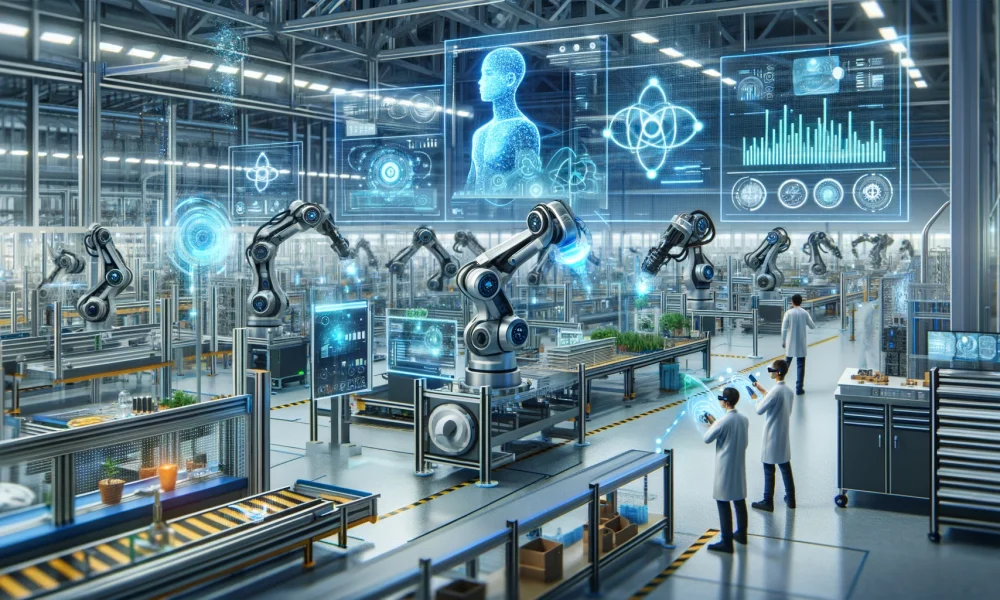
As artificial intelligence continues to advance, its role in workplace safety will only grow. Emerging technologies such as collaborative robots (cobots), augmented reality, and advanced analytics are poised to further reduce risks and enhance productivity. For a broader perspective on the impact of AI in industrial settings, resources like the role of AI in manufacturing industry offer valuable context.
Challenges and Considerations in AI-Driven Safety
Despite its promise, implementing AI for safety in manufacturing is not without challenges. Data privacy, system integration, and the need for ongoing maintenance are important considerations. Organizations must ensure that AI systems are transparent, reliable, and secure. Additionally, fostering trust among workers is essential, as some may be wary of increased monitoring or automation.
Regular audits, clear communication, and involving employees in the adoption process can help address these concerns. By prioritizing both technological innovation and human factors, manufacturers can maximize the benefits of AI-driven safety initiatives.
FAQ: AI and Worker Safety in Manufacturing
How does AI detect unsafe conditions on the factory floor?
AI systems use computer vision, sensor data, and machine learning algorithms to monitor the environment and worker behavior. They can identify hazards such as unauthorized access, improper use of equipment, or environmental risks, and trigger alerts or automated responses to prevent accidents.
Can AI predict future safety risks in manufacturing?
Yes. By analyzing historical incident data, maintenance records, and production trends, AI can identify patterns that may indicate emerging risks. This allows organizations to take preventive measures, such as updating safety protocols or scheduling maintenance, before accidents occur.
What are the main benefits of using AI for workplace safety?
Key advantages include real-time hazard detection, continuous monitoring, predictive analytics, streamlined compliance reporting, and improved training. These benefits help reduce accidents, ensure regulatory compliance, and create a safer work environment for employees.