
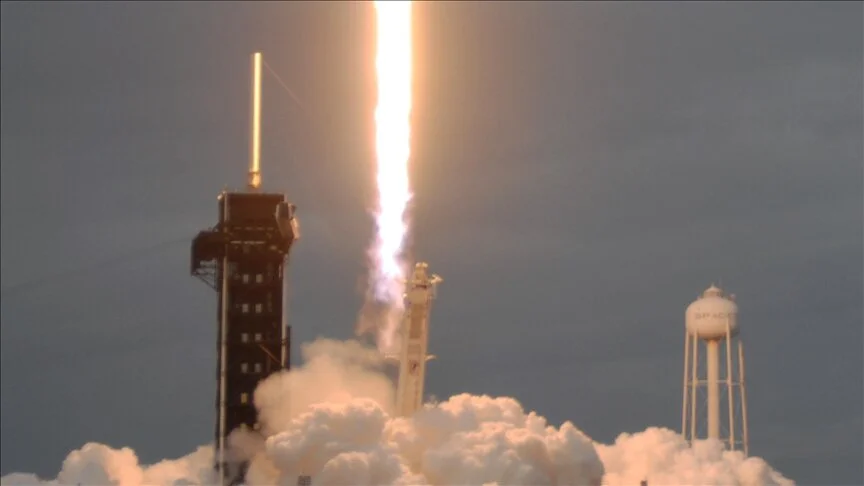
Modern air defense and countermeasure systems face increasingly complex threats from advanced missiles and guided munitions. As adversaries develop more sophisticated targeting and guidance technologies, defending aircraft and critical assets requires smarter, faster, and more adaptive countermeasures. One area where artificial intelligence is making a significant impact is in how AI optimizes the deployment of decoy flares. By leveraging machine learning and real-time data analysis, these systems can outmaneuver threats more effectively than ever before.
This article explores the evolving landscape of AI-driven decoy flare deployment, examining the core principles, benefits, and challenges of integrating intelligent algorithms into defensive operations. We’ll also highlight related advances in AI-powered missile defense, such as how ai improves the accuracy of midcourse intercepts, to provide a broader context for these innovations.
Understanding Decoy Flares and Their Role in Defense
Decoy flares are heat-emitting countermeasures designed to mislead infrared-guided missiles. When deployed, these flares create intense heat signatures that attract incoming threats away from their intended targets, such as aircraft or vehicles. Traditionally, the release of flares has relied on pre-programmed sequences or pilot-initiated actions, often based on threat detection sensors and standard operating procedures.
However, as missile seekers become more agile and capable of distinguishing between real and false targets, the need for smarter, adaptive deployment strategies has grown. This is where artificial intelligence steps in, transforming static countermeasure tactics into dynamic, context-aware responses.
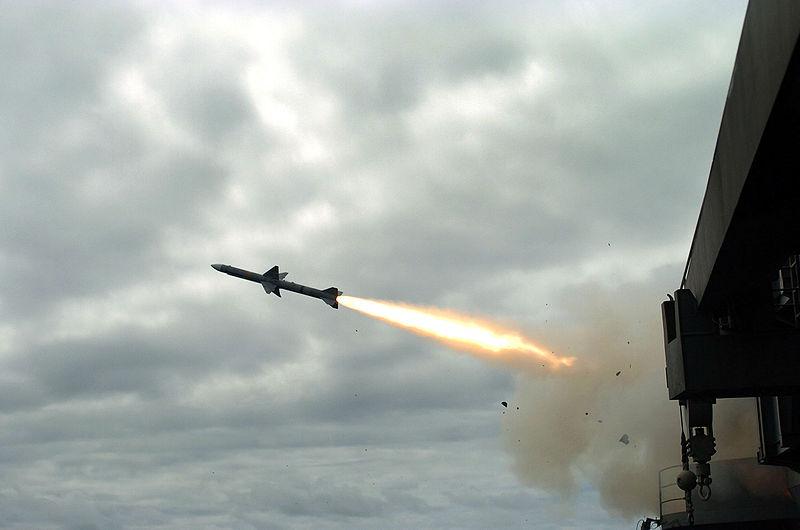
How AI Optimizes the Deployment of Decoy Flares
The integration of artificial intelligence into flare deployment systems marks a significant leap forward in defensive capabilities. Here’s how intelligent algorithms enhance the effectiveness of decoy flares:
- Real-Time Threat Assessment: AI models process sensor data from radar, infrared, and other detection systems to identify and classify incoming threats. By analyzing speed, trajectory, and seeker type, the system can determine the optimal timing and pattern for flare release.
- Adaptive Response: Unlike fixed countermeasure routines, AI-driven systems adjust deployment strategies on the fly. For example, if a missile changes course or employs counter-countermeasures, the AI can modify flare patterns to maintain the deception.
- Resource Optimization: Intelligent algorithms help conserve limited flare supplies by deploying only as many as needed, reducing waste and ensuring availability for multiple engagements.
- Learning from Engagements: Machine learning models can analyze past encounters to refine future responses, continuously improving performance against evolving threats.
These advances not only improve survivability but also reduce the cognitive load on pilots and operators, allowing them to focus on mission objectives while the AI manages defensive actions.
Key Technologies Behind AI-Driven Flare Deployment
Several technological advancements enable the intelligent deployment of decoy flares:
- Sensor Fusion: Combining data from multiple sensors (radar, IR, UV) provides a comprehensive picture of the threat environment, allowing AI models to make more accurate decisions.
- Predictive Analytics: By forecasting missile trajectories and likely seeker behaviors, AI can anticipate the best moments and locations for flare release.
- Reinforcement Learning: Some systems use reinforcement learning, where algorithms are trained through simulated engagements to maximize the probability of successfully diverting threats.
- Edge Computing: Deploying AI models on embedded hardware ensures rapid processing and response times, which are critical in high-speed engagements.
These technologies are often developed in tandem with other AI-powered defense tools, such as those improving situational awareness or enhancing interceptor accuracy.
Benefits of AI-Enhanced Countermeasure Systems
The application of artificial intelligence to decoy flare deployment brings several key advantages:
- Increased Effectiveness: Adaptive strategies are more likely to fool advanced missile seekers, improving the chances of survival for aircraft and assets.
- Reduced Human Error: Automating complex defensive actions minimizes the risk of delayed or incorrect responses under stress.
- Operational Efficiency: Smarter use of countermeasures extends mission endurance and reduces logistical burdens.
- Continuous Improvement: AI systems can learn from every engagement, adapting to new threats and tactics over time.
For a broader look at how AI is transforming defense infrastructure, see how ai improves the survivability of defense infrastructure.
Challenges and Considerations in Intelligent Flare Deployment
While the benefits are clear, implementing AI-driven countermeasure systems also presents several challenges:
- Data Quality and Availability: Effective AI models require large volumes of high-quality data from sensors and past engagements. Gaps or inaccuracies can reduce system reliability.
- Adversarial Adaptation: As AI becomes more prevalent, adversaries may develop new tactics to counter or deceive intelligent flare deployment systems.
- Integration with Legacy Systems: Upgrading existing platforms to support AI capabilities can be complex and costly, particularly for older aircraft or vehicles.
- Cybersecurity Risks: Increased connectivity and reliance on software introduce new vulnerabilities that must be managed to prevent exploitation.
Despite these hurdles, ongoing research and development continue to advance the field. For example, recent innovations in AI-powered air defense tools are pushing the boundaries of what’s possible in both offensive and defensive operations.
Future Directions for AI in Countermeasure Deployment
Looking ahead, the role of artificial intelligence in defensive countermeasures is set to expand even further. Key trends include:
- Integration with Other Countermeasures: AI will increasingly coordinate flares with chaff, electronic warfare, and maneuvering tactics to create multi-layered defenses.
- Autonomous Platforms: Unmanned systems and drones will leverage AI to protect themselves and manned assets, responding to threats independently.
- Collaborative Defense Networks: Sharing threat data and countermeasure strategies across multiple platforms will enable more effective, coordinated responses.
- Continuous Learning: As AI models are exposed to more real-world data, their ability to predict and counter new types of threats will improve.
For those interested in related applications, exploring the impact of ai on real-time situational awareness for commanders reveals how these technologies are shaping decision-making at every level.
FAQ
How does artificial intelligence determine the optimal timing for flare deployment?
AI systems analyze incoming threat data in real time, considering factors such as missile type, speed, trajectory, and seeker technology. By processing this information, the algorithms calculate the best moment and pattern to release decoy flares, maximizing the chances of diverting the threat.
What are the main benefits of using AI for decoy flare deployment?
The primary advantages include increased effectiveness against advanced missile seekers, reduced human error, more efficient use of limited countermeasure resources, and the ability to learn from each engagement to improve future performance.
Are there risks associated with AI-powered countermeasure systems?
Yes, challenges include ensuring high-quality sensor data, protecting systems from cyber threats, integrating with existing platforms, and staying ahead of adversaries who may develop tactics to counter AI-driven defenses. Ongoing research and robust cybersecurity measures are essential to address these concerns.