
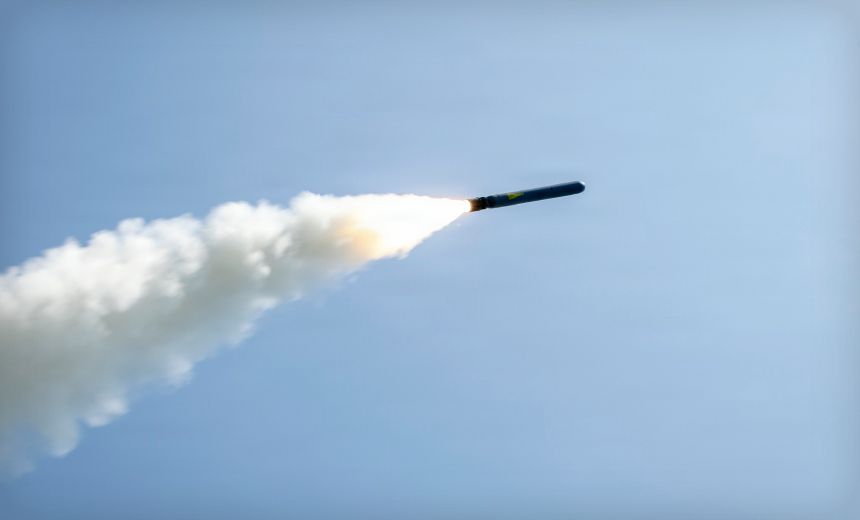
As missile threats continue to evolve, defense systems must keep pace with increasingly sophisticated detection and response technologies. One area that has seen significant advancement is the use of machine learning in acoustic missile detection. By leveraging advanced algorithms, military and security organizations can now identify, classify, and track threats more accurately and quickly than ever before. Understanding what is the role of machine learning in acoustic missile detection is essential for anyone interested in the intersection of artificial intelligence and modern defense strategies.
Acoustic missile detection relies on analyzing sound signatures produced by missiles during launch, flight, and impact. Traditional detection systems often struggle with noisy environments, false alarms, and rapidly changing threat profiles. Machine learning offers a way to overcome these challenges by enabling systems to learn from data, adapt to new threats, and improve their accuracy over time.
For those interested in related applications of artificial intelligence in defense, you may also want to explore how AI improves the accuracy of midcourse intercepts and other advanced uses of AI in missile defense systems.
How Machine Learning Enhances Acoustic Detection Capabilities
Integrating machine learning into acoustic missile detection systems brings several key benefits. Unlike rule-based systems that rely on fixed thresholds and manually crafted rules, machine learning models can process vast amounts of acoustic data and identify subtle patterns that may indicate a missile launch or flight. This adaptability is crucial in real-world environments where background noise, weather, and other variables can affect detection accuracy.
Some of the main ways machine learning improves acoustic detection include:
- Noise Reduction: Algorithms can filter out irrelevant sounds, such as wind or vehicle noise, allowing the system to focus on missile-specific signatures.
- Pattern Recognition: Deep learning models can identify unique acoustic fingerprints associated with different missile types, improving classification accuracy.
- Real-Time Processing: Machine learning enables rapid analysis of incoming data, supporting faster threat response and decision-making.
- Continuous Learning: As new data is collected, models can be retrained to recognize emerging threats and adapt to evolving tactics.
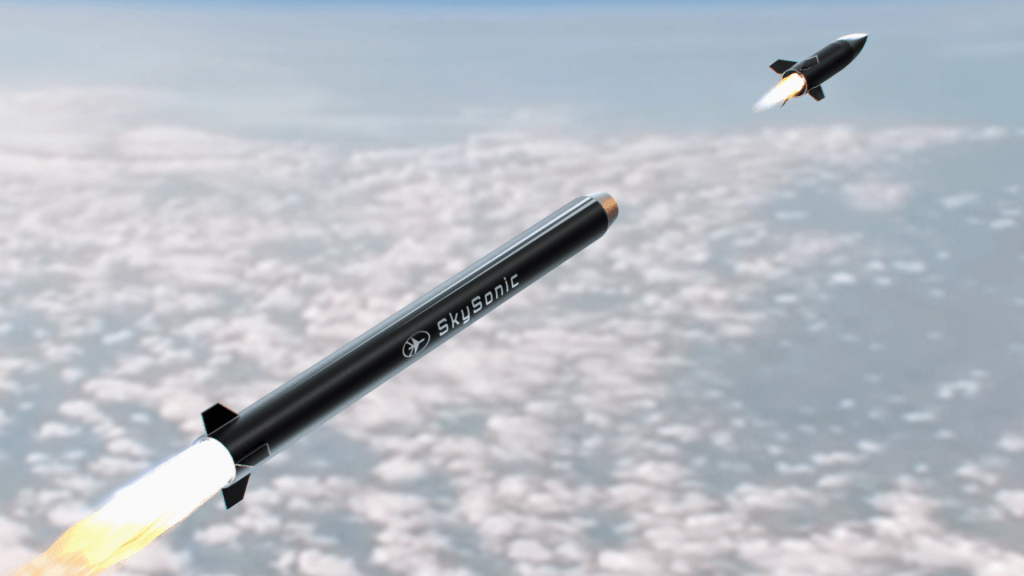
Key Components of Machine Learning-Based Acoustic Detection
To fully appreciate what is the role of machine learning in acoustic missile detection, it helps to break down the core components involved in these systems:
-
Data Collection:
Microphones and sensor arrays are deployed to capture acoustic signals from the environment. These sensors must be sensitive enough to detect missile launches at varying distances and under different conditions.
-
Preprocessing:
Raw audio data is cleaned and transformed to remove noise and enhance relevant features. Techniques such as filtering, normalization, and feature extraction are commonly used.
-
Model Training:
Machine learning models, such as convolutional neural networks (CNNs) or recurrent neural networks (RNNs), are trained on labeled datasets containing examples of missile and non-missile sounds. The models learn to distinguish between different types of acoustic events.
-
Detection and Classification:
Once trained, the models analyze incoming acoustic data in real time, flagging potential missile launches and providing classification information (e.g., missile type, trajectory).
-
System Integration:
Detection outputs are integrated with broader defense networks, enabling coordinated responses and alerting relevant personnel or automated systems.
Challenges in Acoustic Missile Detection and How AI Helps
While the integration of machine learning offers significant advantages, there are also challenges to consider. Acoustic environments are often unpredictable, with high levels of background noise and potential for interference. Additionally, adversaries may attempt to mask missile launches or use decoys to confuse detection systems.
Machine learning addresses these challenges by:
- Improving Signal-to-Noise Ratio: Advanced algorithms can isolate missile signatures even in cluttered environments.
- Reducing False Alarms: By learning from real-world data, models become better at distinguishing between genuine threats and harmless events.
- Adapting to New Threats: Continuous learning allows systems to evolve as adversaries change their tactics or introduce new missile technologies.
For a broader perspective on how artificial intelligence is transforming missile defense, the article on missile developments in the AI era provides valuable insights into current trends and future directions.
Applications Beyond Missile Detection
The same machine learning techniques used in acoustic missile detection are also being applied to other areas of defense and security. For example, AI-driven acoustic analysis is used for submarine detection, drone identification, and even monitoring unauthorized aircraft. These applications benefit from the same strengths: adaptability, speed, and the ability to process large volumes of data in real time.
In addition, integrating acoustic detection with other sensor modalities—such as radar, infrared, and satellite imagery—creates a more robust and resilient defense network. This multi-sensor approach enhances situational awareness and reduces the likelihood of missed threats.
For those interested in how AI is further improving defense infrastructure, the article on how AI improves the survivability of defense infrastructure explores these advancements in greater detail.
Future Trends in AI-Driven Missile Detection
Looking ahead, the role of machine learning in acoustic missile detection is expected to grow as new algorithms, larger datasets, and more powerful computing resources become available. Some emerging trends include:
- Edge Computing: Deploying AI models directly on sensor hardware for faster, decentralized detection and reduced latency.
- Collaborative Networks: Sharing detection data across multiple platforms and agencies to create a unified defense picture.
- Explainable AI: Developing models that provide transparent reasoning for their decisions, increasing trust and enabling better human oversight.
- Integration with Autonomous Systems: Linking detection outputs to automated response platforms, such as interceptor missiles or countermeasures.
As these technologies mature, the effectiveness and reliability of acoustic missile detection will continue to improve, helping to protect critical assets and populations from evolving threats.
FAQ: Machine Learning and Acoustic Missile Detection
How does machine learning improve the accuracy of acoustic missile detection?
Machine learning models can analyze complex acoustic patterns and distinguish missile sounds from background noise more effectively than traditional systems. This results in fewer false alarms and faster, more reliable detection of genuine threats.
What types of machine learning algorithms are used in acoustic detection systems?
Commonly used algorithms include convolutional neural networks (CNNs) for pattern recognition, recurrent neural networks (RNNs) for sequential data analysis, and ensemble methods that combine multiple models for improved accuracy.
Can machine learning-based systems adapt to new missile types or tactics?
Yes, one of the main advantages of machine learning is its ability to learn from new data. As new missile types or tactics emerge, the models can be retrained to recognize updated acoustic signatures and maintain high detection performance.
Are there limitations to using machine learning in acoustic missile detection?
While machine learning offers significant benefits, it also requires large, high-quality datasets for training, and there can be challenges with explainability and robustness in highly variable environments. Ongoing research aims to address these limitations.
Conclusion
The integration of machine learning into acoustic missile detection systems represents a major leap forward in defense technology. By enabling systems to learn, adapt, and respond to new threats, these advanced algorithms are helping to safeguard military assets and civilian populations alike. As research and development continue, we can expect even greater improvements in detection accuracy, speed, and resilience, solidifying the importance of artificial intelligence in modern defense strategies.