

Modern defense systems face increasingly complex threats, from advanced missile technology to sophisticated cyberattacks. As these dangers evolve, so must the strategies and technologies used to protect critical assets. One of the most significant advancements in recent years is the integration of artificial intelligence into military infrastructure. Understanding how AI improves the survivability of defense infrastructure is essential for defense planners, engineers, and policymakers seeking to maintain operational readiness and resilience in the face of emerging challenges.
AI-driven solutions are transforming the way military installations detect, respond to, and recover from attacks. By leveraging machine learning, real-time data analysis, and predictive algorithms, defense organizations can anticipate threats, optimize resource allocation, and enhance the physical and digital protection of vital systems. This article explores the core ways AI is reshaping survivability, highlights current applications, and examines the future potential of intelligent defense infrastructure.
For those interested in related advancements, see how AI identifies the type of fuel used in a missile launch to further understand the growing role of intelligent systems in defense analytics.
AI-Driven Threat Detection and Early Warning
One of the most critical aspects of how AI improves the survivability of defense infrastructure is its ability to enhance threat detection. Traditional monitoring systems often struggle with the sheer volume and complexity of modern data streams. AI algorithms, however, can process vast amounts of sensor, satellite, and communication data in real time, identifying patterns that signal potential threats.
For example, AI-powered surveillance platforms can distinguish between routine activity and suspicious movements near sensitive facilities. Machine learning models are trained to recognize anomalies—such as unexpected vehicle routes, drone flights, or changes in electromagnetic signatures—that may indicate an impending attack or reconnaissance effort. This enables defense teams to receive early warnings and respond proactively, rather than reactively.
Moreover, AI can fuse data from multiple sources, including radar, infrared, and acoustic sensors, to provide a comprehensive situational picture. This multi-modal analysis significantly reduces false alarms and ensures that genuine threats are prioritized for immediate action.
Enhancing Infrastructure Resilience with Predictive Analytics
Beyond detection, AI is instrumental in predicting and mitigating the effects of attacks or natural disasters. Predictive analytics use historical data, environmental factors, and real-time inputs to forecast potential vulnerabilities in defense infrastructure. By simulating various attack scenarios, AI models help planners identify weak points and prioritize upgrades or reinforcements.
For instance, AI can analyze the structural integrity of bunkers, command centers, and communication nodes under different stress conditions—such as missile strikes, cyber intrusions, or electromagnetic pulses. This allows for targeted investments in fortification, redundancy, and rapid repair capabilities, ensuring that critical functions remain operational even under duress.
Additionally, AI-driven maintenance systems monitor the health of infrastructure components, predicting equipment failures before they occur. This proactive approach reduces downtime and ensures that backup systems are ready when needed. The result is a more resilient defense posture, capable of withstanding both physical and digital assaults.
Optimizing Response and Recovery Operations
When an incident does occur, the speed and effectiveness of the response are crucial to minimizing damage and restoring operations. AI supports defense teams by automating decision-making processes, allocating resources, and coordinating recovery efforts.
For example, intelligent command-and-control platforms can instantly analyze the scope of an attack, recommend optimal evacuation routes, and dispatch emergency teams to the most affected areas. AI-powered logistics systems ensure that supplies, medical aid, and repair crews are deployed efficiently, reducing response times and improving outcomes for personnel and equipment.
Furthermore, AI can assist in post-incident analysis, identifying lessons learned and updating protocols to prevent similar events in the future. This continuous improvement cycle strengthens the overall survivability of defense infrastructure over time.
Integrating AI with Ballistic Missile Defense Systems
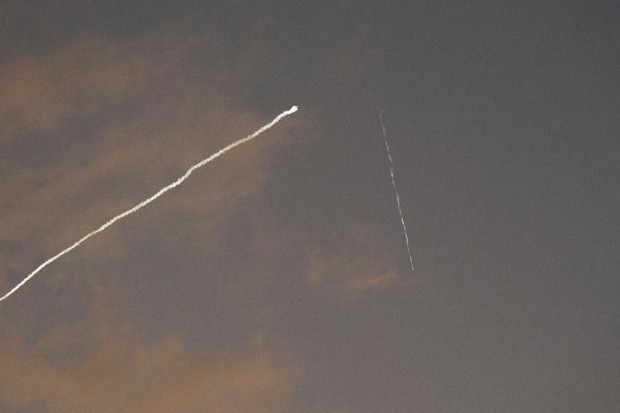
Missile threats remain a top concern for military planners worldwide. AI is increasingly integrated into ballistic missile defense systems to improve detection, tracking, and interception rates. By analyzing radar and satellite data, AI can quickly identify launch signatures, predict trajectories, and recommend the best countermeasures.
Advanced algorithms also help optimize the deployment of interceptors and decoys, increasing the likelihood of neutralizing incoming threats. For a deeper look at related technologies, explore the latest in ballistic missile detection technologies for defense systems.
AI’s ability to process and interpret vast datasets in real time means that defense systems can adapt to new missile types and tactics faster than ever before. This adaptability is a key factor in maintaining the survivability of critical infrastructure in high-threat environments.
AI-Enabled Cyber Defense for Military Networks
As military operations become more digitized, cyber threats pose a growing risk to infrastructure survivability. AI is at the forefront of defending against these attacks by continuously monitoring network traffic, detecting anomalies, and responding to intrusions in milliseconds.
Machine learning models can identify previously unknown malware, phishing attempts, and insider threats by recognizing subtle deviations from normal behavior. Automated response systems can isolate compromised segments, reroute communications, and initiate recovery protocols without waiting for human intervention.
This rapid, intelligent defense is essential for protecting command centers, weapons systems, and communication networks from disruption. To learn more about anomaly detection, see how AI detects subtle anomalies in sensor telemetry and supports robust cyber defense strategies.
Coordinating Multi-Domain Defense with AI
Modern conflicts often span multiple domains—land, sea, air, space, and cyberspace. AI excels at integrating data and operations across these domains, providing commanders with a unified view of the battlespace. This holistic approach enables faster, more informed decision-making and ensures that resources are allocated where they are needed most.
For example, AI can synchronize air and missile defense systems, improving coordination and reducing the risk of gaps in coverage. To understand the impact of this integration, review the ways AI improves coordination between air and missile defense for enhanced infrastructure protection.
By breaking down silos and enabling seamless communication between different defense assets, AI strengthens the overall survivability of military installations and networks.
Challenges and Considerations in AI Adoption
While the benefits of AI in defense infrastructure are substantial, there are also challenges to consider. Ensuring data security, maintaining transparency in AI decision-making, and preventing adversarial manipulation of algorithms are ongoing concerns. Additionally, integrating AI with legacy systems and training personnel to work alongside intelligent technologies require careful planning and investment.
Despite these hurdles, the momentum behind AI adoption in defense is strong. As research and development continue, expect to see even more sophisticated applications that further enhance the resilience and adaptability of critical infrastructure.
FAQ: AI and Defense Infrastructure Survivability
How does AI help detect threats to military infrastructure?
AI processes large volumes of sensor and surveillance data, identifying patterns and anomalies that may indicate potential threats. This enables earlier detection and more accurate threat assessment compared to traditional monitoring methods.
Can AI improve the response time during an attack?
Yes, AI automates decision-making and resource allocation, allowing defense teams to respond rapidly to incidents. Intelligent systems can recommend evacuation routes, deploy emergency teams, and coordinate logistics in real time.
What role does AI play in cyber defense for military networks?
AI continuously monitors network traffic, detects unusual activity, and responds to cyberattacks automatically. This helps protect critical systems from disruption and supports swift recovery after an incident.
Are there risks associated with using AI in defense infrastructure?
There are challenges such as ensuring algorithm transparency, securing data, and preventing adversarial attacks on AI systems. However, ongoing research and robust security protocols are addressing these concerns to maximize the benefits of AI integration.
Conclusion
The integration of artificial intelligence into military infrastructure is reshaping how nations defend their most valuable assets. By enhancing threat detection, predicting vulnerabilities, optimizing response, and strengthening cyber defenses, AI is a cornerstone of modern survivability strategies. As technology continues to advance, defense organizations that embrace AI-driven solutions will be better equipped to protect their infrastructure and maintain operational superiority in an increasingly complex security landscape.