
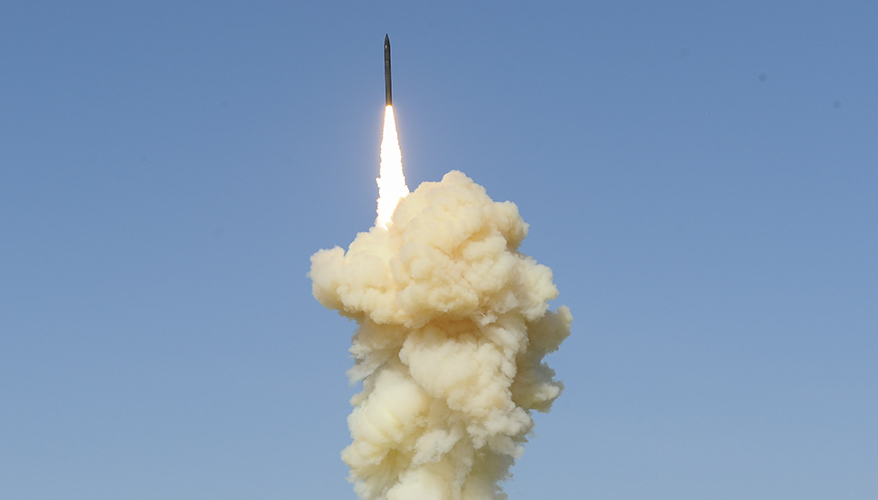
The evolution of missile defense systems has brought about significant advancements in how threats are detected, tracked, and neutralized. Among these, the integration of artificial intelligence stands out as a transformative force, particularly in enhancing the precision of midcourse intercepts. As adversarial technologies grow more sophisticated, the need for rapid, adaptive, and highly accurate interception solutions becomes ever more critical. This article explores how AI improves the accuracy of midcourse intercepts, examining the technologies, methodologies, and real-world implications behind these advancements.
AI-driven solutions are now at the forefront of missile defense, enabling systems to process vast streams of sensor data, predict missile trajectories, and optimize interception strategies in real time. These capabilities not only increase the probability of successful intercepts but also help defense operators respond to complex and evolving threats with greater confidence.
For those interested in related AI applications within defense, our recent analysis on impact of ai on interceptor hit-to-kill probability provides further insights into how machine learning is shaping the future of missile interception.
Understanding Midcourse Intercepts and Their Challenges
A midcourse intercept refers to the phase in missile defense where an interceptor targets a ballistic missile while it is traveling through space, after its initial boost but before re-entering the atmosphere. This stage presents unique challenges: the missile may deploy decoys, change trajectory, or attempt evasive maneuvers. Environmental factors such as cosmic radiation, debris, and sensor noise further complicate the task of tracking and targeting.
Traditional algorithms, while effective to a degree, often struggle with the sheer volume and complexity of data generated during a missile’s flight. The need for split-second decision-making and adaptation to unpredictable behaviors makes this a prime area for AI intervention.
How AI Improves the Accuracy of Midcourse Intercepts
The application of AI in missile defense brings several key advantages to the midcourse intercept phase:
- Advanced Data Fusion: AI systems can rapidly combine and interpret data from multiple sensors—radar, infrared, satellite, and more—creating a comprehensive and accurate picture of the battlespace.
- Predictive Analytics: Machine learning models can anticipate missile maneuvers and decoy deployments, allowing interceptors to adjust their trajectory in real time.
- Adaptive Targeting: AI algorithms continuously learn from new data, improving their ability to distinguish between real threats and false targets.
- Reduced Human Workload: Automation of complex calculations and decision-making processes enables human operators to focus on strategic oversight rather than manual data analysis.

By leveraging these capabilities, AI not only enhances the accuracy of midcourse intercepts but also increases the overall resilience of missile defense systems against evolving threats.
Key Technologies Behind Enhanced Intercept Precision
Several technological innovations underpin the improvements in interception accuracy achieved through AI:
- Neural Networks: Deep learning models excel at pattern recognition, enabling systems to identify subtle changes in missile behavior that might indicate evasive action or decoy deployment.
- Sensor Fusion Engines: AI-powered engines synthesize data from disparate sources, reducing uncertainty and improving the fidelity of target tracking.
- Real-Time Simulation: Advanced simulators, driven by AI, allow defense systems to test multiple interception scenarios on the fly, selecting the optimal response in milliseconds.
- Autonomous Decision-Making: AI enables interceptors to make independent adjustments during flight, minimizing the lag between detection and response.
These technologies work in concert to deliver a significant boost in interception reliability, especially when facing adversaries employing sophisticated countermeasures.
Operational Benefits and Real-World Impact
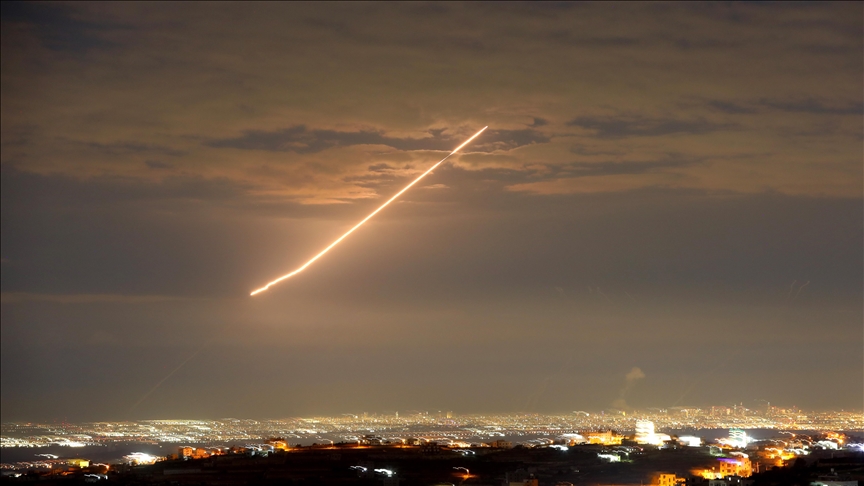
The operational impact of integrating AI into missile defense is already being observed in several defense programs worldwide. Enhanced tracking accuracy translates directly into higher intercept success rates and reduced risk of collateral damage. AI also enables defense systems to handle multiple simultaneous threats, a critical capability as missile salvos and swarm tactics become more common.
For example, AI-driven sensor fusion has proven effective in distinguishing between genuine warheads and decoys, a task that previously required extensive manual analysis. The ability to automate this process not only speeds up response times but also reduces the likelihood of costly errors.
To further explore the role of AI in defense infrastructure, consider reading about how ai improves the survivability of defense infrastructure for a broader perspective on resilience strategies.
AI and Sensor Data: Sensing the Invisible
One of the most significant contributions of AI is its ability to extract actionable intelligence from sensor data that would otherwise be too complex or subtle for traditional algorithms. By applying machine learning to sensor telemetry, AI can detect anomalies, track objects with greater precision, and even anticipate potential system failures before they occur.
For a deeper dive into these capabilities, the article Sensing the Invisible: How AI Unlocks Hidden Insights from Sensor Data provides an excellent overview of how advanced analytics are transforming defense and security applications.
Challenges and Future Directions
Despite the clear benefits, integrating AI into missile defense is not without its challenges. Ensuring the reliability and security of AI algorithms is paramount, as adversaries may attempt to exploit vulnerabilities or introduce deceptive data. Additionally, the need for transparency and explainability in AI-driven decisions remains a concern, particularly in high-stakes defense scenarios.
Looking ahead, ongoing research focuses on developing more robust and resilient AI models, improving interoperability between allied defense systems, and expanding the use of AI to other domains such as cyber defense and logistics. The future promises even greater synergy between human operators and intelligent machines, further enhancing the effectiveness of missile defense operations.
Frequently Asked Questions
How does AI help distinguish between real warheads and decoys?
AI systems use advanced pattern recognition and data fusion techniques to analyze sensor inputs from multiple sources. By comparing these data streams in real time, AI can identify subtle differences between genuine threats and decoys, improving the accuracy of interception decisions.
What are the main benefits of using AI in midcourse intercepts?
The primary benefits include faster and more accurate threat detection, improved adaptability to unpredictable missile maneuvers, and reduced operator workload. AI also enables defense systems to handle multiple simultaneous threats and respond to evolving tactics more effectively.
Are there risks associated with relying on AI for missile defense?
While AI offers substantial advantages, it also introduces new risks such as potential vulnerabilities to cyber attacks or adversarial manipulation. Ensuring the security, reliability, and transparency of AI algorithms is essential to maintaining trust and effectiveness in missile defense operations.
Conclusion
The integration of artificial intelligence into missile defense is redefining what is possible in terms of interception accuracy and operational agility. As AI technologies continue to mature, their role in safeguarding against advanced missile threats will only grow more central. By embracing these innovations, defense organizations can stay ahead of emerging challenges and ensure a higher probability of successful midcourse intercepts.
For readers interested in related topics, our coverage on how ai identifies the type of fuel used in a missile launch and how ai detects subtle anomalies in sensor telemetry offers further insights into the expanding role of AI in modern defense.