
The rapid evolution of artificial intelligence has transformed the landscape of modern defense. As threats become more sophisticated, militaries and security organizations are turning to AI-driven decoys and defensive counters to outmaneuver adversaries and safeguard critical assets. These advanced systems use machine learning, data fusion, and real-time analytics to detect, deceive, and neutralize incoming threats more effectively than ever before.
Understanding how these technologies work—and how they are changing the dynamics of defense—is essential for professionals in security, aerospace, and technology sectors. This article explores the core concepts, practical implementations, and future trends in the use of AI for decoys and countermeasures, providing a comprehensive overview for decision-makers and enthusiasts alike.
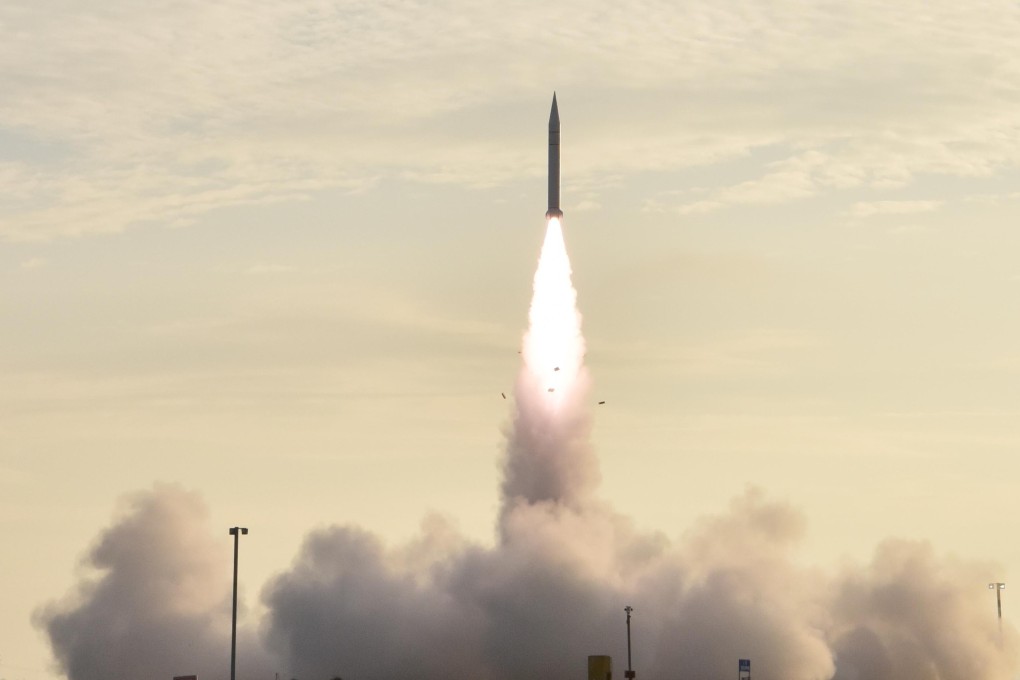
For those interested in related advances, the article on how AI identifies the type of fuel used in a missile launch provides additional context on how artificial intelligence is shaping the future of missile defense and detection.
Understanding AI-Driven Decoys
Traditional decoys have long played a role in military strategy, from inflatable tanks to radar-reflective chaff. However, the integration of artificial intelligence has enabled a new generation of decoys capable of dynamic adaptation and autonomous decision-making. These systems can analyze sensor data, predict enemy behavior, and modify their signatures in real time to maximize deception.
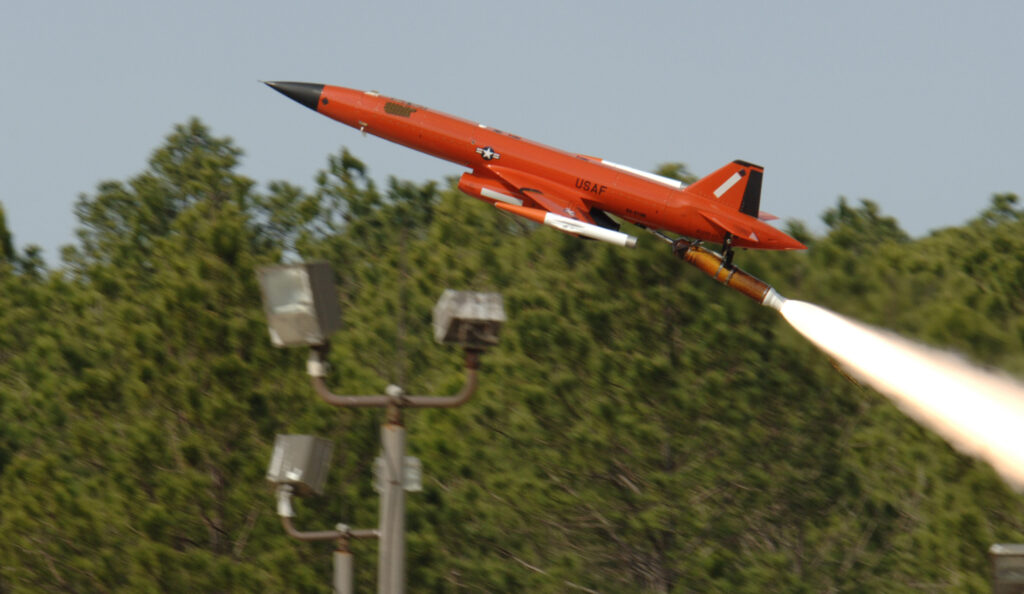
AI-powered decoys are deployed across multiple domains, including air, sea, and land. For example, unmanned aerial vehicles (UAVs) equipped with machine learning algorithms can mimic the flight patterns and radar signatures of high-value assets, drawing enemy fire away from genuine targets. Similarly, naval decoys use AI to simulate ship movements and electronic emissions, confusing adversary targeting systems.
The effectiveness of these decoys relies on their ability to learn from the environment and adapt to changing threats. By leveraging big data and advanced analytics, AI-driven systems can continuously refine their tactics, making them increasingly difficult for adversaries to counter.
Key Technologies Behind Defensive Counters
The backbone of modern defensive countermeasures lies in the integration of AI with advanced sensing and response systems. These technologies enable rapid detection, classification, and neutralization of threats, often without human intervention.
- Sensor Fusion: By combining data from radar, infrared, acoustic, and electromagnetic sensors, AI algorithms can create a comprehensive picture of the battlespace. This allows for more accurate identification of incoming threats and reduces false alarms.
- Machine Learning: Algorithms are trained on vast datasets to recognize patterns associated with hostile actions, such as missile launches or drone swarms. Over time, these systems improve their accuracy and responsiveness.
- Autonomous Response: Once a threat is detected, AI-driven countermeasures can deploy interceptors, activate electronic jamming, or launch decoys with minimal delay, increasing the chances of successful defense.
For a deeper understanding of how AI enhances detection, the article on how AI detects subtle anomalies in sensor telemetry offers valuable insights into the role of analytics in modern defense systems.
Applications of AI-Driven Decoys and Defensive Counters
The use of AI-driven decoys and defensive counters spans a wide range of military and security applications. Some of the most prominent include:
- Missile Defense: AI-powered decoys can simulate the heat and radar signatures of real missiles or aircraft, diverting incoming threats away from actual targets.
- Electronic Warfare: Machine learning algorithms control electronic countermeasures that jam or spoof enemy sensors, communications, and guidance systems.
- Force Protection: Ground-based decoys and countermeasures protect military installations and convoys by confusing enemy targeting and surveillance efforts.
- Naval Operations: AI-driven surface and subsurface decoys help protect ships from torpedoes and anti-ship missiles by mimicking vessel signatures and movements.

These applications are continually evolving as AI technologies advance, making it possible to respond to new and emerging threats with greater speed and precision.
Benefits and Challenges of AI-Based Countermeasures
The adoption of AI-driven decoys and defensive counters brings significant advantages, but also introduces new complexities and risks.
Advantages
- Speed and Automation: AI enables near-instantaneous detection and response, reducing the window of vulnerability.
- Adaptability: Machine learning systems can adjust tactics in real time, responding to evolving enemy strategies.
- Resource Optimization: By accurately distinguishing between real and decoy threats, AI helps allocate defensive resources more efficiently.
Challenges
- Adversarial AI: Opponents may develop their own AI systems designed to counter or exploit weaknesses in defensive algorithms.
- Data Security: The effectiveness of AI depends on access to high-quality data, making these systems vulnerable to data poisoning or cyberattacks.
- Ethical and Legal Issues: The use of autonomous systems in defense raises questions about accountability, decision-making, and compliance with international law.
To explore how AI is influencing other aspects of defense, see the discussion on the impact of AI on interceptor hit-to-kill probability.
Future Trends in AI-Driven Defense
As artificial intelligence continues to advance, the capabilities of decoys and countermeasures will expand. Future systems are expected to feature:
- Greater Autonomy: Next-generation decoys will operate with minimal human oversight, making real-time decisions based on complex situational data.
- Swarm Tactics: Coordinated groups of AI-enabled decoys and interceptors will work together to overwhelm enemy defenses and improve survivability.
- Enhanced Sensing: Integration with advanced sensors, including quantum and hyperspectral technologies, will improve detection and deception capabilities.
- Resilience to Counter-AI: Defensive systems will incorporate techniques to detect and adapt to adversarial AI, maintaining effectiveness in contested environments.
For more on how AI is used to sense and interpret complex environments, the article exploring AI-powered sensing of the invisible provides an in-depth look at the underlying technologies.
The integration of AI into defensive strategies is not limited to decoys and countermeasures. It also plays a crucial role in preventing accidental launches and directing advanced weapon systems, as discussed in resources like the role of AI in preventing accidental launches and the role of AI in directing directed energy weapons.
FAQ: AI-Driven Decoys and Defensive Countermeasures
How do AI-driven decoys differ from traditional decoys?
Unlike conventional decoys, which rely on static signatures or pre-programmed behaviors, AI-driven systems can analyze sensor data and adapt their tactics in real time. This makes them more effective at deceiving advanced targeting and tracking systems.
What are the main risks associated with AI-based defensive counters?
The primary risks include vulnerability to adversarial AI, data manipulation, and cyberattacks. There are also concerns about ethical decision-making and the potential for unintended escalation if autonomous systems misinterpret threats.
Can AI-driven countermeasures be used outside of military applications?
Yes, similar technologies are being explored for use in cybersecurity, critical infrastructure protection, and even commercial aviation, where rapid threat detection and response are essential.