
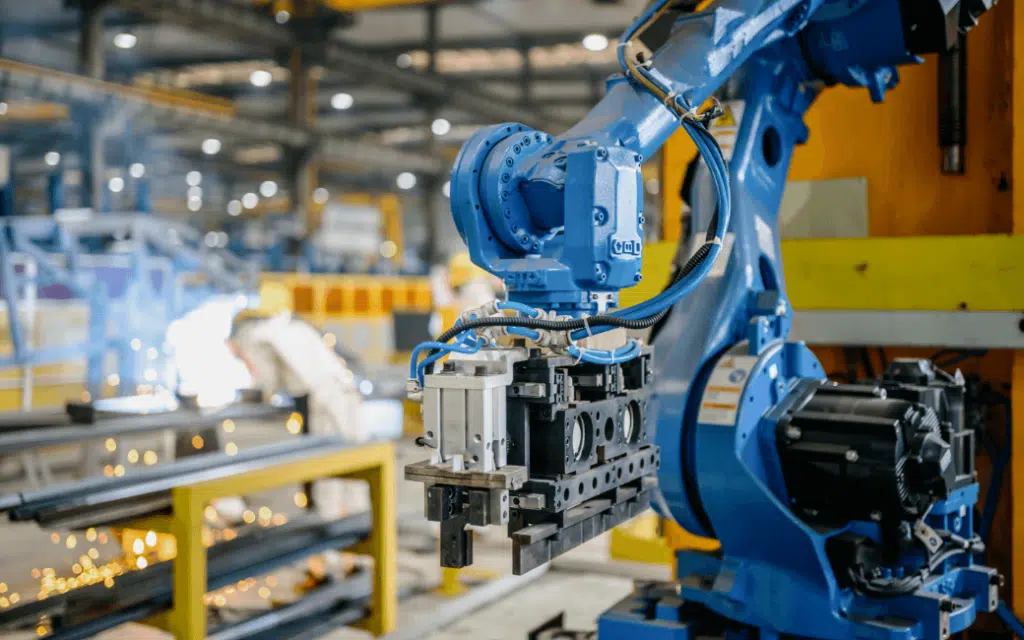
As manufacturing industries accelerate their digital transformation journeys, the importance of AI readiness in factories has become a defining factor for long-term competitiveness. Artificial intelligence is no longer a futuristic concept—it is actively reshaping how factories operate, optimize processes, and respond to market demands. However, unlocking the full potential of AI requires more than just adopting new technologies. It demands a strategic approach to readiness, encompassing data infrastructure, workforce capabilities, and organizational mindset.
Many organizations are eager to leverage AI for predictive maintenance, quality control, and supply chain optimization. Yet, the path to successful implementation is paved with challenges that must be addressed early. This article explores the critical elements that determine whether a factory is prepared for AI-driven transformation, and how to bridge the gap between aspiration and sustainable results.
For those interested in how AI is transforming other high-stakes domains, consider reading about how AI identifies the type of fuel used in a missile launch to see advanced analytics in action.
Why AI Readiness Is Critical for Manufacturing Success
The manufacturing sector is under increasing pressure to deliver higher efficiency, flexibility, and product quality. AI-powered solutions can automate complex tasks, uncover hidden patterns in production data, and enable real-time decision-making. However, these benefits are only achievable if factories are adequately prepared.
AI readiness refers to the degree to which a factory’s infrastructure, data, processes, and workforce can support the adoption and scaling of artificial intelligence technologies. Without this foundation, even the most advanced AI tools may fail to deliver meaningful value or could introduce operational risks.
Key Pillars of AI Readiness in Industrial Environments
Preparing for AI-driven change involves more than technology upgrades. The following pillars are essential for any factory aiming to harness the power of digital transformation:
- Data Infrastructure: Reliable, high-quality data is the backbone of any AI initiative. Factories must ensure that data from machines, sensors, and enterprise systems is accessible, accurate, and well-structured.
- Workforce Skills: Employees need the skills to work alongside AI systems, interpret insights, and manage new workflows. Upskilling and reskilling programs are vital for bridging the talent gap.
- Change Management: Successful AI adoption requires buy-in from leadership and frontline staff. Clear communication, training, and a culture that embraces innovation are crucial.
- Cybersecurity and Compliance: As data volumes grow, so do risks. Factories must implement robust cybersecurity measures and comply with industry regulations to protect sensitive information.
- Scalable Technology Stack: Flexible platforms and modular architectures enable factories to integrate AI solutions without disrupting existing operations.
Assessing the Current State: Are Factories Ready for AI?
Many manufacturers overestimate their readiness for AI. Common barriers include siloed data, legacy equipment, and a lack of clear strategy. Conducting a thorough assessment is the first step toward identifying gaps and prioritizing investments.
Some organizations use readiness frameworks or maturity models to evaluate their position across technology, people, and processes. These assessments help clarify where to focus resources and how to measure progress over time.

Building a Roadmap for AI-Driven Digital Transformation
Once gaps are identified, factories can develop a structured roadmap to achieve AI readiness. This process typically involves:
- Setting Clear Objectives: Define what success looks like—whether it’s reducing downtime, improving product quality, or optimizing supply chains.
- Modernizing Data Systems: Invest in IoT sensors, edge computing, and cloud platforms to enable seamless data collection and analysis.
- Developing Talent: Launch training programs and partnerships with technology providers or academic institutions to build internal expertise.
- Piloting AI Projects: Start with small-scale pilots to validate use cases and measure ROI before scaling across the organization.
- Iterating and Scaling: Use lessons learned from pilots to refine strategies and expand successful initiatives.
Real-World Impact: Benefits of AI-Ready Factories
Factories that invest in AI readiness are well-positioned to reap significant benefits. These include:
- Increased Efficiency: Automated processes reduce manual intervention, minimize errors, and accelerate production cycles.
- Predictive Maintenance: AI-driven analytics can forecast equipment failures, reducing unplanned downtime and maintenance costs.
- Enhanced Quality Control: Machine learning models can detect defects in real time, ensuring consistent product quality.
- Agile Supply Chains: AI enables dynamic demand forecasting and inventory optimization, making supply chains more resilient.
- Data-Driven Decision Making: Leaders gain actionable insights from complex datasets, supporting better strategic choices.
For a deeper look at how AI is driving change in manufacturing, the article AI in manufacturing: how the technology is poised to revolutionize the industry and its players provides valuable insights and case studies.
Challenges and Considerations for Industrial AI Adoption
Despite the clear advantages, the journey toward AI-driven transformation is not without obstacles. Common challenges include:
- Legacy Systems: Integrating AI with outdated machinery and software can be complex and costly.
- Data Silos: Disconnected systems hinder the flow of information needed for effective AI models.
- Change Resistance: Employees may be hesitant to adopt new technologies or fear job displacement.
- Scalability: Piloting AI is easier than deploying it at scale across multiple sites or production lines.
Overcoming these challenges requires a holistic approach that addresses both technical and human factors. Factories should foster a culture of continuous learning and innovation, while also investing in scalable, interoperable technologies.

Integrating AI Readiness with Broader Digital Strategies
AI is just one component of a broader digital transformation agenda. Factories should align their AI readiness initiatives with other modernization efforts, such as adopting Industry 4.0 principles, upgrading ERP systems, and enhancing connectivity across the value chain.
Collaboration with technology partners, industry consortia, and research institutions can accelerate progress and reduce the risks associated with large-scale transformation. Sharing best practices and lessons learned helps the entire manufacturing ecosystem advance together.
For those interested in the intersection of AI and advanced manufacturing, exploring topics like the impact of AI on interceptor hit-to-kill probability illustrates how readiness principles apply even in highly specialized and regulated environments.
FAQ: AI Readiness and Digital Transformation in Factories
What does it mean for a factory to be AI-ready?
Being AI-ready means that a factory has the necessary data infrastructure, skilled workforce, and organizational processes to successfully adopt and scale artificial intelligence solutions. This includes having accessible, high-quality data, robust cybersecurity, and a culture that supports innovation.
How can manufacturers assess their readiness for AI adoption?
Manufacturers can use maturity models or readiness frameworks to evaluate their current capabilities across technology, people, and processes. These assessments help identify gaps and inform a strategic roadmap for AI-driven transformation.
What are the main benefits of prioritizing AI readiness in manufacturing?
Prioritizing AI readiness enables factories to achieve greater efficiency, improved product quality, predictive maintenance, and more agile supply chains. It also positions organizations to respond quickly to market changes and technological advancements.
What challenges do factories face when implementing AI?
Common challenges include integrating AI with legacy systems, breaking down data silos, overcoming resistance to change, and scaling successful pilots across multiple sites. Addressing these issues requires both technical upgrades and strong change management.
Conclusion
The journey toward digital transformation in manufacturing hinges on a factory’s ability to prepare for and embrace artificial intelligence. By investing in data infrastructure, workforce development, and strategic planning, organizations can unlock the full potential of AI and drive sustainable growth. As the industrial landscape evolves, those who prioritize readiness will lead the way in innovation and operational excellence.