
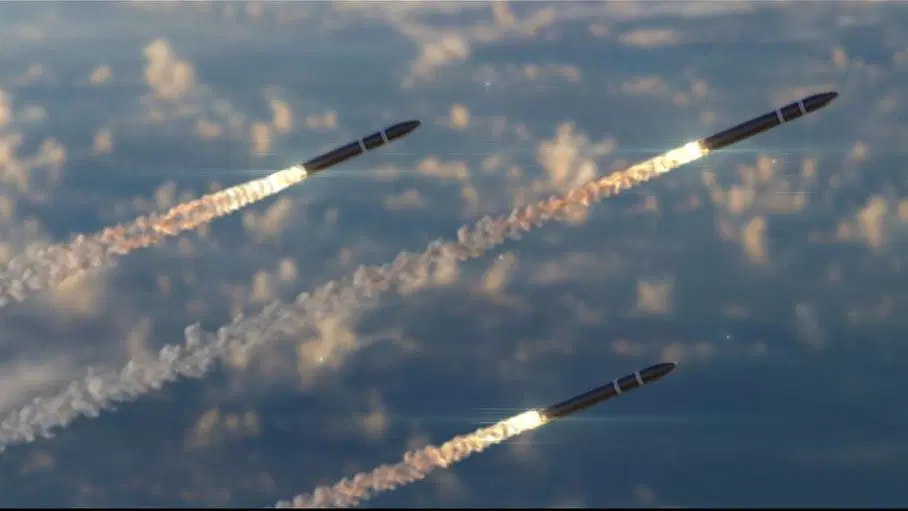
Advancements in artificial intelligence are rapidly transforming the landscape of missile defense. As threats become faster and more complex, traditional centralized computing models often struggle to deliver the speed and precision required for real-time response. This is where edge AI—the deployment of AI algorithms directly on defense hardware—has begun to play a pivotal role. By processing data locally, edge AI enables missile defense systems to analyze, decide, and act with unprecedented speed and autonomy.
Understanding the impact of edge AI on missile defense hardware is crucial for defense professionals, policymakers, and technologists alike. This article explores how edge-based intelligence is reshaping detection, tracking, and interception capabilities, while also addressing the challenges and opportunities it brings to the field.
For a deeper look at how AI can pinpoint vulnerabilities in incoming threats, see how ai identifies vulnerable points in incoming missiles.
Edge AI’s Role in Modern Missile Defense Systems
Missile defense systems operate in environments where milliseconds matter. The integration of edge AI into these platforms allows for rapid data analysis directly on sensors, radars, and interceptors. Unlike traditional approaches that rely on sending data to distant servers, edge AI processes information at the source, minimizing latency and reducing the risk of communication delays or disruptions.
This shift is especially important as adversaries deploy hypersonic and maneuverable missiles that can evade conventional tracking. Edge-based intelligence enables hardware to adapt in real time, updating targeting solutions and countermeasures as threats evolve mid-flight.
Enhancing Detection and Tracking Through Localized AI
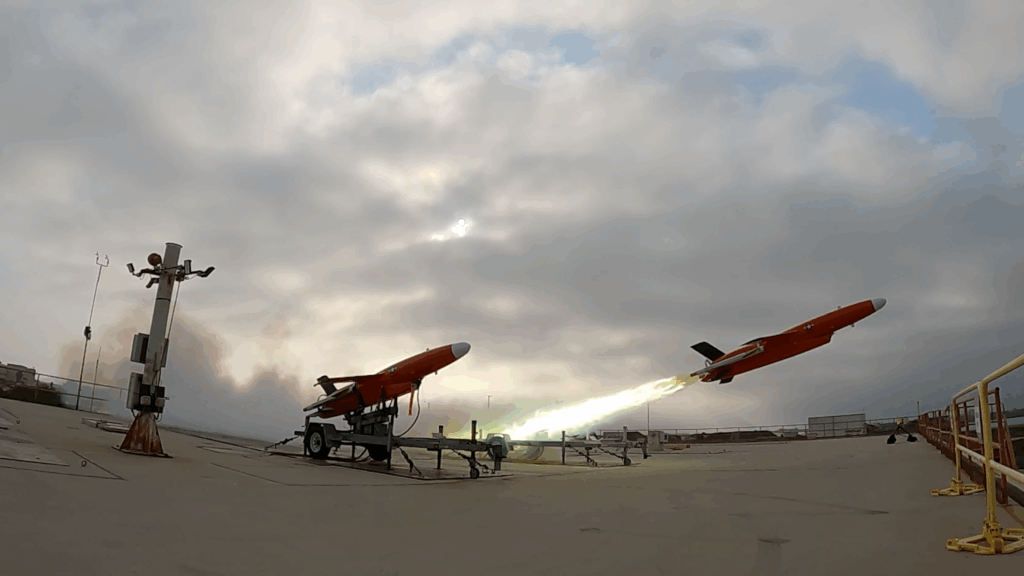
One of the most significant benefits of edge AI in missile defense is the improvement of detection and tracking accuracy. By running advanced algorithms on embedded processors within radars and optical sensors, systems can distinguish between genuine threats and decoys with greater precision. This capability is vital for intercepting modern missiles that use stealth, electronic countermeasures, or unpredictable flight paths.
Edge AI also enables multi-sensor fusion at the hardware level. Data from infrared, radar, and acoustic sensors can be combined in real time, providing a more comprehensive and reliable picture of the battlespace. This reduces false alarms and ensures that interceptors are deployed only when necessary, conserving resources and improving mission success rates.
For more on how AI is used to optimize defensive responses, explore how ai optimizes the deployment of decoy flares.
Boosting Hardware Performance and Autonomy
The impact of edge AI on missile defense hardware extends beyond detection and tracking. By embedding intelligence directly into interceptors and launch platforms, these systems can autonomously adjust their flight paths, select optimal interception points, and even coordinate with other defensive assets without waiting for human input or centralized commands.
This autonomy is particularly valuable in contested environments where communication links may be jammed or degraded. Edge AI allows missile defense hardware to continue operating effectively, making split-second decisions based on local data and pre-trained models.
Additionally, edge AI can optimize resource allocation by prioritizing threats and managing interceptor inventories. This ensures that the most dangerous targets are addressed first, improving overall system resilience and effectiveness.

Real-Time Decision-Making and Situational Awareness
The speed at which edge AI processes sensor data directly influences the quality of situational awareness for missile defense operators and commanders. With local AI-driven analytics, systems can provide actionable insights almost instantly, allowing for rapid engagement of threats and dynamic re-tasking of assets.
This capability is crucial for defending against fast-moving or unpredictable threats, such as hypersonic missiles. Edge AI’s ability to deliver real-time updates ensures that decision-makers have the most current information, reducing the risk of delayed or ineffective responses.
To understand how AI-driven awareness benefits command decisions, see impact of ai on real-time situational awareness for commanders.
Challenges and Considerations in Deploying Edge AI
While the advantages of edge AI are clear, integrating it into missile defense hardware presents several challenges. Hardware constraints, such as limited processing power and energy availability, require highly efficient AI models. Ensuring cybersecurity is also critical, as edge devices may be more vulnerable to tampering or cyberattacks.
Another consideration is the need for robust training data and continuous model updates. As adversaries develop new tactics, edge AI systems must be retrained to recognize emerging threats. This requires secure and reliable mechanisms for updating AI models on deployed hardware.
Despite these hurdles, ongoing research and development are producing more capable and resilient edge AI solutions. The defense sector is investing heavily in specialized chips and software frameworks designed to meet the unique demands of missile defense applications.
Case Studies: Edge AI in Action
Recent field tests and operational deployments have demonstrated the value of edge AI in missile defense. For example, AI-powered radar systems have successfully tracked hypersonic projectiles in real time, providing targeting data fast enough for effective interception. These advances are not just theoretical; they are already influencing the design of next-generation missile defense platforms.
For a detailed look at how AI tracks hypersonic missiles in real-world scenarios, refer to this analysis of AI tracking in real-time combat.
In addition, AI-driven systems are being used to identify the type of fuel used in missile launches, which can provide critical intelligence for defense planning. More information can be found at how ai identifies the type of fuel used in a missile launch.
Future Trends in Edge AI and Missile Defense
Looking ahead, the integration of edge AI with other emerging technologies—such as quantum computing, advanced sensors, and secure communications—will further enhance missile defense capabilities. As AI models become more sophisticated and hardware becomes more powerful, the line between centralized and edge processing will continue to blur.
Collaboration between allied nations, defense contractors, and AI researchers will be essential to stay ahead of evolving threats. Standardizing edge AI architectures and ensuring interoperability across platforms will help maximize the benefits of these technologies.
For insights into how AI is shaping theater-level defense strategies, see benefits of ai for theater-level missile defense.
FAQ
How does edge AI improve missile defense response times?
By processing sensor data directly on the hardware, edge AI eliminates the need to send information to remote servers. This reduces latency and allows missile defense systems to detect, track, and respond to threats in real time, which is critical for intercepting fast-moving missiles.
What are the main challenges of implementing edge AI in missile defense hardware?
Key challenges include limited processing power and energy resources on embedded devices, the need for robust cybersecurity, and the requirement for continuous updates to AI models. Overcoming these obstacles involves developing efficient algorithms and secure update mechanisms.
Can edge AI help defend against hypersonic missiles?
Yes, edge AI is particularly effective against hypersonic threats. Its ability to analyze data and adapt to rapidly changing flight paths enables missile defense systems to track and intercept these advanced weapons more effectively than traditional approaches.