
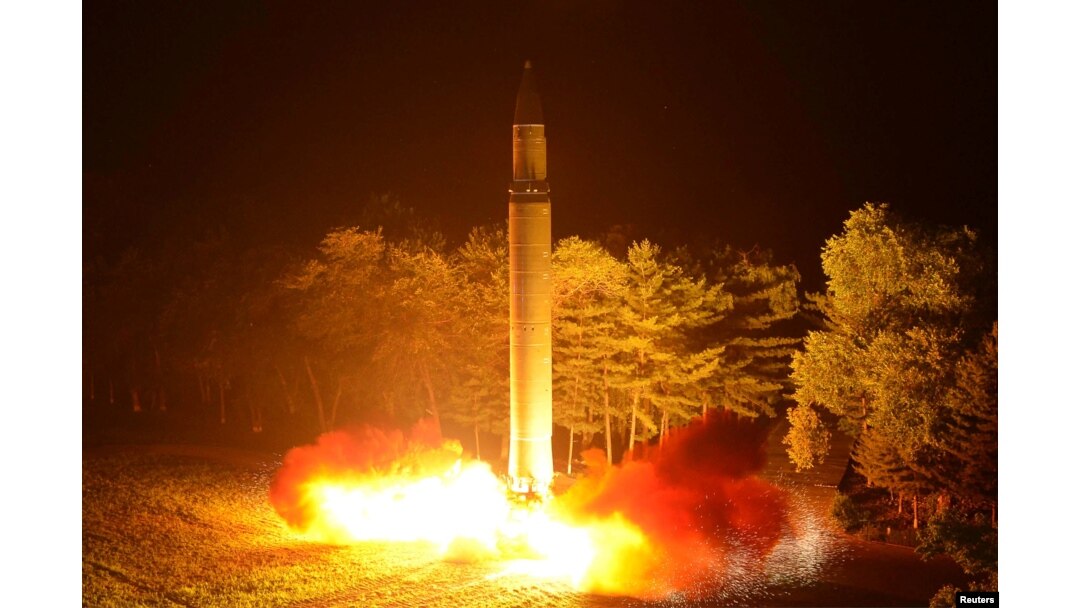
The rapid advancement of artificial intelligence has brought transformative changes to many sectors, and maritime missile defense is no exception. As naval threats become more sophisticated, the need for smarter, faster, and more adaptive defense systems is greater than ever. Integrating AI into maritime missile defense solutions delivers a range of advantages, from improved detection and tracking to enhanced decision-making and resource allocation. This article explores the benefits of AI for maritime missile defense, highlighting how these technologies are reshaping naval security and operational effectiveness.
Modern navies face increasingly complex threats, including hypersonic missiles, swarm attacks, and stealthy projectiles. Traditional human-operated systems struggle to keep pace with the speed and unpredictability of these dangers. By leveraging AI-driven analytics, machine learning, and automation, maritime defense platforms can process vast amounts of sensor data in real time, identify threats more accurately, and coordinate responses with unprecedented speed.
For a deeper dive into how AI bridges the gap between detection and engagement in missile defense, see how ai manages the transition from detection to engagement.
AI-Driven Threat Detection and Tracking
One of the most significant benefits of AI for maritime missile defense is its ability to enhance threat detection and tracking. AI algorithms can analyze data from radar, sonar, infrared, and satellite sources far more rapidly than human operators. This enables defense systems to:
- Identify incoming missiles or hostile vessels at greater distances
- Distinguish between genuine threats and false alarms
- Track multiple targets simultaneously, even in cluttered or contested environments
Machine learning models continually improve as they process more data, refining their ability to recognize new types of threats and adapt to evolving tactics. This adaptability is crucial in maritime environments, where conditions and adversary strategies can change rapidly.

Accelerated Decision-Making and Response
Speed is critical when countering missile attacks at sea. AI-powered systems can process sensor inputs and recommend or execute defensive actions within milliseconds. This rapid response capability minimizes the window of vulnerability and increases the likelihood of intercepting incoming threats before they reach their targets.
AI can also prioritize threats based on their trajectory, speed, and potential impact, ensuring that defense resources are allocated where they are needed most. By automating routine decisions and flagging only the most complex scenarios for human review, AI allows operators to focus on high-level strategy and oversight.
For more information on how AI is transforming missile defense at a broader scale, explore the benefits of ai for theater-level missile defense.
Resource Optimization and System Integration
Modern maritime defense platforms rely on a variety of sensors, weapons, and communication networks. AI excels at integrating these disparate systems, enabling seamless data sharing and coordinated action. Some key advantages include:
- Optimizing the deployment of interceptors, decoys, and electronic countermeasures
- Reducing redundant or conflicting actions across multiple ships and platforms
- Ensuring continuous coverage even if some sensors or weapons are disabled
AI-based resource management ensures that every asset in a naval task force contributes to the overall defense posture, maximizing operational effectiveness while minimizing waste.

Improved Accuracy and Reduced Human Error
Human operators are susceptible to fatigue, stress, and information overload, especially during high-intensity engagements. AI systems, on the other hand, maintain consistent performance regardless of operational tempo. By automating data analysis and initial response actions, AI reduces the risk of missed detections or delayed reactions.
In addition, AI can provide decision support to human commanders, offering recommendations based on real-time data and historical patterns. This collaborative approach combines the strengths of both human judgment and machine precision, leading to more accurate and reliable defense outcomes.
To see how AI pinpoints vulnerabilities in incoming threats, visit how ai identifies vulnerable points in incoming missiles.
Continuous Learning and Adaptation
Another major benefit of AI for maritime missile defense is its capacity for ongoing learning and adaptation. Unlike static rule-based systems, AI models can update their algorithms as new data becomes available. This means that defense systems can evolve alongside emerging threats, maintaining their effectiveness even as adversaries develop new tactics or technologies.
For example, AI can learn to recognize new missile signatures, adapt to changes in enemy behavior, and even anticipate likely attack vectors based on historical trends. This proactive approach helps navies stay ahead of potential threats rather than simply reacting to them.
Enhancing Collaboration and Interoperability
Modern naval operations often involve multinational task forces and joint missions. AI technologies can facilitate interoperability by standardizing data formats, automating communication protocols, and supporting collaborative decision-making across different platforms and nations. This ensures that allied forces can share threat information and coordinate responses efficiently, even in complex operational environments.
To learn more about how AI optimizes specific countermeasures, such as decoy flares, see how ai optimizes the deployment of decoy flares.
Supporting Intelligence and Early Warning
AI is increasingly used to analyze intelligence from a wide array of sources, including satellite imagery, electronic signals, and open-source data. By correlating these inputs, AI systems can provide early warning of potential missile launches or hostile activity. This enables naval commanders to take preemptive measures, such as repositioning assets or activating defensive postures, before an attack occurs.
For example, AI can help identify the type of fuel used in a missile launch, offering clues about the missile’s range and intended target. For more details, visit how ai identifies the type of fuel used in a missile launch.
Challenges and Considerations
While the benefits of AI for maritime missile defense are substantial, there are also important challenges to address. These include ensuring the reliability and security of AI algorithms, preventing adversarial manipulation, and maintaining human oversight over critical decisions. Ongoing research and rigorous testing are essential to ensure that AI-enhanced defense systems remain trustworthy and effective under real-world conditions.
For a broader perspective on the role of artificial intelligence in air and missile defense, see the impact of artificial intelligence on air defense systems.
Frequently Asked Questions
How does AI improve threat detection in maritime missile defense?
AI algorithms can process and analyze large volumes of sensor data much faster than human operators. This allows defense systems to identify and track incoming threats more accurately and at greater distances, even in challenging environments with high levels of noise or clutter.
Can AI help reduce the risk of human error in naval defense operations?
Yes, AI systems maintain consistent performance regardless of stress or fatigue, automating many routine tasks and providing decision support to human operators. This reduces the likelihood of missed detections or delayed responses during high-pressure situations.
What are some challenges associated with using AI in maritime missile defense?
Key challenges include ensuring the reliability and security of AI algorithms, preventing adversarial attacks or manipulation, and maintaining appropriate human oversight. Ongoing testing and validation are necessary to address these concerns and ensure robust performance in real-world scenarios.