
Missile defense is entering a transformative era, shaped by rapid advances in artificial intelligence, automation, and sensor technologies. As threats grow more complex and faster, the integration of human expertise with machine intelligence is becoming essential for effective defense. Understanding what is the future of human-machine teaming in missile defense is crucial for military leaders, defense planners, and technologists seeking to maintain a strategic edge.
This article explores how collaboration between humans and intelligent systems is evolving in missile defense, the benefits and challenges of this partnership, and what the next decade may hold. We’ll also highlight related advances, such as the impact of AI on real-time situational awareness for commanders, which is already reshaping decision-making in high-stakes environments.
Why Human-Machine Collaboration Matters in Modern Missile Defense
The pace and complexity of missile threats have outstripped the capacity of humans to respond alone. Hypersonic weapons, swarms of drones, and multi-vector attacks demand split-second analysis and action. Machines excel at processing vast data streams, identifying patterns, and executing rapid responses, while humans bring judgment, ethical reasoning, and adaptability.
By combining these strengths, human-machine teams can:
- Accelerate threat detection by fusing sensor data and flagging anomalies in real time.
- Enhance decision-making with AI-driven recommendations that factor in complex variables.
- Reduce cognitive overload for operators, allowing them to focus on critical judgments and mission priorities.
- Increase resilience by enabling adaptive responses to unexpected tactics or system failures.
Recent developments in AI, such as those improving the accuracy of midcourse intercepts, demonstrate how advanced algorithms are already boosting the effectiveness of missile defense systems.
Key Trends Shaping the Next Generation of Teaming
Several trends are converging to define the future of human-machine collaboration in missile defense:
Advanced AI and Machine Learning Integration
AI systems are moving beyond simple automation to become true partners in decision-making. They can now learn from operator feedback, adapt to new threats, and even anticipate adversary tactics. This enables more dynamic and flexible responses, especially in unpredictable scenarios.
Distributed Sensor Networks and Data Fusion
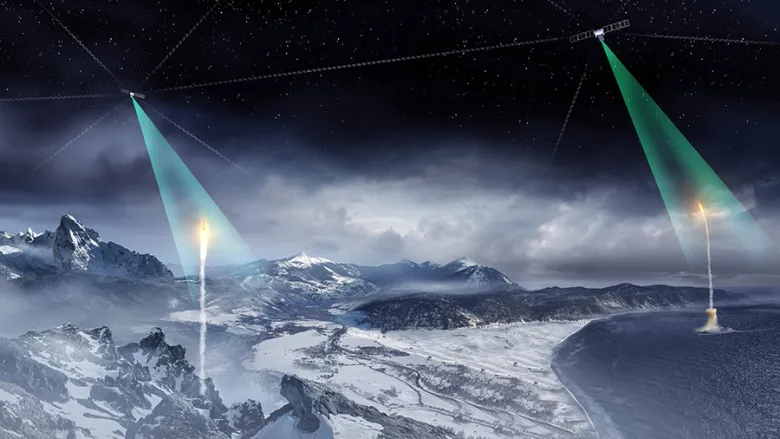
Modern missile defense relies on a web of satellites, radars, and ground-based sensors. Machine intelligence can rapidly synthesize this data, providing a comprehensive picture of the battlespace. This capability is vital for tracking fast-moving or stealthy threats and for coordinating responses across multiple domains.
Human-Centered Interface Design
As systems become more complex, intuitive interfaces are essential to ensure operators can understand and trust machine recommendations. Transparent AI, explainable algorithms, and immersive visualization tools are all helping to bridge the gap between human operators and automated systems.
Autonomous and Semi-Autonomous Interceptors
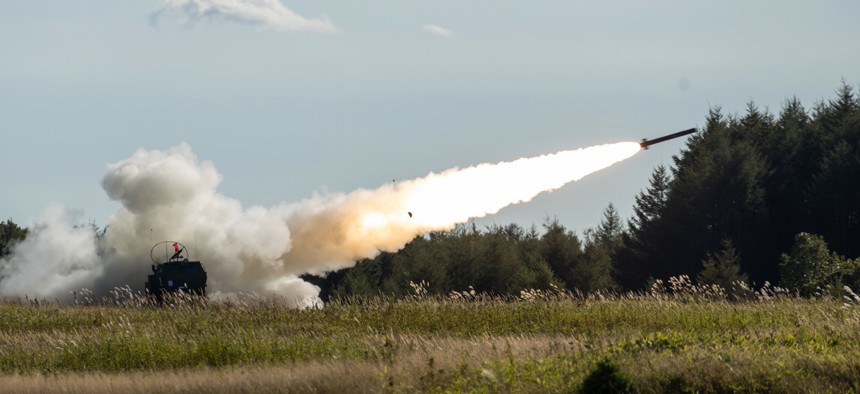
Missile interceptors are increasingly able to operate with minimal human input, using AI to guide midcourse corrections and optimize their flight paths. For example, research into how AI identifies the type of fuel used in a missile launch is improving the ability of interceptors to adapt to different threat profiles in real time.

Opportunities and Challenges for Human-Machine Teams
The integration of human and machine capabilities in missile defense brings significant opportunities, but also introduces new challenges that must be addressed for these partnerships to reach their full potential.
Opportunities
- Faster response times to emerging threats, reducing the risk of successful attacks.
- Improved accuracy in threat identification and interception, as seen in advances related to interceptor hit-to-kill probability.
- Greater adaptability to evolving tactics, including decoy and swarm attacks.
- Enhanced training through AI-powered simulation and feedback, preparing operators for complex scenarios.
Challenges
- Trust and transparency: Operators must understand and trust machine recommendations, especially in high-stakes situations.
- Ethical considerations: Decisions about the use of force must remain under meaningful human control, even as automation increases.
- Cybersecurity risks: As systems become more interconnected, they may be vulnerable to cyberattacks or data manipulation.
- System integration: Ensuring seamless communication between legacy and next-generation platforms is a complex technical hurdle.
What Is the Future of Human-Machine Teaming in Missile Defense?
Looking ahead, the partnership between humans and intelligent systems will only deepen. Experts predict that within the next decade, most missile defense operations will involve a blend of automated processes and human oversight. Machines will handle routine monitoring, data analysis, and even some engagement decisions, while humans will focus on strategy, oversight, and ethical judgment.
Emerging conflicts and rapid technological change are already accelerating this shift. According to a recent report on AI-powered warfare, the speed and scale of future missile attacks will require human-machine teams to operate “quicker than the speed of thought,” leveraging automation and AI to stay ahead of adversaries.
In practical terms, this means:
- Greater reliance on AI for early warning, target discrimination, and engagement planning.
- Continuous learning and adaptation, with machines updating their models based on real-world outcomes and operator feedback.
- Humans retaining ultimate authority over critical decisions, but increasingly supported by transparent, explainable AI systems.
- Expanded use of AI to optimize defensive measures, such as the deployment of decoy flares and countermeasures.
Building Effective Human-Machine Partnerships
To realize the full benefits of this evolution, defense organizations must invest in training, interface design, and robust testing. Key steps include:
- Developing joint training programs that prepare operators to work alongside intelligent systems.
- Designing user interfaces that clearly communicate AI reasoning and recommendations.
- Establishing protocols for human override and intervention, ensuring ethical and legal standards are maintained.
- Continuously evaluating system performance in realistic scenarios to identify and address weaknesses.
By focusing on these priorities, military and industry leaders can ensure that human-machine teams are prepared to meet the challenges of tomorrow’s missile defense environment.
FAQ
How will human roles change as AI becomes more integrated into missile defense?
As AI takes on more data analysis and routine decision-making, human operators will shift toward supervisory roles, focusing on strategy, oversight, and ethical considerations. Training will emphasize collaboration with AI and rapid adaptation to new technologies.
What are the main risks of increased automation in missile defense?
Key risks include over-reliance on automation, potential cybersecurity vulnerabilities, and challenges in ensuring meaningful human control over the use of force. Transparent AI and robust cybersecurity measures are essential to mitigate these risks.
How does human-machine teaming improve missile interception accuracy?
By combining human judgment with machine speed and precision, these teams can more effectively identify threats, select optimal intercept solutions, and adapt to changing conditions. AI-driven systems can process sensor data faster and recommend actions that humans can review and approve.