
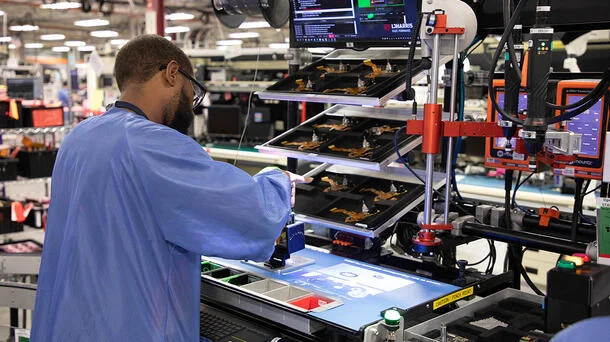
The manufacturing sector is undergoing a rapid transformation, driven by the integration of artificial intelligence. As businesses strive to remain competitive in a fast-changing global market, the ability to adapt quickly and efficiently—known as operational agility—has become a top priority. Leveraging AI technologies enables manufacturers to respond to disruptions, optimize production, and make smarter decisions in real time.
This guide explores the practical ways artificial intelligence enhances flexibility and responsiveness on the factory floor. By examining real-world applications, benefits, and challenges, manufacturers can better understand how to harness these tools for improved performance. For those interested in related AI advancements, see how AI identifies the type of fuel used in a missile launch for further insights into machine learning in complex environments.
Understanding the Role of AI in Manufacturing Flexibility
Artificial intelligence is reshaping how manufacturers approach flexibility and efficiency. By analyzing large volumes of data from machines, sensors, and enterprise systems, AI algorithms can detect patterns, forecast demand, and recommend process adjustments. This ability to process information at scale allows organizations to react to changes—such as supply chain disruptions or shifts in customer demand—much faster than traditional methods.
Key areas where AI contributes to manufacturing agility include:
- Predictive maintenance to minimize downtime
- Real-time production monitoring and optimization
- Automated quality control and defect detection
- Dynamic supply chain management
- Personalized product customization at scale
Predictive Maintenance: Minimizing Disruptions
One of the most impactful applications of AI in manufacturing is predictive maintenance. By continuously monitoring equipment through IoT sensors and analyzing historical performance data, AI systems can predict when a machine is likely to fail. This enables maintenance teams to schedule repairs before breakdowns occur, reducing unplanned downtime and keeping production lines running smoothly.
Predictive maintenance not only saves costs but also enhances operational agility by ensuring that resources are allocated efficiently. Manufacturers can avoid over-maintaining equipment, reduce spare parts inventory, and extend the lifespan of critical assets.

Real-Time Data and Adaptive Production
The ability to adapt production processes on the fly is a hallmark of operational agility. AI-powered systems collect and analyze real-time data from every stage of manufacturing, from raw material input to finished product output. This continuous feedback loop enables quick adjustments to optimize throughput, reduce waste, and maintain product quality.
For example, if a sensor detects a deviation in temperature or pressure, AI can automatically adjust machine settings or alert operators to intervene. This rapid response minimizes the risk of defects and ensures consistent product standards, even as conditions change.
Manufacturers interested in advanced anomaly detection can learn more about how AI detects subtle anomalies in sensor telemetry for deeper technical insights.
Enhancing Supply Chain Responsiveness with AI
Supply chains are increasingly complex and vulnerable to disruptions. AI helps manufacturers build resilience by forecasting demand, optimizing inventory, and identifying potential bottlenecks before they escalate. Machine learning models can analyze data from suppliers, logistics providers, and market trends to recommend proactive actions.
For instance, if a supplier faces a delay, AI can suggest alternative sources or adjust production schedules to minimize impact. This level of responsiveness is crucial for maintaining customer satisfaction and staying ahead of competitors.

Quality Control and Automated Inspection
Maintaining high product quality is essential for any manufacturer. AI-driven visual inspection systems use computer vision to detect defects, inconsistencies, or deviations from specifications in real time. These systems can process thousands of images per minute, far surpassing human inspectors in speed and accuracy.
Automated quality control not only reduces the risk of faulty products reaching customers but also provides valuable data for continuous improvement. By identifying root causes of defects, manufacturers can refine processes and prevent future issues, further boosting agility.
Personalization and Mass Customization
Consumer demand for personalized products is on the rise. AI enables manufacturers to offer customization at scale by analyzing customer preferences, order histories, and market trends. Production lines can be dynamically reconfigured to accommodate unique specifications without sacrificing efficiency.
This approach allows businesses to differentiate themselves in the market and respond quickly to changing consumer needs. The agility provided by AI-driven customization supports both small-batch and large-scale manufacturing models.
Challenges and Considerations in AI Adoption
While the benefits of AI in manufacturing are clear, there are challenges to consider. Integrating new technologies with legacy systems, ensuring data quality, and addressing workforce skill gaps require careful planning. Cybersecurity is also a growing concern as more devices become interconnected.
Successful AI adoption depends on a clear strategy, strong leadership, and ongoing investment in employee training. Manufacturers should start with pilot projects, measure results, and scale up gradually to maximize return on investment.
Industry Examples and Further Resources
Many leading manufacturers are already seeing results from AI initiatives. For example, companies are using machine learning to optimize energy consumption, automate logistics, and improve safety protocols. For a comprehensive overview of current trends and case studies, explore SAP’s resource on AI in manufacturing.
Those interested in the broader impact of artificial intelligence on defense and aerospace can read about the impact of AI on interceptor hit-to-kill probability for additional context.
FAQ: AI and Manufacturing Agility
How does artificial intelligence help manufacturers respond to unexpected disruptions?
AI systems can quickly analyze real-time data from across the production process, supply chain, and external factors. This enables rapid identification of issues—such as equipment failures or supply shortages—and recommends solutions, allowing manufacturers to adapt schedules, reroute resources, or adjust production plans with minimal delay.
What are the main barriers to implementing AI for operational agility?
Common challenges include integrating AI with existing legacy systems, ensuring high-quality data for training algorithms, managing cybersecurity risks, and upskilling the workforce to work alongside new technologies. Strategic planning and phased implementation can help overcome these obstacles.
Can AI improve both efficiency and product customization?
Yes, AI enables manufacturers to optimize processes for efficiency while also supporting mass customization. By analyzing customer data and automating production adjustments, manufacturers can offer personalized products without sacrificing speed or cost-effectiveness.
Conclusion
Embracing artificial intelligence is no longer optional for manufacturers seeking to thrive in a dynamic market. From predictive maintenance and real-time optimization to supply chain resilience and personalized production, AI empowers organizations to achieve greater flexibility and responsiveness. As technology continues to evolve, those who invest in AI-driven agility will be best positioned to lead the industry forward.
For more on the intersection of AI and advanced manufacturing, explore how AI directs energy weapon systems and other emerging applications.