
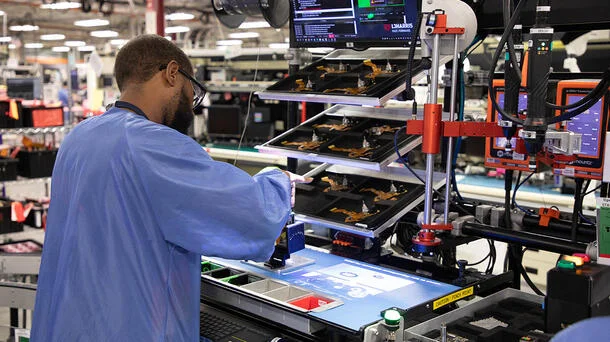
The integration of AI and digital manufacturing convergence is rapidly transforming how factories and supply chains operate. By combining advanced analytics, machine learning, and connected production systems, organizations are achieving new levels of efficiency, flexibility, and intelligence in their operations. This shift is not just about automation—it’s about enabling smarter decision-making, predictive maintenance, and real-time optimization across the manufacturing lifecycle.
As industries face increasing demands for customization, speed, and quality, adopting these technologies is becoming essential. Manufacturers leveraging artificial intelligence with digital platforms are seeing measurable improvements in productivity, cost savings, and product innovation. For those interested in related applications, such as how intelligent systems detect anomalies in complex sensor data, the article on how AI detects subtle anomalies in sensor telemetry provides further insights.
Understanding the Fusion of AI and Digital Manufacturing
The convergence of artificial intelligence with digital manufacturing platforms is reshaping the industrial landscape. Digital manufacturing refers to the use of computer-based systems to plan, simulate, and control production processes. When combined with AI, these systems gain the ability to learn from data, adapt to changing conditions, and optimize outcomes without constant human intervention.
This synergy enables manufacturers to move beyond traditional automation. AI-driven digital twins, predictive analytics, and self-optimizing machines are now commonplace in leading factories. These technologies help reduce downtime, improve quality, and enable rapid responses to market changes.
Key Benefits of Integrating Intelligence into Manufacturing Operations
The practical advantages of merging AI with digital manufacturing tools are significant. Some of the most impactful benefits include:
- Predictive Maintenance: AI algorithms analyze sensor data to anticipate equipment failures, reducing unplanned downtime and maintenance costs.
- Process Optimization: Machine learning models continuously refine production parameters, maximizing throughput and minimizing waste.
- Quality Control: Vision systems powered by AI detect defects in real-time, ensuring consistent product standards and reducing manual inspection efforts.
- Supply Chain Agility: Integrated platforms use predictive analytics to adjust procurement, inventory, and logistics in response to demand fluctuations.
- Customization at Scale: Smart manufacturing cells can rapidly switch between product variants, enabling mass customization without sacrificing efficiency.
These benefits are not limited to large enterprises. Small and medium-sized manufacturers are also adopting these solutions to remain competitive and agile in a fast-changing market.
Real-World Examples of Smart Manufacturing in Action
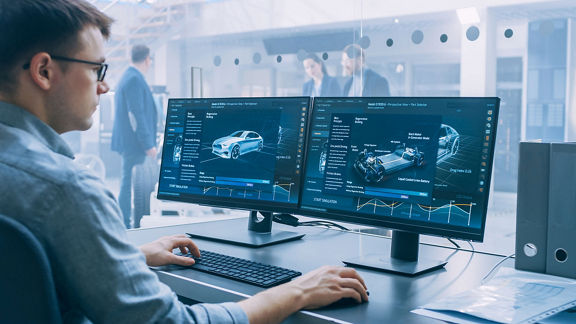
Across industries, the adoption of AI-powered digital manufacturing is delivering tangible results. Automotive companies use machine learning to optimize robotic assembly lines, reducing cycle times and improving safety. Electronics manufacturers deploy AI-driven visual inspection systems to catch microscopic defects that would be missed by human inspectors.
Aerospace suppliers are leveraging digital twins—virtual replicas of physical assets—to simulate maintenance scenarios and predict part failures before they occur. In the pharmaceutical sector, AI helps monitor production environments and ensure compliance with strict quality standards.
For a deeper look at how intelligent systems are influencing defense and aerospace, consider reading about the impact of AI on interceptor hit-to-kill probability and its role in mission-critical applications.
Challenges and Considerations in the Adoption of AI-Driven Manufacturing
While the benefits are clear, implementing these advanced solutions is not without obstacles. Some of the main challenges include:
- Data Integration: Legacy equipment and siloed systems can make it difficult to collect and harmonize the data needed for effective AI models.
- Workforce Skills: Employees may require new training to work alongside intelligent systems and interpret AI-driven insights.
- Cybersecurity: Increased connectivity introduces new risks, making robust security measures essential to protect sensitive production data.
- Change Management: Shifting to a data-driven culture requires buy-in from all levels of the organization and a willingness to adapt established processes.
Addressing these challenges often involves a phased approach, starting with pilot projects and scaling up as teams gain experience and confidence in the technology.
Future Trends in Intelligent Manufacturing Systems
The evolution of ai and digital manufacturing convergence is ongoing, with several trends shaping the future of the industry:
- Edge Computing: Processing data closer to the source—on the factory floor—enables faster insights and reduces latency for critical applications.
- Collaborative Robotics: AI-powered robots are increasingly working alongside humans, handling complex tasks and adapting to dynamic environments.
- Sustainable Manufacturing: Intelligent systems help optimize energy use, minimize waste, and support environmentally responsible production practices.
- Autonomous Supply Chains: AI-driven platforms are enabling end-to-end visibility and automation, from raw materials to finished goods delivery.
As these trends continue, manufacturers that embrace innovation will be best positioned to thrive in a competitive global market. For those interested in the intersection of AI and safety, the article on the role of AI in preventing accidental launches explores how intelligent systems are being used to enhance operational security.
For a broader industry perspective, resources like SAP’s overview of AI in manufacturing provide detailed case studies and best practices from global leaders.
FAQ: AI and Digital Manufacturing Integration
How does artificial intelligence improve manufacturing efficiency?
AI enhances efficiency by analyzing large volumes of production data in real time, identifying patterns, and suggesting process improvements. This leads to reduced downtime, optimized resource use, and faster response to production issues.
What are digital twins and how are they used in smart factories?
Digital twins are virtual models of physical assets or systems. In manufacturing, they simulate equipment and processes, allowing engineers to test scenarios, predict failures, and optimize maintenance schedules without disrupting actual operations.
Is it difficult for small manufacturers to adopt AI-powered solutions?
While there can be challenges related to cost and expertise, many AI and digital manufacturing tools are now available as scalable, cloud-based services. This makes it easier for small and medium-sized businesses to start with pilot projects and expand as they see results.