
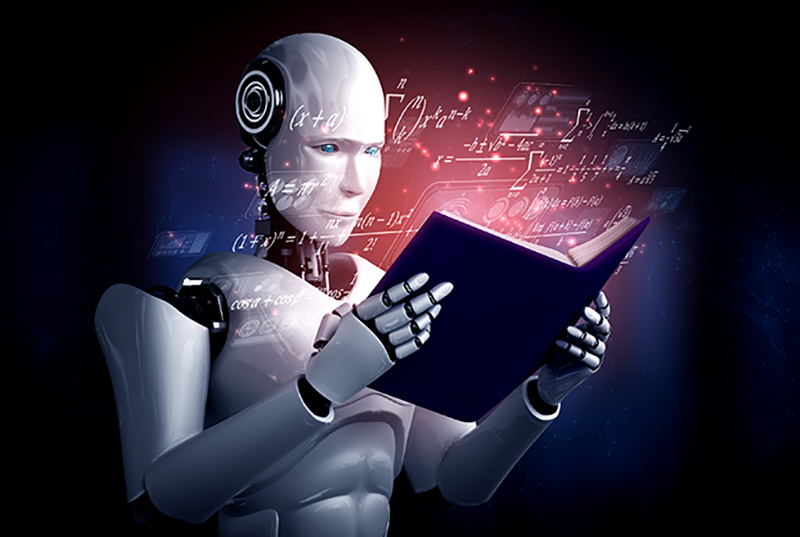
Artificial intelligence is steadily reshaping how science, technology, engineering, and mathematics are taught and learned. The integration of AI applications in STEM classrooms is not just a trend—it’s a transformative movement that is changing the educational landscape. From personalized learning to automated assessment, AI is helping educators and students navigate complex concepts with greater efficiency and engagement.
As schools and universities adopt more digital tools, understanding how AI supports STEM education is essential for teachers, administrators, and parents. This article explores the most impactful uses of artificial intelligence in STEM learning environments, highlighting both the opportunities and the challenges that come with this technological shift.
For those interested in the intersection of AI and advanced technology, you might also find value in exploring how AI identifies the type of fuel used in a missile launch, which demonstrates the broader impact of artificial intelligence beyond the classroom.
How Artificial Intelligence Is Transforming STEM Education
The adoption of AI in educational settings is accelerating, particularly in STEM subjects where data analysis, modeling, and problem-solving are core skills. AI-powered platforms can analyze student performance, adapt content delivery, and even offer real-time feedback. These capabilities are making STEM subjects more accessible and engaging for diverse learners.
Instructors are leveraging AI to automate routine tasks such as grading quizzes or monitoring student progress. This automation frees up valuable time, allowing teachers to focus on more meaningful interactions and hands-on activities. Additionally, AI-driven simulations and virtual labs provide students with opportunities to experiment and learn in safe, controlled environments.
Personalized Learning Through AI in STEM Subjects
One of the most significant benefits of AI applications in STEM classrooms is the ability to personalize learning experiences. AI algorithms can assess each student’s strengths, weaknesses, and learning pace, then tailor content and assignments accordingly. This individualized approach helps students master foundational concepts before progressing to more advanced material.
- Adaptive learning platforms adjust lesson difficulty based on real-time performance data.
- Intelligent tutoring systems provide targeted support and hints when students struggle with specific problems.
- Automated feedback enables students to learn from mistakes instantly, reinforcing key concepts.
These personalized tools not only improve student outcomes but also boost confidence and motivation, particularly for learners who may find STEM subjects challenging.
Enhancing Collaboration and Critical Thinking
AI is also fostering collaboration and critical thinking in STEM education. Group projects can be managed more effectively with AI-powered platforms that track contributions and suggest ways to improve teamwork. Some systems even facilitate peer review, allowing students to evaluate each other’s work using AI-generated rubrics.
Furthermore, AI-driven simulations and modeling tools encourage students to experiment, hypothesize, and analyze results. These activities develop essential skills such as problem-solving, data interpretation, and logical reasoning—abilities that are crucial for success in STEM fields.
Automated Assessment and Efficient Grading
Grading assignments, quizzes, and exams in STEM subjects can be time-consuming, especially in large classes. AI-powered assessment tools can automatically grade multiple-choice, fill-in-the-blank, and even some open-ended responses. This not only saves time for educators but also ensures consistency and fairness in evaluation.
Some advanced systems can analyze written explanations or code submissions, providing detailed feedback on logic, structure, and accuracy. This rapid feedback loop helps students identify areas for improvement and allows teachers to intervene early if a student is struggling.
Addressing Challenges and Ethical Considerations
While the benefits of artificial intelligence in education are clear, there are also challenges to consider. Data privacy, algorithmic bias, and the need for digital literacy among both students and teachers are ongoing concerns. It’s essential for schools to implement robust data protection policies and ensure that AI systems are transparent and fair.
Teachers must also receive adequate training to effectively integrate AI tools into their curriculum. Without proper support, the technology may not reach its full potential or could even widen existing educational gaps.

Real-World Examples of AI in STEM Learning Environments
Across the globe, educational institutions are piloting and adopting AI-powered solutions to enhance STEM instruction. For instance, some high schools use AI-driven platforms to help students practice coding, while universities employ machine learning tools to analyze large data sets in research projects.
In robotics clubs and engineering courses, AI is used to design, simulate, and test prototypes before building physical models. These real-world applications not only prepare students for future careers but also make STEM subjects more engaging and relevant.
For a broader perspective on how artificial intelligence is empowering the next generation of STEM learners, see this in-depth analysis of AI’s role in STEM education.
Preparing Educators and Students for the Future
As AI becomes more integrated into STEM classrooms, ongoing professional development for teachers is crucial. Educators need to understand both the technical and pedagogical aspects of these tools to use them effectively. Workshops, online courses, and peer collaboration can help teachers stay current with the latest advancements.
Students, meanwhile, benefit from learning not just how to use AI-powered tools, but also how these technologies work. Incorporating lessons on machine learning, data ethics, and algorithmic thinking into STEM curricula will help prepare the next generation for a rapidly changing workforce.
Frequently Asked Questions
What are the most common uses of AI in STEM classrooms?
The most frequent uses include personalized learning platforms, automated grading, intelligent tutoring systems, and AI-driven simulations. These tools help tailor instruction, provide instant feedback, and support hands-on experimentation.
How does AI improve student engagement in STEM subjects?
By adapting to individual learning styles and offering interactive experiences, AI makes STEM topics more accessible and interesting. Gamified learning modules, real-time feedback, and collaborative projects powered by AI all contribute to higher engagement.
What challenges do educators face when implementing AI in STEM education?
Key challenges include ensuring data privacy, addressing potential biases in AI algorithms, and providing adequate training for teachers. Schools must also consider the digital divide and ensure all students have access to necessary technology.