

The integration of artificial intelligence into long-range ballistic missile defense systems is transforming how nations detect, track, and neutralize evolving threats. As missile technology becomes more advanced and adversaries employ increasingly complex tactics, traditional defense mechanisms face significant limitations. AI-powered solutions offer a new level of speed, precision, and adaptability, making them vital for modern defense strategies.
This article explores the main benefits of AI for long-range ballistic missile defense, including improvements in threat detection, decision-making, and system resilience. We’ll also highlight how these advancements are shaping the future of missile defense and reference related developments in the field.
For a deeper dive into how AI supports each stage of the missile defense process, see how ai manages the transition from detection to engagement.
AI-Driven Threat Detection and Early Warning
One of the most significant advantages of AI in missile defense is the ability to process vast amounts of sensor data in real time. Modern missile threats can travel at hypersonic speeds and use evasive maneuvers, making early detection critical. AI algorithms excel at analyzing radar, satellite, and infrared data to identify potential threats faster and more accurately than traditional systems.
By recognizing subtle patterns and anomalies, AI can distinguish between genuine missile launches and decoys or false alarms. This reduces the risk of unnecessary countermeasures and ensures that defense resources are deployed only when truly needed. The result is a more reliable and efficient early warning system that can adapt to new threat types as they emerge.
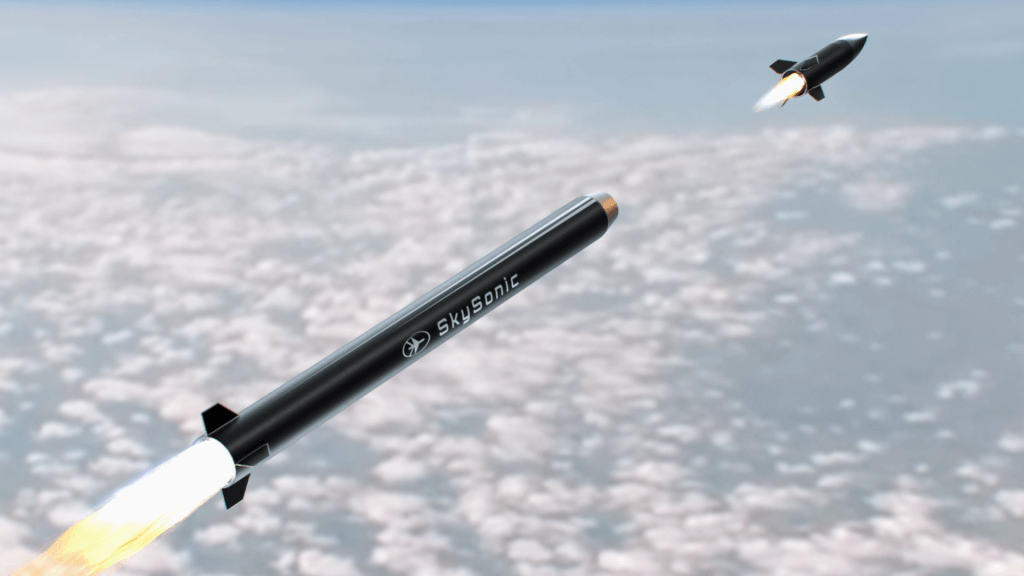
Enhanced Tracking and Target Discrimination
Once a threat is detected, tracking its trajectory and distinguishing it from other objects becomes essential. AI-powered tracking systems use machine learning to predict missile flight paths, even when adversaries employ countermeasures like maneuverable reentry vehicles or chaff. This enables defense networks to maintain a continuous lock on incoming threats, improving the likelihood of successful interception.
AI also plays a crucial role in target discrimination. By analyzing sensor signatures and flight behaviors, AI can identify which objects are actual warheads and which are decoys. This capability is especially important for long-range scenarios, where multiple objects may be present in the battlespace. For more on how AI pinpoints vulnerabilities in incoming missiles, refer to how ai identifies vulnerable points in incoming missiles.
Accelerated Decision-Making and Response
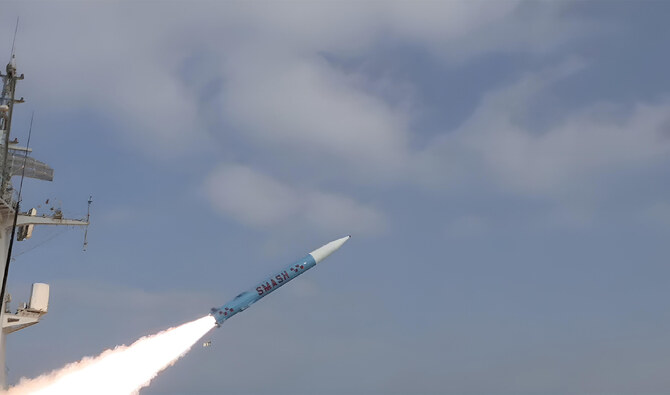
Speed is critical in missile defense. Human operators, even with advanced tools, may struggle to process information and make decisions within the narrow timeframes required to intercept long-range threats. AI systems can analyze data, evaluate possible responses, and recommend or even initiate actions within milliseconds.
This rapid decision-making capability allows for more effective engagement of incoming missiles, reducing the risk of successful attacks. AI can also coordinate multiple defense assets—such as interceptors, radars, and communication networks—ensuring that the right resources are deployed at the right time.
System Resilience and Adaptability
Missile defense environments are dynamic, with threats evolving rapidly. AI brings adaptability by continuously learning from new data and adjusting its algorithms to counter novel tactics. This resilience is vital for staying ahead of adversaries who may attempt to exploit weaknesses in static defense systems.
AI-driven systems can also detect and respond to cyber threats targeting missile defense networks. By monitoring for unusual activity and automatically implementing countermeasures, AI helps protect critical infrastructure from digital attacks, ensuring the integrity of defense operations.
Resource Optimization and Cost Efficiency
Deploying interceptors and other defense assets is expensive. AI helps optimize the use of these resources by prioritizing threats based on their likelihood of success and potential impact. This targeted approach reduces unnecessary expenditures and extends the operational lifespan of defense systems.
Additionally, AI can simulate a wide range of attack scenarios, enabling defense planners to test and refine strategies without the need for costly live exercises. This not only saves money but also accelerates the development of more effective countermeasures.
Integration with Multi-Layered Defense Networks
Modern missile defense relies on a layered approach, combining various sensors, interceptors, and command systems. AI acts as the connective tissue between these layers, facilitating seamless data sharing and coordinated responses. This integration enhances overall system performance and reduces the risk of gaps in coverage.
For example, AI can help coordinate the deployment of decoy flares and other countermeasures, as discussed in how ai optimizes the deployment of decoy flares. By managing multiple defense elements in real time, AI ensures that each layer contributes effectively to the overall mission.
Real-World Developments and Future Trends
The defense sector is already witnessing the impact of AI in missile defense. According to recent advancements in missile technology and AI integration, leading nations are investing heavily in AI research to maintain a strategic edge. These efforts include the development of autonomous interceptors, smarter sensor arrays, and adaptive command systems.
As AI continues to evolve, future missile defense systems are expected to become even more autonomous, resilient, and capable of countering emerging threats. Ongoing collaboration between defense agencies, technology companies, and research institutions will be key to realizing the full potential of AI in this domain.
Related Applications and Broader Impact
The principles and technologies driving AI-powered missile defense are also influencing other areas of military and civilian security. For instance, AI is being used to identify the type of fuel used in missile launches, which can provide valuable intelligence on adversary capabilities. Learn more about this application in how ai identifies the type of fuel used in a missile launch.
Similarly, AI’s role in theater-level missile defense systems demonstrates its versatility across different operational scales. For further reading, see benefits of ai for theater-level missile defense.
FAQ
How does AI improve the accuracy of missile interception?
AI enhances interception accuracy by rapidly analyzing sensor data to predict missile trajectories and distinguish real threats from decoys. Machine learning models continuously refine their predictions based on new information, allowing defense systems to make more precise targeting decisions.
Can AI help defend against hypersonic missiles?
Yes, AI is particularly valuable against hypersonic threats due to its ability to process data and make decisions at speeds beyond human capability. By tracking fast-moving objects and adapting to unpredictable flight paths, AI increases the chances of intercepting hypersonic missiles.
What are the main challenges in deploying AI for missile defense?
Key challenges include ensuring the reliability and security of AI algorithms, integrating AI with legacy defense systems, and addressing ethical concerns around autonomous decision-making. Ongoing research and rigorous testing are essential to overcome these hurdles and maximize the benefits of AI in this field.