
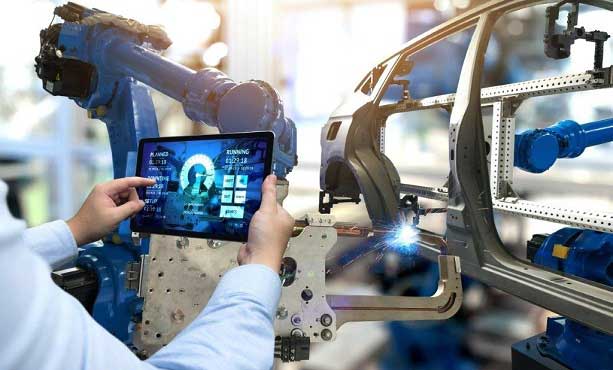
The manufacturing sector is undergoing a rapid transformation as digital technologies reshape how businesses operate. Among these innovations, AI powered production analytics is emerging as a critical driver for operational excellence, efficiency, and competitiveness. By leveraging artificial intelligence and advanced data analytics, organizations can unlock new levels of insight, automate complex processes, and make better-informed decisions on the factory floor and beyond.
This article explores how intelligent analytics tools are changing production management, the core benefits for manufacturers, and practical steps for implementation. We’ll also touch on real-world applications, integration challenges, and the future outlook for AI-driven analytics in industrial settings. For those interested in related advances, you may also want to read about how AI manages the transition from detection to engagement in complex systems.
Understanding Intelligent Analytics in Manufacturing
AI powered production analytics refers to the use of artificial intelligence, machine learning, and data science techniques to analyze manufacturing data and generate actionable insights. Unlike traditional reporting tools, these systems can process vast amounts of real-time and historical data, identify patterns, predict outcomes, and recommend optimal actions.
Key components include:
- Data Collection: Sensors, IoT devices, and enterprise systems gather data from machines, processes, and supply chains.
- Data Integration: Information from multiple sources is unified for analysis, often in cloud-based platforms.
- Advanced Analytics: AI algorithms detect trends, anomalies, and root causes, enabling predictive and prescriptive insights.
- Visualization & Reporting: Dashboards and alerts present findings in accessible formats for decision makers.
By automating complex analyses, these solutions help manufacturers move from reactive to proactive management, reducing downtime and optimizing resource allocation.
Key Benefits of AI-Driven Analytics for Production
Adopting intelligent analytics in manufacturing brings a range of advantages:
- Improved Efficiency: Automated monitoring and predictive maintenance reduce unplanned downtime and increase equipment utilization.
- Enhanced Quality Control: AI models can detect subtle defects or process deviations, supporting higher product quality and consistency.
- Cost Reduction: Optimized scheduling, inventory management, and energy consumption lead to significant cost savings.
- Faster Decision Making: Real-time insights empower managers to act quickly, minimizing delays and bottlenecks.
- Scalability: As operations grow, AI-powered systems can handle increasing data volumes without manual intervention.
According to industry research on AI in manufacturing, companies leveraging these technologies often see measurable improvements in productivity, safety, and customer satisfaction.
How AI-Powered Analytics Supports Smarter Decision Making
The ability to make fast, accurate decisions is essential in modern manufacturing. AI-powered analytics platforms support this goal by:
- Providing Predictive Insights: Machine learning models forecast equipment failures, demand fluctuations, and supply chain disruptions, allowing for preemptive action.
- Automating Routine Decisions: Systems can autonomously adjust machine settings, reorder materials, or reroute workflows based on real-time data.
- Enabling Data-Driven Strategy: Executives can base strategic planning on robust analytics rather than intuition or outdated reports.
For example, a manufacturer might use AI analytics to identify which production lines are most prone to defects, then automatically schedule maintenance or adjust parameters to minimize waste. This approach not only improves operational outcomes but also frees up staff to focus on higher-value tasks.
Real-World Applications and Use Cases
AI-powered analytics is already making a significant impact across various manufacturing domains. Some practical applications include:
- Predictive Maintenance: Sensors and AI models monitor machinery health, predicting failures before they occur and reducing costly downtime.
- Process Optimization: Continuous data analysis helps fine-tune production parameters for maximum yield and minimal energy use.
- Supply Chain Visibility: AI tracks inventory, demand, and logistics in real time, supporting just-in-time manufacturing and reducing stockouts.
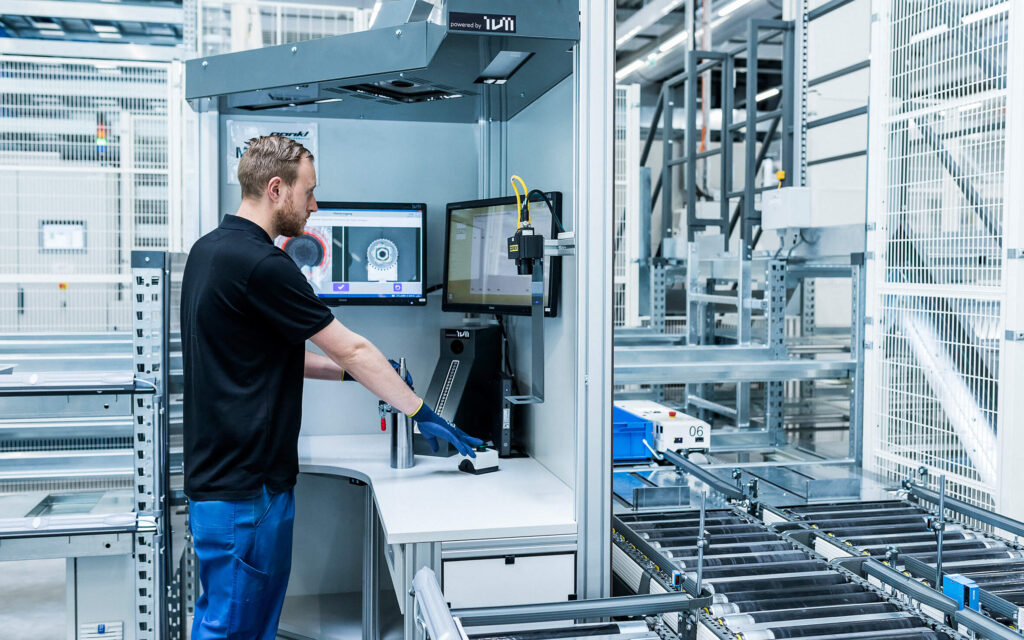
- Quality Assurance: Computer vision and analytics detect product defects on the line, ensuring only high-quality goods reach customers.
These use cases demonstrate how AI-powered analytics can be tailored to address specific challenges, whether in automotive, electronics, pharmaceuticals, or other sectors.
Implementation Considerations and Challenges
While the benefits are clear, integrating AI-powered analytics into production environments presents several challenges:
- Data Quality: Incomplete, inconsistent, or siloed data can limit the effectiveness of AI models.
- Change Management: Employees may need training to trust and use new analytics tools effectively.
- Integration Complexity: Connecting legacy equipment and disparate IT systems requires careful planning and investment.
- Security and Privacy: Protecting sensitive production data from cyber threats is essential.
Organizations should start with pilot projects, focusing on high-impact areas and gradually scaling up as capabilities mature. Collaboration between IT, operations, and data science teams is crucial for success.
For those interested in related technological advances, consider exploring how AI contributes to space situational awareness and other high-stakes environments.
The Future of AI-Driven Analytics in Manufacturing
As AI technologies continue to evolve, their role in production analytics will only expand. Future trends may include:
- Greater Automation: Fully autonomous factories where AI systems manage everything from scheduling to quality control.
- Edge Computing: Real-time analytics performed directly on the shop floor, reducing latency and bandwidth needs.
- Collaborative AI: Human-AI partnerships where workers and intelligent systems jointly optimize processes.
- Industry-Wide Data Sharing: Secure platforms for sharing anonymized production data to benchmark performance and drive innovation.
Manufacturers that invest in AI-powered production analytics today will be well positioned to lead in this increasingly data-driven landscape.
Frequently Asked Questions
What types of data are needed for AI-powered analytics in manufacturing?
Effective analytics require a mix of real-time sensor data, machine logs, production records, supply chain information, and quality metrics. The more comprehensive and accurate the data, the better the insights AI can provide.
How quickly can manufacturers see results from implementing AI analytics?
Many organizations begin to see benefits such as reduced downtime or improved quality within months of deploying pilot projects. Full-scale transformation may take longer, depending on the complexity of integration and change management.
Are AI-powered analytics solutions suitable for small and medium manufacturers?
Yes, many modern analytics platforms are scalable and can be tailored to the needs and budgets of smaller operations. Cloud-based solutions, in particular, lower the barriers to entry for businesses of all sizes.