
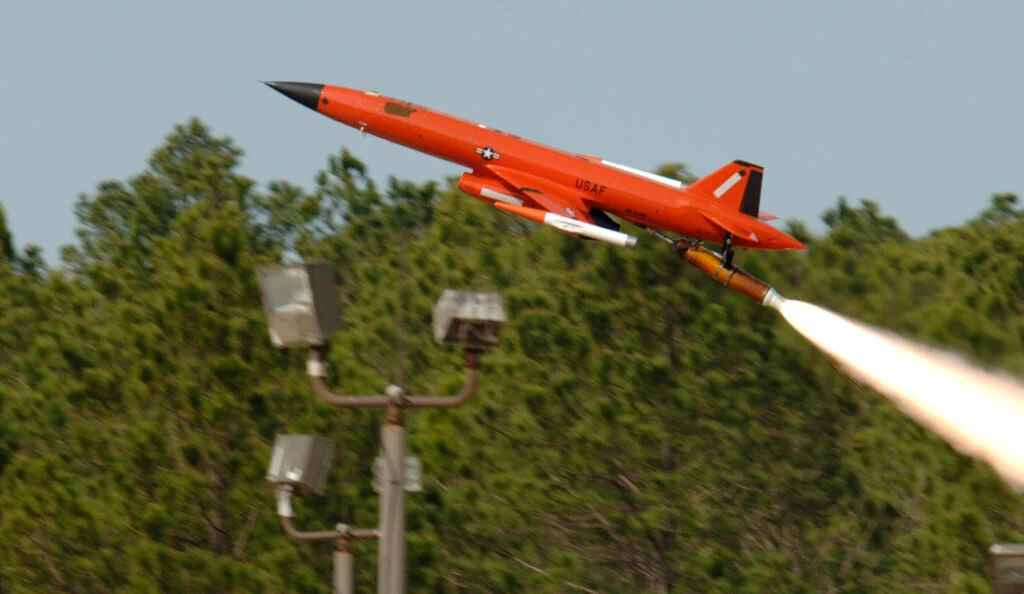
Missile tracking systems have evolved rapidly over the past few decades, with artificial intelligence (AI) now playing a transformative role in how threats are detected, tracked, and intercepted. Understanding the difference between traditional and AI missile tracking is crucial for defense professionals, technology enthusiasts, and anyone interested in the future of military technology. This article explores how conventional tracking methods compare to AI-driven solutions, highlighting their unique strengths, limitations, and the impact on modern defense strategies.
As missile threats become more sophisticated, the need for advanced tracking and response systems has never been greater. AI-based systems are increasingly integrated into defense networks, offering new capabilities that go beyond the reach of legacy technologies. For a deeper dive into how AI is reshaping the entire engagement process, see our guide on how ai manages the transition from detection to engagement.
Core Principles of Conventional Missile Tracking
Traditional missile tracking relies on established sensor technologies and rule-based algorithms. These systems typically use a combination of radar, infrared, and optical sensors to detect and follow incoming threats. The process involves several key steps:
- Detection: Sensors identify objects that may be potential missiles.
- Tracking: Algorithms calculate the trajectory and speed based on sensor data.
- Classification: The system attempts to distinguish between missiles, decoys, and other objects using pre-defined criteria.
- Engagement: Once a threat is confirmed, the system coordinates with interceptors or countermeasures.
These legacy systems are highly reliable in controlled environments but can struggle with fast-evolving threats, cluttered backgrounds, or adversaries using advanced evasion tactics. Their performance is tightly linked to the quality and quantity of sensor data, as well as the speed of their rule-based processing.
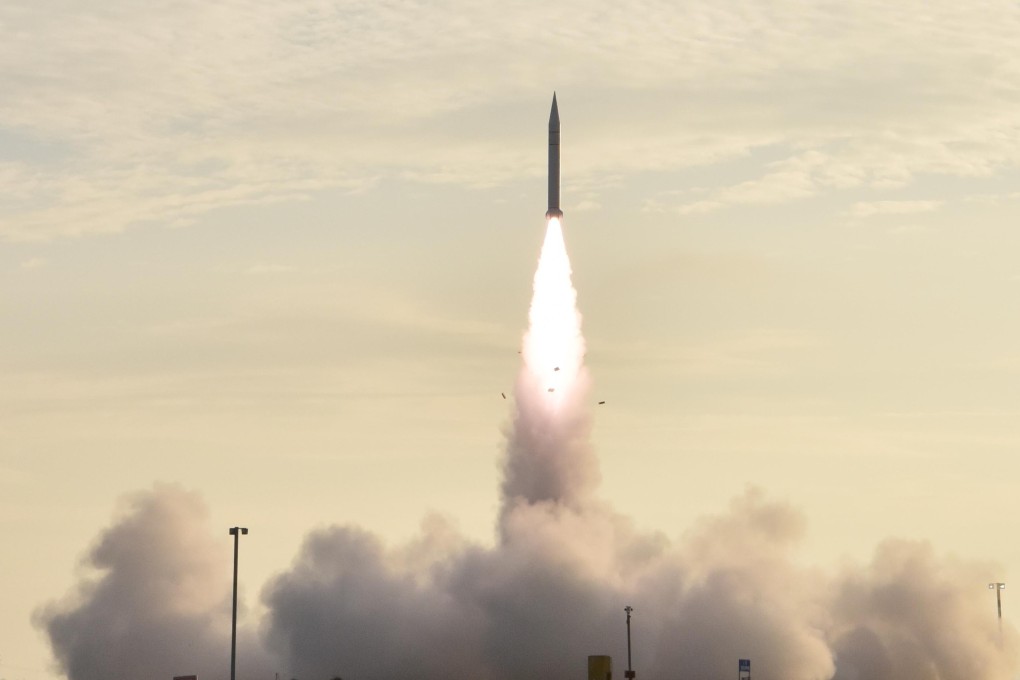
How AI Is Transforming Missile Tracking
AI-driven missile tracking introduces machine learning, neural networks, and advanced data fusion techniques to the process. Instead of relying solely on pre-programmed rules, these systems can learn from vast datasets, adapt to new scenarios, and recognize patterns that would be missed by traditional algorithms.
Key features of AI-based tracking include:
- Adaptive Learning: AI systems continuously improve by analyzing new data, making them more effective against novel threats.
- Multisensor Fusion: AI can combine inputs from radar, satellites, infrared, and other sources in real time, providing a more accurate picture of the battlespace.
- Rapid Decision-Making: Machine learning models can process complex scenarios far faster than human operators or rule-based software.
- Resilience to Deception: AI algorithms are better equipped to identify decoys, jamming, and stealth tactics by recognizing subtle anomalies in sensor data.
For example, AI can help identify vulnerable points in incoming missiles, as discussed in our article on how ai identifies vulnerable points in incoming missiles. This capability is especially valuable when countering advanced threats that use unpredictable maneuvers or electronic countermeasures.
Key Differences Between Traditional and AI Missile Tracking
Understanding the difference between traditional and ai missile tracking requires a closer look at several critical aspects:
| Aspect | Conventional Tracking | AI-Driven Tracking |
|---|---|---|
| Data Processing | Rule-based, limited adaptability | Machine learning, adaptive and scalable |
| Sensor Integration | Often siloed, limited fusion | Real-time multisensor fusion |
| Response Time | Slower, operator-dependent | Faster, automated decision-making |
| Threat Recognition | Relies on known signatures | Can detect novel and ambiguous threats |
| Resilience to Countermeasures | Vulnerable to deception and jamming | More robust against sophisticated tactics |
These distinctions highlight why AI is becoming a cornerstone of next-generation missile defense systems. AI’s ability to adapt and learn makes it particularly valuable in scenarios where adversaries deploy new technologies or unexpected strategies.

Advantages and Limitations of Each Approach
Both conventional and AI-based missile tracking systems offer distinct benefits and face unique challenges:
Strengths of Traditional Systems
- Proven Reliability: Decades of operational use in various environments.
- Predictable Performance: Well-understood limitations and behaviors.
- Lower Complexity: Easier to maintain and certify for mission-critical applications.
Strengths of AI-Enhanced Tracking
- Superior Adaptability: Can handle emerging threats and complex scenarios.
- Faster Response: Reduces time from detection to engagement, which is vital for modern high-speed threats.
- Improved Accuracy: Multisensor fusion and pattern recognition reduce false positives and missed detections.
Limitations to Consider
- Traditional: Struggles with ambiguous or deceptive threats, limited by static rules.
- AI-Based: Requires large datasets for training, can be a “black box” with less transparent decision-making, and needs robust cybersecurity measures.
For a broader perspective on how AI is improving missile defense at scale, see our article on the benefits of ai for theater-level missile defense.
Real-World Applications and Future Trends
Modern defense organizations are increasingly integrating AI into their tracking and engagement systems. AI’s ability to process data from multiple sources—such as satellites, ground-based radars, and airborne sensors—enables more comprehensive situational awareness. This is especially important for countering hypersonic missiles, maneuverable reentry vehicles, and swarms of smaller threats.
Emerging research, such as the work described in sensing the invisible with AI-powered sensor fusion, demonstrates how machine learning can enhance detection and tracking even in cluttered or contested environments.
As adversaries develop new countermeasures and stealth technologies, AI’s role in missile tracking will only grow. Future systems are likely to feature even greater autonomy, real-time learning, and integration with other domains such as space and cyber defense. For more on AI’s impact in space, explore what is the role of ai in space situational awareness.
Frequently Asked Questions
What is the main difference between traditional and AI missile tracking?
The primary distinction lies in adaptability and processing. Traditional systems use rule-based algorithms and are limited to known threat patterns, while AI-powered solutions can learn from new data, adapt to novel threats, and process information from multiple sensors in real time.
Are AI-based tracking systems more accurate than conventional ones?
In many cases, yes. AI-driven systems can reduce false alarms and improve detection rates by analyzing complex patterns and fusing data from diverse sources. However, their accuracy depends on the quality of training data and ongoing system updates.
Can AI missile tracking systems operate independently?
Many modern AI systems are designed for high levels of autonomy, allowing them to detect, track, and even recommend engagement actions with minimal human intervention. However, human oversight remains important for critical decisions and to ensure accountability.
Conclusion
The difference between traditional and ai missile tracking is shaping the future of defense technology. While conventional systems offer reliability and predictability, AI introduces adaptability, speed, and enhanced accuracy—qualities essential for countering today’s advanced missile threats. As both approaches continue to evolve, integrating the strengths of each will be key to building resilient and effective defense networks.