
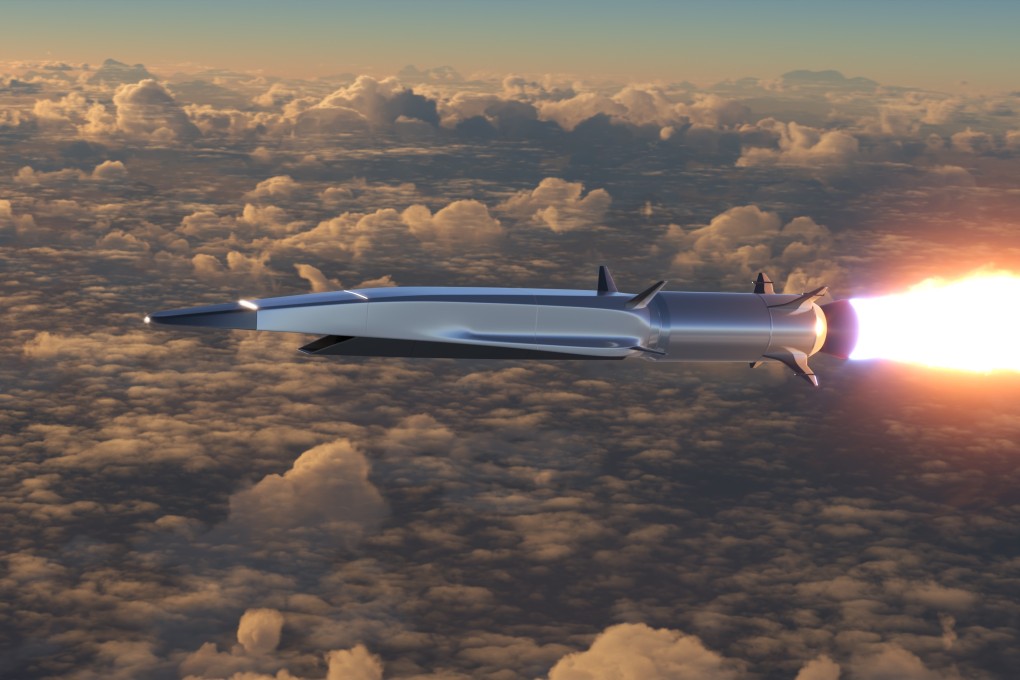
The landscape of military operations is undergoing a rapid transformation as artificial intelligence and automation become central to defense strategies. Among the most significant developments is autonomous kill chain completion, a concept that is reshaping how threats are detected, identified, and neutralized on the modern battlefield. This article explores the meaning, mechanisms, and implications of this emerging approach, offering a clear understanding for defense professionals, technologists, and anyone interested in the future of warfare.
As advanced systems integrate AI, sensor fusion, and predictive analytics, the speed and precision of military decision-making are reaching unprecedented levels. For a deeper look at how predictive analytics supports threat classification, see the role of predictive analytics in threat classification.
Understanding the Autonomous Kill Chain Process
Traditionally, the military kill chain refers to the sequence of steps required to find, fix, track, target, engage, and assess a threat. Each stage involves complex decisions, often requiring human intervention and coordination across multiple platforms. With the advent of automation, this process is evolving. Autonomous kill chain completion means that machines, powered by AI, can execute the entire sequence with minimal or no human input.
This shift is driven by the need for faster response times and greater accuracy in high-stakes environments. By leveraging real-time data from diverse sensors, advanced algorithms can rapidly process information, identify threats, and select appropriate responses. The result is a streamlined process that can outpace human decision-making, especially in scenarios where milliseconds matter.
Key Technologies Behind Automated Kill Chains
The completion of the kill chain by autonomous systems relies on several interlocking technologies:
- Artificial Intelligence and Machine Learning: These enable systems to analyze vast amounts of sensor data, recognize patterns, and make decisions without direct human oversight.
- Sensor Fusion: By combining inputs from radar, infrared, visual, and other sensors, machines gain a comprehensive situational picture. For a detailed explanation, refer to this overview of sensor fusion technology.
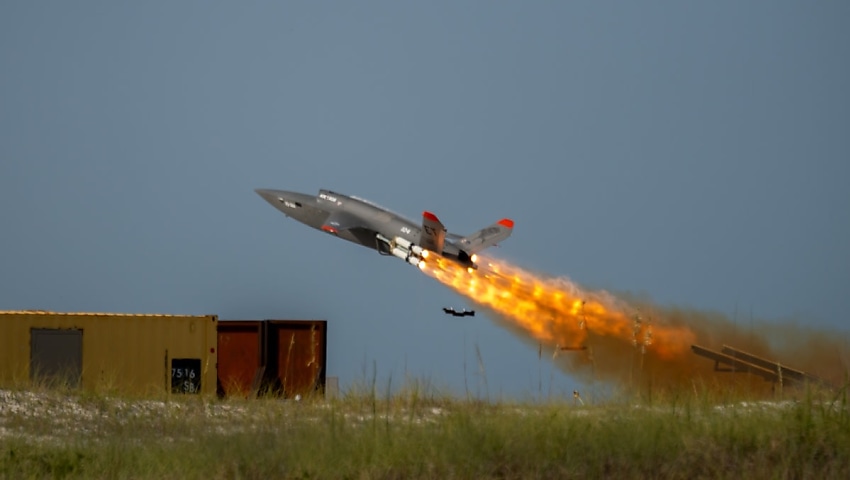
- Autonomous Platforms: Unmanned aerial vehicles (UAVs), ground vehicles, and naval assets can operate independently, carrying out missions from surveillance to engagement.
- Secure Communications: Robust, encrypted links ensure that data flows seamlessly between sensors, command centers, and autonomous weapons.
Together, these technologies allow for the rapid execution of the kill chain, often with little to no human intervention. This capability is especially valuable in contested environments where traditional communications may be disrupted.
How Autonomous Kill Chain Completion Changes Modern Warfare
The integration of automation into the kill chain is not just a technical upgrade—it represents a fundamental change in military doctrine and operational tempo. Some of the most notable impacts include:
- Speed: Automated systems can process information and act far faster than human operators, reducing the time from detection to engagement.
- Precision: AI-driven targeting reduces the risk of collateral damage by accurately identifying and engaging only legitimate threats.
- Scalability: Multiple autonomous platforms can operate simultaneously, covering larger areas and responding to more threats than would be possible with human crews alone.
- Resilience: Autonomous systems can continue operating even if communications with human controllers are lost, making them more robust in electronic warfare scenarios.
Challenges and Ethical Considerations
While the benefits of automated kill chains are clear, their adoption raises significant challenges and ethical questions. The delegation of life-and-death decisions to machines is a subject of intense debate. Key concerns include:
- Accountability: Determining responsibility for actions taken by autonomous systems can be complex, especially if mistakes occur.
- Reliability: AI algorithms are only as good as the data they are trained on. Errors in identification or targeting could have serious consequences.
- Escalation Risks: Faster decision cycles may increase the risk of unintended escalation, as automated systems could respond to perceived threats without human judgment.
- Legal and Moral Implications: International law and the rules of armed conflict may not yet fully address the use of autonomous weapons, creating a gray area for militaries and policymakers.
These concerns highlight the need for robust oversight, transparent algorithms, and clear rules of engagement when deploying such technologies.
Applications and Real-World Examples
Several nations are actively developing and testing systems capable of completing the kill chain autonomously. Examples include:
- Unmanned Combat Aerial Vehicles (UCAVs): Drones equipped with AI can independently search for, identify, and strike targets.
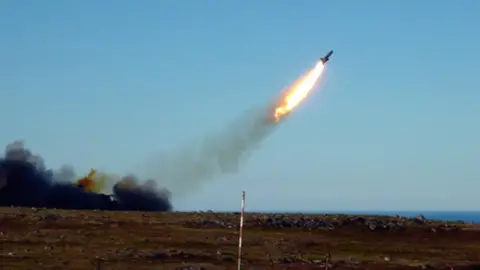
- Missile Defense Systems: Automated platforms can detect and intercept incoming threats in real time.
- Naval Autonomous Vessels: Ships that can patrol, detect, and engage threats without direct human control.
The integration of AI-driven sensor fusion for air defense is a key enabler for these applications, allowing platforms to operate with a high degree of autonomy and situational awareness.
Future Directions and Ongoing Research
As technology advances, the scope and sophistication of automated kill chain processes will continue to grow. Research is underway to improve the reliability, transparency, and ethical alignment of these systems. Collaboration between governments, industry, and academia is essential to ensure that the deployment of autonomous military technologies aligns with international norms and values.
For students and professionals interested in contributing to this field, there are numerous AI research opportunities for students that focus on defense, ethics, and advanced automation.
FAQ
What are the main stages of the kill chain in military operations?
The kill chain typically consists of six stages: find, fix, track, target, engage, and assess. Each step involves gathering intelligence, identifying and confirming a threat, selecting a response, and evaluating the outcome. Automation enables these steps to be performed more quickly and with less human intervention.
How does sensor fusion enhance autonomous kill chain completion?
Sensor fusion combines data from multiple sources—such as radar, cameras, and infrared sensors—to create a comprehensive view of the battlefield. This allows AI systems to make more accurate decisions, reducing false positives and improving targeting precision. For more details, see this detailed explanation of sensor fusion.
What ethical issues are associated with automated kill chains?
Key ethical concerns include accountability for machine-made decisions, the risk of unintended escalation, and compliance with international law. Ensuring that autonomous systems act within established legal and moral frameworks is a major challenge for militaries and policymakers.
Where can I learn more about AI and defense technology?
For further reading, explore topics like AI and STEM extracurricular activities or AI and interdisciplinary STEM learning to understand how the next generation is being prepared for advancements in defense automation.