
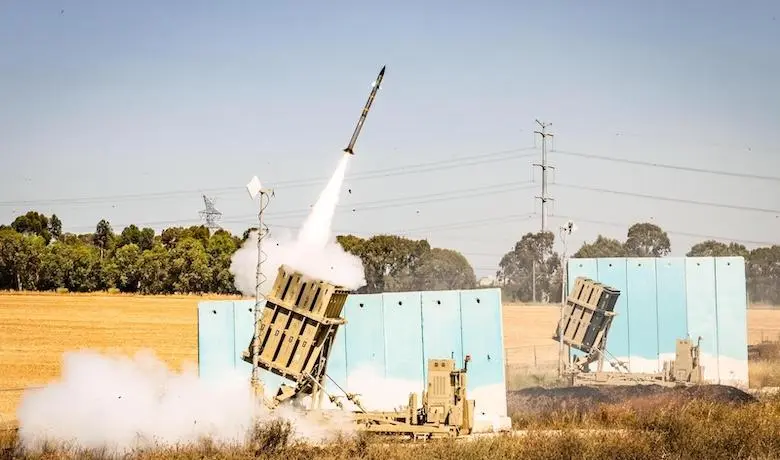
The rapid advancement of artificial intelligence is transforming the landscape of international security and defense. As nations integrate AI-driven technologies into their military and strategic arsenals, the balance of power and the effectiveness of deterrence strategies are evolving. Understanding the impact of AI on strategic deterrence stability is crucial for policymakers, defense analysts, and global leaders seeking to maintain peace and prevent escalation in an increasingly complex world.
This article explores how machine learning, automation, and intelligent systems are reshaping deterrence doctrines, influencing global stability, and presenting both opportunities and risks for the future of international relations. For those interested in the technical side of these advancements, our detailed overview of how ai identifies missile launch signatures from space provides further insights into real-world applications of AI in defense.
AI’s Role in Modern Deterrence Strategies
Traditional deterrence has relied on the threat of overwhelming retaliation, clear communication of intent, and the ability to detect and respond to hostile actions. The integration of artificial intelligence into defense systems is changing these dynamics in several key ways:
- Faster Decision-Making: AI enables rapid analysis of vast data streams, allowing for quicker threat assessment and response. This can reduce the risk of surprise attacks but may also compress decision timelines, increasing the chance of miscalculation.
- Enhanced Surveillance: Machine learning algorithms can process satellite imagery, radar data, and electronic signals far more efficiently than humans. This improves early warning capabilities and strengthens second-strike assurances, a cornerstone of nuclear deterrence.
- Autonomous Systems: The deployment of AI-powered drones, missile defense platforms, and unmanned vehicles introduces new variables into deterrence equations. These systems can operate at machine speed, potentially outpacing human oversight.
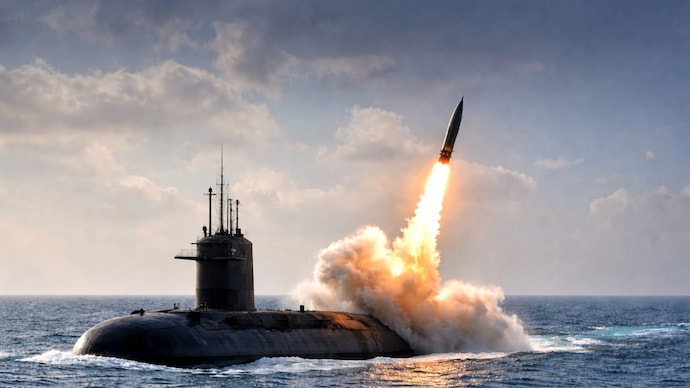
Shifting the Balance: How AI Affects Global Stability
The impact of AI on strategic deterrence stability is not limited to technological improvements. It also influences the broader geopolitical environment:
- Lowering the Threshold for Conflict: As AI systems become more autonomous, there is a risk that states may feel emboldened to take aggressive actions, believing that their advanced defenses will mitigate retaliation.
- Ambiguity and Uncertainty: The opacity of AI algorithms and the difficulty in verifying capabilities can lead to mistrust among nations. This uncertainty may undermine traditional signaling and increase the risk of escalation due to misinterpretation.
- Proliferation of Advanced Technologies: The spread of AI tools to more actors—including non-state groups—complicates the deterrence landscape and introduces new challenges for global stability.
For a deeper look at how AI is used to overcome technical barriers in missile tracking, see our article on how ai handles atmospheric interference in tracking.
Opportunities and Risks in AI-Driven Defense Systems
While the promise of AI in strengthening deterrence is significant, it is accompanied by substantial risks:
- Improved Missile Defense: AI-powered detection and interception systems can increase the reliability of missile shields. Recent developments, such as new AI tools for air defense, demonstrate how machine learning can counter advanced missile and drone threats.
- Escalation Dilemmas: The speed and autonomy of AI systems may lead to accidental engagements or unintended escalation, especially if human oversight is reduced.
- Vulnerability to Cyber Attacks: AI-enabled platforms are susceptible to hacking, spoofing, and data poisoning, which could undermine deterrence by introducing uncertainty about the reliability of response systems.
AI, Space-Based Surveillance, and Deterrence Stability
The use of AI in space-based missile warning and surveillance is a critical component of modern deterrence. By leveraging machine learning to analyze sensor data from satellites, nations can detect launches and track projectiles with unprecedented speed and accuracy. This enhances the credibility of second-strike capabilities and supports crisis stability.
For an in-depth guide on these technologies, see our guide to ai-driven space-based missile warning. These systems not only improve early warning but also contribute to transparency and confidence-building among rival states.
Managing the Risks: Policy and Governance Challenges
As AI becomes more embedded in strategic systems, international norms and agreements must adapt. Key areas for policy development include:
- Transparency and Communication: Establishing protocols for sharing information about AI capabilities can reduce uncertainty and prevent miscalculation.
- Human Oversight: Maintaining meaningful human control over critical decisions—especially those involving the use of force—is essential for accountability and ethical governance.
- International Cooperation: Collaborative efforts to set standards for AI use in military contexts can help prevent arms races and promote stability.
The intersection of AI and strategic deterrence will continue to evolve. Ongoing research, such as studies on how ai assists in post-launch damage assessment, highlights the need for adaptive policy frameworks that address both technological and human factors.
Frequently Asked Questions
How does artificial intelligence change traditional deterrence strategies?
AI introduces automation, speed, and enhanced data analysis to deterrence strategies, enabling faster threat detection and response. However, it also increases complexity and can reduce the time available for human decision-making, potentially raising the risk of unintended escalation.
What are the main risks of using AI in strategic defense systems?
Key risks include the potential for accidental conflict due to rapid, autonomous responses; vulnerabilities to cyber attacks and data manipulation; and the challenge of verifying AI capabilities, which can undermine trust between nations.
Can AI improve global stability, or does it make conflict more likely?
AI has the potential to enhance stability by improving surveillance and missile defense, making surprise attacks less likely. However, it can also lower the threshold for conflict and introduce new uncertainties, especially if not managed with robust oversight and international cooperation.