
The manufacturing sector is undergoing a rapid transformation as artificial intelligence (AI) becomes more deeply integrated into daily operations. From streamlining production lines to supporting decision-making, AI is reshaping how manufacturers approach efficiency and workforce management. Understanding how AI enhances worker productivity is essential for organizations looking to stay competitive and agile in a changing landscape.
By automating repetitive tasks, optimizing resource allocation, and providing real-time insights, AI-driven solutions empower workers to focus on higher-value activities. This shift not only increases output but also improves job satisfaction and safety. For those interested in the broader impact of AI on industrial systems, the article on how AI detects subtle anomalies in sensor telemetry offers additional context on intelligent automation in complex environments.
AI-Driven Automation and Its Impact on Shop Floors
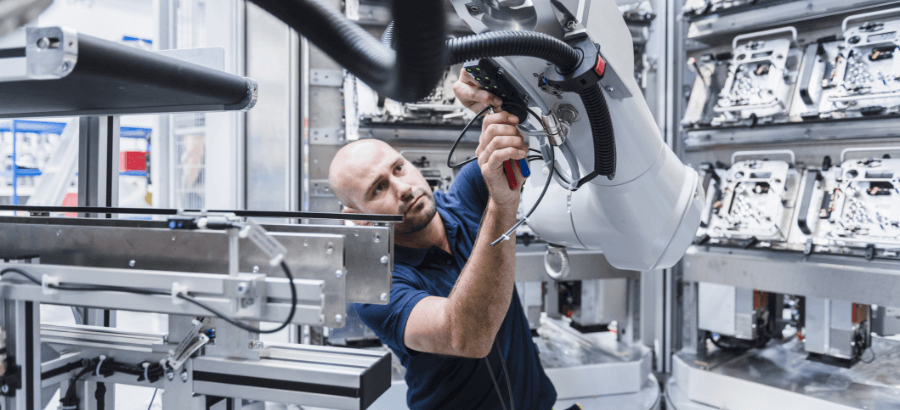
One of the most significant ways AI improves efficiency in manufacturing is through automation. Robotic process automation (RPA) and machine learning algorithms can handle repetitive, time-consuming tasks such as assembly, inspection, and packaging. This reduces the burden on human workers and allows them to focus on complex problem-solving and quality control.
Additionally, AI-powered robots and cobots (collaborative robots) work alongside employees, increasing throughput and minimizing errors. These systems can adapt to changes in production schedules and learn from historical data to optimize workflows. As a result, manufacturers experience fewer bottlenecks and improved consistency across production lines.
Enhancing Decision-Making with Predictive Analytics
AI systems excel at analyzing large volumes of data generated by sensors, machines, and enterprise resource planning (ERP) platforms. By leveraging predictive analytics, manufacturers can anticipate equipment failures, forecast demand, and optimize inventory levels. This proactive approach minimizes downtime and ensures that resources are allocated efficiently.
For example, predictive maintenance tools use AI to monitor machinery health and alert technicians before a breakdown occurs. This not only extends the lifespan of equipment but also reduces unplanned outages, enabling workers to plan their tasks more effectively.

Supporting Workers with Intelligent Assistance
AI-powered tools are not just about automation—they also provide direct support to human workers. Intelligent assistants, such as augmented reality (AR) headsets and voice-guided systems, offer step-by-step instructions, real-time troubleshooting, and instant access to technical documentation. This guidance helps reduce training time and enables less experienced employees to perform complex tasks with confidence.
Furthermore, AI can personalize recommendations for individual workers based on their skill levels and performance data. By tailoring support, these systems help employees grow their expertise and adapt to new processes more quickly.
Optimizing Resource Allocation and Scheduling
Efficient resource management is crucial for maximizing productivity in manufacturing. AI algorithms analyze production data, workforce availability, and supply chain variables to create optimal schedules. This ensures that the right people and materials are in place when needed, reducing idle time and preventing delays.
Advanced scheduling systems can also respond dynamically to unexpected changes, such as equipment malfunctions or urgent orders. By reallocating resources in real time, AI helps maintain steady output and minimizes disruptions.
Improving Safety and Reducing Human Error
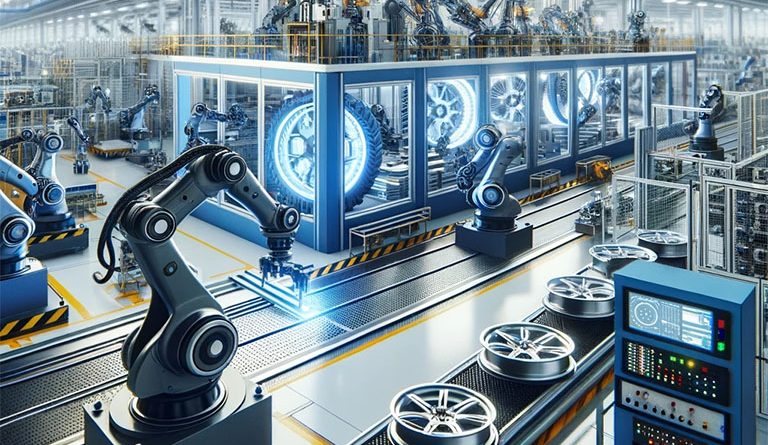
Workplace safety is a top priority in manufacturing, and AI contributes significantly to risk reduction. Computer vision systems monitor workspaces for unsafe behaviors, equipment malfunctions, or environmental hazards. When a potential issue is detected, the system can alert workers or automatically shut down machinery to prevent accidents.
By minimizing manual intervention and automating safety checks, AI reduces the likelihood of human error. This not only protects employees but also helps manufacturers comply with regulatory standards and avoid costly incidents.
Real-World Examples of AI-Driven Productivity Gains
Manufacturers across the globe are already seeing tangible benefits from deploying AI solutions. For instance, some automotive plants use AI-powered quality inspection systems to identify defects at a much higher accuracy rate than manual checks. Others leverage machine learning to optimize energy consumption, leading to both cost savings and environmental benefits.
According to industry research on AI in manufacturing, companies that invest in intelligent automation report faster production cycles, improved product quality, and higher employee satisfaction. These outcomes demonstrate the broad potential of AI to transform the manufacturing workforce.
Integrating AI with Existing Manufacturing Systems
Successfully adopting AI requires thoughtful integration with current technologies and workflows. Manufacturers should assess their data infrastructure, identify key pain points, and prioritize use cases that deliver the greatest value. Collaboration between IT, operations, and frontline workers is essential for smooth implementation and long-term success.
For organizations interested in the intersection of AI and advanced defense systems, the article on the impact of AI on interceptor hit-to-kill probability provides insights into how intelligent algorithms are shaping mission-critical applications.
Challenges and Considerations for Manufacturers
While the benefits of AI are substantial, manufacturers must navigate several challenges. Data quality, cybersecurity, and change management are common concerns. Ensuring that workers are adequately trained to collaborate with AI systems is also critical for maximizing productivity gains.
Open communication and ongoing education help build trust and acceptance among employees. By involving workers in the adoption process, manufacturers can foster a culture of innovation and continuous improvement.
FAQ: AI and Worker Productivity in Manufacturing
How does AI help reduce downtime in manufacturing plants?
AI-powered predictive maintenance tools monitor equipment health in real time, identifying potential issues before they cause breakdowns. By scheduling maintenance proactively, manufacturers can avoid unexpected downtime and keep production lines running smoothly.
Can AI improve job satisfaction for manufacturing workers?
Yes, AI takes over repetitive and physically demanding tasks, allowing workers to focus on more engaging and value-added activities. Intelligent assistance tools also provide real-time support, reducing stress and enabling employees to develop new skills.
What are the first steps to implementing AI in a manufacturing environment?
Start by assessing your current data infrastructure and identifying processes that would benefit most from automation or intelligent analytics. Engage stakeholders from across the organization, invest in training, and consider pilot projects to demonstrate value before scaling up.
Conclusion
The integration of artificial intelligence into manufacturing operations is fundamentally changing the way work is performed. By automating routine tasks, supporting decision-making, and enhancing safety, AI empowers workers and drives significant productivity gains. As technology continues to evolve, manufacturers that embrace intelligent solutions will be better positioned to adapt, compete, and thrive in the years ahead.