

The integration of virtual assistants in education is transforming how students, teachers, and administrators interact with learning environments. These AI-powered tools are designed to streamline tasks, personalize learning experiences, and provide real-time support, making education more accessible and efficient. As technology continues to evolve, understanding the role and impact of digital assistants in academic settings is essential for educators and learners alike.
From automating administrative processes to enhancing student engagement, virtual assistants are becoming indispensable in modern classrooms. They offer tailored feedback, answer questions instantly, and help manage schedules, freeing up valuable time for both instructors and students. For those interested in the broader implications of AI, exploring topics such as how AI manages the transition from detection to engagement can provide additional context on the expanding influence of artificial intelligence across various sectors.
Understanding AI-Powered Tools in Academic Settings
The use of AI-driven assistants in schools and universities spans a wide range of applications. These tools leverage natural language processing and machine learning to interpret queries, provide answers, and even predict student needs. Whether embedded in learning management systems or available as standalone apps, their primary goal is to support educational outcomes while reducing manual workload.
Some common functions include:
- Answering frequently asked questions about assignments, schedules, or campus resources
- Offering personalized study recommendations based on student performance
- Assisting with language translation for multilingual classrooms
- Automating reminders for deadlines and events
By handling routine inquiries, these assistants allow educators to focus on more complex teaching tasks and foster deeper student engagement.
Key Benefits of Virtual Assistants for Students and Educators
The advantages of integrating virtual assistants in education are evident in both day-to-day operations and long-term learning outcomes. Some of the most significant benefits include:
- 24/7 Accessibility: Students can access information and support outside traditional classroom hours, promoting independent learning.
- Personalized Learning: AI-driven assistants can adapt to individual learning styles, offering customized resources and feedback.
- Administrative Efficiency: Automating repetitive tasks, such as attendance tracking or grade calculations, saves time for educators and staff.
- Enhanced Engagement: Interactive features, such as quizzes and instant feedback, keep students motivated and involved in their studies.
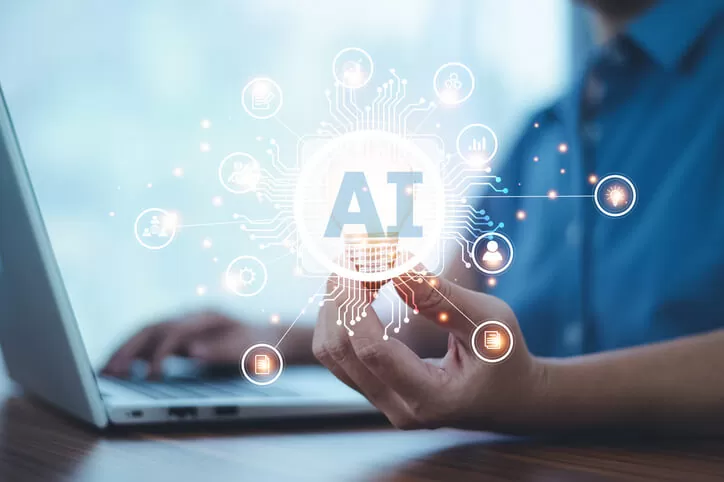
For educational institutions, adopting these technologies can also lead to cost savings and improved resource allocation. By automating routine communications and administrative functions, schools can redirect efforts toward curriculum development and student support services.
Challenges and Considerations When Implementing Digital Assistants
While the benefits are substantial, there are also important challenges to address when deploying AI assistants in academic environments. Privacy concerns, data security, and the need for ongoing technical support are among the top considerations for educators and administrators.
Key challenges include:
- Data Privacy: Protecting sensitive student information is paramount. Institutions must ensure compliance with regulations and implement robust security measures.
- Bias and Accuracy: AI systems can inadvertently reinforce biases present in training data. Regular audits and updates are necessary to maintain fairness and accuracy.
- Technical Integration: Seamless integration with existing platforms and workflows requires careful planning and collaboration with IT departments.
- Digital Literacy: Both students and staff may need training to effectively use and trust these new tools.
Addressing these challenges requires a balanced approach that prioritizes transparency, ethical use, and ongoing evaluation of AI-powered solutions.
Popular Use Cases for Virtual Assistants in Learning
The practical applications of virtual assistants in education continue to expand as technology advances. Some of the most impactful use cases include:
- Homework Help: AI chatbots can provide instant explanations and resources for difficult concepts, supporting students outside classroom hours.
- Language Learning: Virtual tutors offer pronunciation feedback, vocabulary practice, and conversation simulations for language learners.
- Administrative Support: Automated systems handle scheduling, notifications, and document management, reducing administrative burdens.
- Accessibility Tools: Assistants can transcribe lectures, convert text to speech, and translate materials, making education more inclusive.
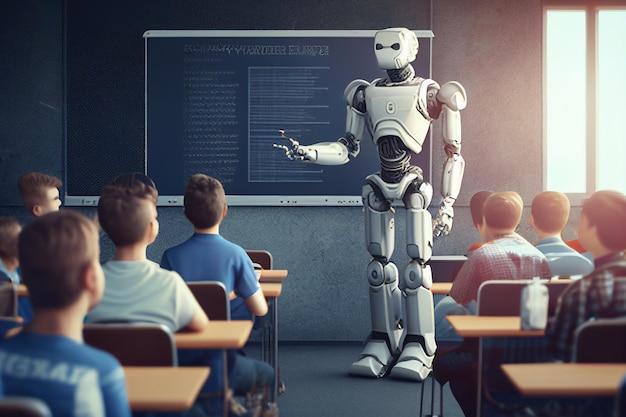
These examples illustrate how digital assistants are not only enhancing learning outcomes but also supporting the operational needs of educational institutions.
Future Trends and the Evolving Role of AI in Schools
Looking ahead, the role of AI-driven assistants in education is expected to grow even further. As machine learning models become more sophisticated, these tools will offer deeper insights into student progress, identify at-risk learners earlier, and suggest targeted interventions.
Emerging trends include:
- Predictive Analytics: Leveraging data to forecast student performance and recommend personalized learning paths.
- Voice-Activated Learning: Integrating voice assistants for hands-free access to educational content and classroom controls.
- Collaborative AI: Facilitating group projects and peer-to-peer learning through intelligent matchmaking and resource sharing.
For a deeper dive into the research and evolving landscape of AI in education, resources such as recent studies on the impact of virtual assistants in educational settings provide valuable insights.
Best Practices for Integrating Virtual Assistants in Academic Institutions
To maximize the benefits of digital assistants, educational leaders should consider the following best practices:
- Start Small: Pilot programs in select classrooms or departments before scaling up institution-wide.
- Engage Stakeholders: Involve teachers, students, and IT staff in the selection and implementation process to ensure buy-in and address concerns.
- Prioritize Training: Offer ongoing professional development to help users become comfortable and proficient with new tools.
- Monitor and Evaluate: Regularly assess the effectiveness of AI solutions and make adjustments based on feedback and outcomes.
By following these guidelines, schools and universities can foster a positive environment for innovation while safeguarding privacy and promoting digital literacy.
Frequently Asked Questions
What are virtual assistants in education used for?
They are primarily used to automate administrative tasks, provide personalized learning support, answer student queries, and assist with scheduling and reminders. Their goal is to enhance efficiency and improve the learning experience for both students and educators.
Are AI-powered assistants safe for student data?
When implemented with proper security protocols and compliance with data privacy regulations, these tools can be safe. Institutions should ensure regular audits and transparent data handling practices to protect sensitive information.
How can schools ensure effective use of digital assistants?
Success depends on clear communication, comprehensive training, and ongoing evaluation. Engaging all stakeholders and starting with pilot programs can help identify potential challenges and optimize the integration process.