

AI and STEM motivation has become a central topic in education and workforce development. As artificial intelligence continues to transform industries, understanding how it influences interest and engagement in science, technology, engineering, and mathematics is essential. Educators, parents, and policymakers are increasingly focused on how AI tools and learning experiences can inspire students to pursue STEM fields, address skills gaps, and prepare for future careers.
The integration of AI into classrooms and learning platforms is not just about teaching coding or robotics. It’s about leveraging intelligent technologies to personalize learning, foster curiosity, and make STEM subjects more accessible and engaging for all learners. This article explores the relationship between AI and student motivation in STEM, practical strategies for implementation, and the broader impact on education and society.
For those interested in the technical side of AI’s applications, the article on how AI helps manage electromagnetic spectrum dominance provides insight into advanced uses of artificial intelligence in complex environments.
The Role of Artificial Intelligence in Inspiring STEM Engagement
Artificial intelligence is reshaping the educational landscape by offering new ways to motivate students in STEM. Adaptive learning platforms use AI to tailor content to individual needs, helping learners progress at their own pace. These systems can identify gaps in understanding and provide targeted support, which boosts confidence and keeps students engaged.
AI-powered simulations and virtual labs allow students to experiment with scientific concepts in a risk-free environment. By making abstract ideas tangible, these tools help demystify challenging topics and make STEM subjects more approachable. For example, students can use AI-driven models to visualize chemical reactions, simulate engineering problems, or analyze real-world data sets.
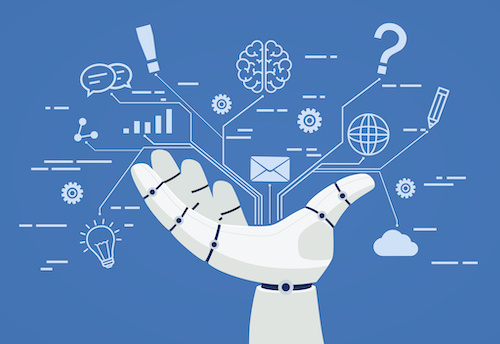
Moreover, AI can help educators identify students who may be losing interest or struggling in STEM classes. By analyzing engagement patterns and performance data, teachers can intervene early and provide personalized encouragement or resources. This proactive approach supports sustained motivation and helps prevent students from falling behind.
How AI Tools Foster Curiosity and Problem-Solving in STEM
One of the most significant benefits of integrating AI into STEM education is its ability to nurture curiosity and critical thinking. Intelligent tutoring systems and chatbots can answer student questions instantly, encouraging learners to explore topics more deeply. AI-driven project-based learning platforms guide students through real-world challenges, promoting hands-on problem-solving skills.
Gamification elements, such as badges, leaderboards, and adaptive challenges, are often powered by AI algorithms. These features make learning more interactive and rewarding, motivating students to persist through difficult material. When learners see their progress and achievements recognized, their intrinsic motivation to pursue STEM subjects grows.
AI also enables collaborative learning experiences. Students can work together on complex projects using AI-facilitated platforms that track contributions, suggest resources, and provide feedback. This teamwork mirrors the collaborative nature of modern STEM careers and prepares students for future workplace dynamics.
Addressing Equity and Access in STEM Motivation with AI
While AI offers many opportunities to enhance STEM engagement, it also raises important questions about equity and access. Not all students have the same access to technology or high-quality AI-powered resources. To ensure that the benefits of AI and STEM motivation reach all learners, schools and policymakers must address digital divides and invest in infrastructure.
Culturally responsive AI tools can help bridge gaps by providing content and examples that reflect diverse backgrounds and experiences. By making STEM subjects relevant to students’ lives, these tools foster a sense of belonging and increase motivation among underrepresented groups.
Professional development for teachers is also critical. Educators need training to effectively integrate AI into their classrooms and to use data-driven insights to support every student. When teachers feel confident using AI tools, they can create more inclusive and motivating STEM learning environments.
Real-World Applications and Career Pathways in AI and STEM
Connecting classroom learning to real-world applications is a powerful way to inspire students. AI is at the heart of many emerging fields, from healthcare and environmental science to aerospace and cybersecurity. By exposing students to these applications, educators can help them see the relevance of STEM skills and spark long-term interest.
Mentorship programs, internships, and partnerships with industry can further enhance motivation by providing students with firsthand experience in AI-driven workplaces. These opportunities help learners build professional networks and gain practical skills that are highly valued in the job market.
For more on how artificial intelligence is transforming complex systems, explore the article on what is the role of AI in space situational awareness for a look at advanced STEM applications.
Challenges and Considerations for Implementing AI in STEM Education
While the potential of AI to boost motivation in STEM is significant, implementation comes with challenges. Data privacy, ethical considerations, and the risk of algorithmic bias must be addressed to ensure that AI tools are used responsibly. Transparency in how AI systems make decisions is essential for building trust among students, parents, and educators.
Another consideration is the need for ongoing evaluation of AI-powered educational tools. Schools should regularly assess the impact of these technologies on student motivation, learning outcomes, and equity. Gathering feedback from students and teachers can guide improvements and ensure that AI continues to support positive educational experiences.
Collaboration between educators, technologists, and policymakers is key to overcoming these challenges. By working together, stakeholders can develop guidelines and best practices for using AI to inspire and sustain interest in STEM fields.
Future Trends: The Evolving Relationship Between AI and STEM Motivation
Looking ahead, the connection between artificial intelligence and motivation in STEM is expected to deepen. Advances in natural language processing, adaptive assessment, and immersive technologies like augmented reality will create even more personalized and engaging learning experiences.
As AI becomes more integrated into everyday life, STEM literacy will be increasingly important for all students—not just those pursuing technical careers. Educators will play a vital role in helping learners navigate this landscape, develop critical thinking skills, and become informed users and creators of AI technologies.
For further reading on how AI is shaping defense and aerospace, see the discussion on benefits of AI for theater-level missile defense.
Additional Resources and Further Reading
To explore more about how artificial intelligence is transforming education, visit Intel’s AI in Education resource for articles, case studies, and expert insights.
For those interested in the intersection of AI, motivation, and emerging technologies, related articles on this site cover topics such as how AI manages the transition from detection to engagement and how AI identifies vulnerable points in incoming missiles.
Frequently Asked Questions
How does AI personalize STEM learning for students?
AI-driven platforms analyze student performance and adapt content to individual learning needs. This personalization helps address knowledge gaps, maintain engagement, and support students at different skill levels, making STEM subjects more accessible and motivating.
What are the main benefits of using AI to encourage interest in STEM?
Key benefits include increased engagement through interactive simulations, instant feedback, and gamified learning experiences. AI also enables early identification of students who need support, fosters collaboration, and connects classroom learning to real-world applications.
Are there risks or challenges associated with AI in STEM education?
Yes, challenges include ensuring data privacy, addressing potential bias in AI algorithms, and providing equitable access to technology. Ongoing evaluation and transparent practices are essential to maximize the positive impact of AI on STEM motivation.