

The ability to detect and analyze missile launches from space has become a critical component of modern defense strategies. As threats evolve and adversaries develop more sophisticated technologies, the need for rapid, accurate identification of missile activity grows. Artificial intelligence is now at the forefront of this transformation, enabling satellites and ground stations to process vast amounts of sensor data in real time. This article explores how AI identifies missile launch signatures from space, the underlying technologies, and the implications for global security.
For those interested in related advancements, understanding the impact of 5g on real-time ai defense communication is essential, as high-speed networks are integral to the rapid transmission and analysis of satellite data.
Satellite Sensors and the Challenge of Missile Detection
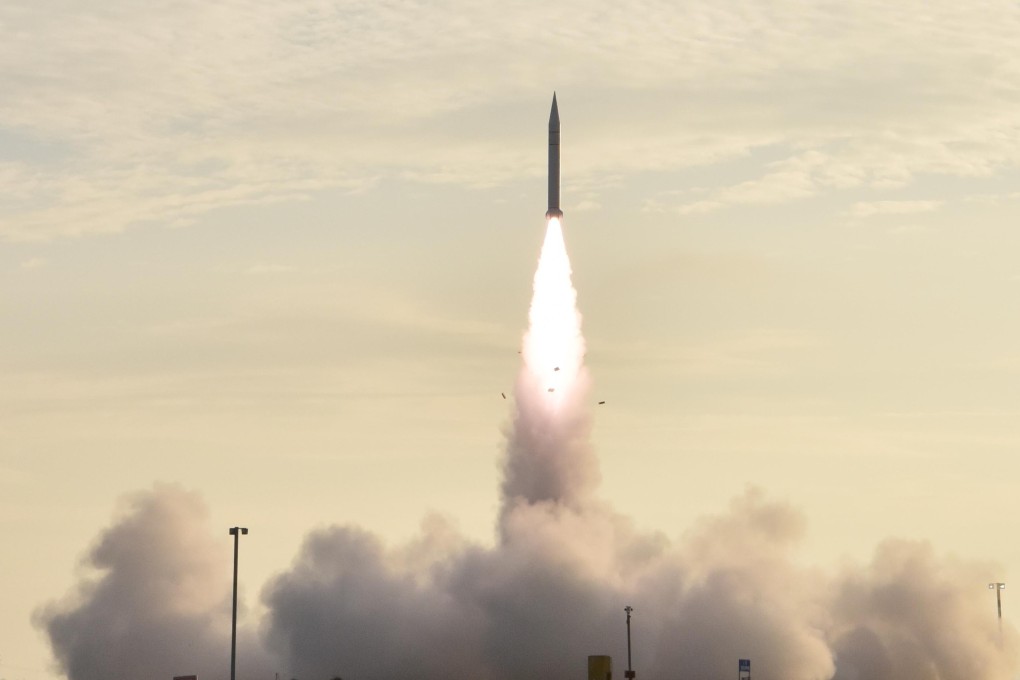
Space-based sensors, including infrared and optical imaging systems, play a pivotal role in monitoring the Earth’s surface for unusual heat signatures and movement. When a missile is launched, it produces a distinct thermal plume and movement pattern that can be detected from orbit. However, differentiating between a missile launch and other high-energy events—such as industrial explosions or rocket launches—requires advanced analysis.
Traditional detection methods relied heavily on manual review and basic algorithms, which often struggled with false positives or missed subtle cues. The introduction of artificial intelligence for missile launch detection has dramatically improved accuracy and response times.
How AI Distinguishes Missile Launch Patterns from Space
The core of how AI identifies missile launch signatures from space lies in its ability to process and interpret complex data streams. Machine learning models are trained on vast datasets containing examples of missile launches, atmospheric phenomena, and benign events. By learning the unique characteristics of a missile’s heat plume, trajectory, and timing, AI systems can flag potential launches with high confidence.
- Pattern Recognition: AI algorithms excel at recognizing the specific shapes and intensities of thermal signatures associated with missile engines.
- Temporal Analysis: The timing and sequence of detected events are analyzed to distinguish between a missile launch and other activities.
- Multi-Sensor Fusion: Data from multiple satellites and sensor types are combined, allowing AI to cross-verify detections and reduce false alarms.
These capabilities are especially valuable for identifying launches in challenging environments, such as through cloud cover or in the presence of countermeasures designed to mask the event.
Real-Time Processing and Automated Alerts
One of the most significant advantages of using AI for space-based missile detection is the speed at which data can be processed. Instead of waiting for human analysts to review imagery, AI systems can analyze incoming streams in real time, often within seconds of a launch. This rapid response is crucial for early warning systems and for enabling defensive measures.
Automated alert generation ensures that military and government agencies receive immediate notifications, complete with confidence scores and suggested actions. This level of automation not only improves situational awareness but also reduces the risk of human error during high-pressure situations.

Reducing False Positives and Improving Reliability
A persistent challenge in missile detection is the risk of false positives—incorrectly identifying non-missile events as threats. AI addresses this by continuously learning from new data and refining its models. Feedback loops, where analysts review AI-generated alerts and provide corrections, help the system become more accurate over time.
Additionally, AI can be integrated with other defense technologies. For example, combining AI-driven detection with how ai coordinates multi-layered defense shields enables a layered approach to threat response, further reducing the likelihood of missed or misidentified launches.
AI and the Future of Space-Based Missile Monitoring
As both missile technology and countermeasures evolve, so too must the systems designed to detect them. The future of space-based monitoring will likely involve even more sophisticated AI models, capable of analyzing data from new sensor types and adapting to emerging threats. Advances in deep learning and neural networks are expected to enhance the ability of AI to spot subtle anomalies and previously unseen launch profiles.
The integration of AI with global sensor networks also opens the door to collaborative defense strategies, where multiple nations or agencies share data and insights in real time. This collective approach can help counter adversaries who attempt to exploit gaps in coverage or use deception tactics.
For deeper insight into how AI is applied to analyze missile test data, readers may find value in exploring how ai analyzes adversary missile test data, which details the use of algorithms in post-launch assessments.
Applications Beyond Missile Detection
While the primary focus is on identifying missile launches, the same AI-driven techniques can be applied to other areas of space-based surveillance. For instance, monitoring rocket launches, tracking space debris, and even detecting wildfires or volcanic eruptions all benefit from advanced pattern recognition and real-time data processing.
The adaptability of AI systems means they can be retrained and repurposed as new challenges arise, making them a versatile tool for a wide range of security and environmental monitoring tasks.
Challenges and Ethical Considerations
Despite its advantages, the use of AI in space-based detection raises important questions about transparency, accountability, and the potential for escalation. Ensuring that AI systems are robust, explainable, and subject to human oversight is essential to prevent unintended consequences.
Moreover, as adversaries develop their own AI capabilities, the risk of an arms race in automated detection and counter-detection technologies increases. International cooperation and the establishment of norms for the use of AI in military applications will be vital for maintaining stability.
For a broader look at the challenges of detecting elusive threats, consider reading about how ai detects stealth missile signatures, which discusses the complexities of identifying low-observable weapons.
Further Reading and Resources
Those seeking more technical details on AI-driven sensing technologies can refer to resources such as this overview of advanced AI sensing for invisible phenomena. These insights help illustrate the broader landscape of machine learning applications in defense and surveillance.
Frequently Asked Questions
How does AI differentiate between a missile launch and other high-energy events from space?
AI systems use machine learning models trained on large datasets to recognize the unique thermal and movement patterns of missile launches. By analyzing the shape, intensity, and timing of heat signatures, as well as cross-referencing data from multiple sensors, AI can distinguish missile launches from industrial explosions, rocket launches, or natural phenomena.
What types of sensors are used in space-based missile detection?
The most common sensors include infrared detectors, optical cameras, and radar systems. Infrared sensors are particularly effective at spotting the heat plumes generated by missile engines, while optical and radar data help confirm the event and track the missile’s trajectory.
Can AI-driven detection systems operate autonomously?
Yes, modern AI systems are capable of processing sensor data and generating alerts without human intervention. However, human analysts typically review critical alerts to ensure accuracy and to provide context for decision-making. Feedback from these reviews is used to further train and refine the AI models.