
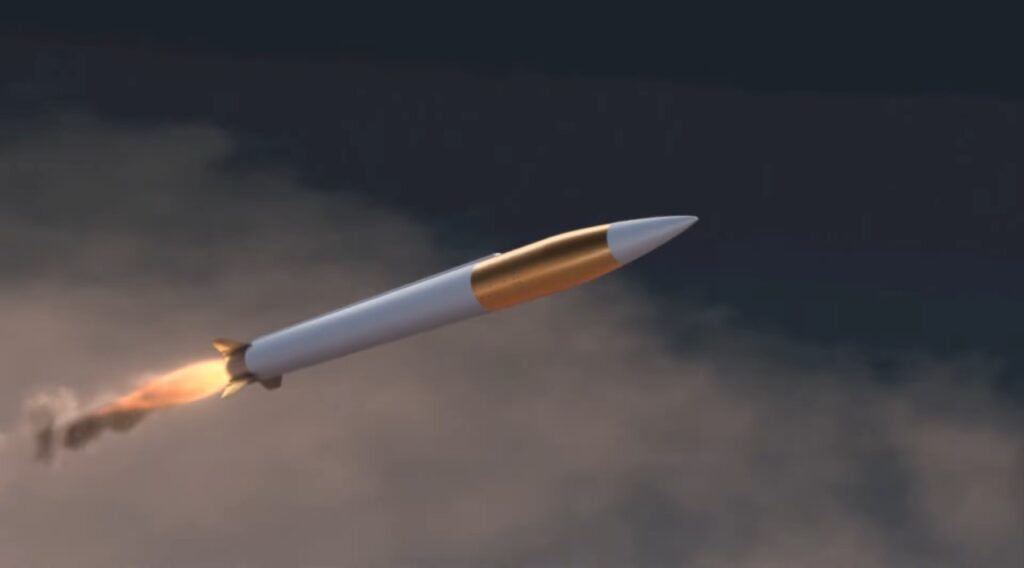
The rapid advancement of hypersonic glide vehicles (HGVs) has introduced new complexities to global defense strategies. These maneuverable, high-speed weapons challenge traditional missile defense systems due to their unpredictable flight paths and extreme velocities. As nations race to develop countermeasures, artificial intelligence (AI) has emerged as a critical tool in enhancing detection, tracking, and interception capabilities. Understanding the impact of AI on hypersonic glide vehicle defense is essential for military planners, technologists, and policymakers seeking to address these evolving threats.
This article explores how AI-driven technologies are transforming the landscape of HGV defense, from early warning systems to real-time decision-making and advanced interception solutions. We’ll also highlight related innovations, such as how AI identifies the type of fuel used in a missile launch, which further illustrate the growing role of artificial intelligence in modern defense systems.
AI-Driven Detection and Early Warning Systems
One of the most significant challenges posed by HGVs is their ability to evade conventional radar and satellite tracking. Their unpredictable trajectories and high speeds make early detection difficult. AI-powered algorithms are now being integrated into sensor networks to enhance the detection of these threats. By analyzing vast streams of data from multiple sources—such as infrared sensors, satellites, and ground-based radars—AI can identify subtle patterns and anomalies that might indicate the launch or flight of an HGV.
Machine learning models are particularly effective at filtering out noise and false positives, which is crucial for minimizing response times. For example, AI can distinguish between decoys and actual threats, enabling defense systems to focus resources where they are needed most. These advancements are complemented by research into how AI detects subtle anomalies in sensor telemetry, further improving the reliability of early warning systems.
Enhancing Tracking and Trajectory Prediction
Once an HGV is detected, accurately predicting its path is critical for successful interception. Unlike traditional ballistic missiles, HGVs can maneuver unpredictably during flight, making conventional tracking methods less effective. AI addresses this challenge by continuously analyzing sensor data and updating trajectory predictions in real time.
Deep learning techniques allow AI systems to learn from previous HGV flight patterns and adapt to new tactics. This adaptability is essential for keeping pace with rapidly evolving threats. By integrating AI with multi-sensor fusion, defense networks can create a more comprehensive and dynamic picture of the battlespace, improving the likelihood of successful interception.
For a deeper dive into how AI contributes to missile defense accuracy, the article on impact of AI on interceptor hit-to-kill probability provides valuable insights into the role of machine learning in enhancing engagement outcomes.
AI in Decision-Making and Command Systems
The speed at which HGVs travel leaves little room for human decision-making. AI-enabled command and control systems can process information and recommend or execute responses far faster than manual processes. These systems use advanced algorithms to weigh multiple variables—such as threat level, interceptor availability, and environmental conditions—before selecting the most effective countermeasure.
By automating routine decisions and highlighting critical choices for human operators, AI reduces the risk of errors and delays. This synergy between human expertise and machine intelligence is vital for maintaining a robust defense posture against hypersonic threats.
Integrating AI with Interceptor and Directed Energy Systems
Intercepting a hypersonic glide vehicle requires precise timing and targeting. AI enhances interceptor guidance systems by processing real-time sensor data and adjusting flight paths to maximize the probability of a successful intercept. Additionally, AI is being used to direct advanced weapon systems, such as directed energy weapons, which require rapid and accurate targeting.
Innovations in this area are explored in the discussion on the role of AI in directing directed energy weapons, highlighting how machine learning optimizes engagement strategies in complex scenarios.
Challenges and Limitations of AI in HGV Defense
While AI offers significant advantages, it also introduces new challenges. Adversaries may attempt to deceive AI systems with spoofing techniques or cyberattacks. Ensuring the security and integrity of AI-driven defense networks is therefore a top priority. Additionally, the reliance on large datasets for training machine learning models can create vulnerabilities if data is incomplete or manipulated.
Another concern is the risk of over-reliance on automation. Human oversight remains essential to prevent unintended consequences and to provide ethical guidance in the use of lethal force. As AI becomes more integrated into defense systems, balancing autonomy with accountability will be a continuing challenge.
Future Directions for AI-Enhanced Missile Defense
The evolution of AI in countering hypersonic threats is ongoing. Future developments are likely to focus on greater integration of AI across all layers of defense, from space-based sensors to ground-based interceptors. Advances in quantum computing and edge AI could further accelerate response times and improve the accuracy of threat assessments.
International collaboration and information sharing will also play a crucial role in staying ahead of emerging threats. As AI technologies mature, defense organizations must invest in robust testing, validation, and ethical frameworks to ensure that these systems operate reliably and responsibly.
For additional context on the broader landscape of missile defense technologies, readers can explore ballistic missile detection technologies and defense systems for a comprehensive overview of current capabilities and future trends.
FAQ: AI and Hypersonic Glide Vehicle Defense
How does artificial intelligence improve the detection of hypersonic threats?
AI enhances detection by processing data from multiple sensors and identifying patterns that indicate the presence of hypersonic glide vehicles. Machine learning algorithms can filter out noise and false positives, enabling earlier and more accurate threat identification.
What role does AI play in interceptor guidance?
AI-driven guidance systems analyze real-time data to adjust interceptor trajectories, increasing the likelihood of a successful intercept. These systems can react to the unpredictable maneuvers of HGVs more quickly than traditional methods.
Are there risks associated with using AI in missile defense?
Yes, potential risks include vulnerability to cyberattacks, data manipulation, and over-reliance on automation. Maintaining human oversight and ensuring the security of AI systems are essential for effective and responsible defense operations.
Conclusion
The integration of AI in hypersonic glide vehicle defense marks a pivotal shift in modern military strategy. By enhancing detection, tracking, and interception capabilities, AI offers a powerful response to the challenges posed by these advanced weapons. However, ongoing vigilance is needed to address the technical, ethical, and security challenges that accompany this technological evolution. As research and development continue, the collaboration between human expertise and artificial intelligence will remain at the heart of effective defense against hypersonic threats.