
The increasing complexity of missile defense operations demands rapid, data-driven decision-making. As threats evolve, so does the need for smarter, more agile inventory management for interceptors—those critical assets that form the backbone of modern defense shields. Artificial intelligence is now at the forefront of this transformation, bringing unprecedented efficiency, accuracy, and adaptability to the way military organizations monitor, allocate, and replenish their interceptor stockpiles.
Understanding how AI optimizes interceptor inventory management is essential for defense professionals, logistics coordinators, and technology strategists. By integrating advanced algorithms, machine learning, and real-time analytics, AI is reshaping how resources are allocated and maintained, ensuring readiness while minimizing waste and cost. For those interested in related advancements, the impact of 5G on real-time AI defense communication is also driving significant improvements in operational speed and coordination.

AI-Driven Inventory Tracking and Forecasting
Traditional inventory management systems often rely on manual updates and periodic audits, which can lead to delays, inaccuracies, and inefficiencies. With the integration of AI, these processes are now largely automated. Machine learning models continuously analyze sensor data, usage logs, and operational reports to provide a real-time overview of interceptor stock levels.
AI-powered forecasting tools use historical data and predictive analytics to anticipate future demand. This allows defense agencies to proactively schedule resupply missions and maintenance, reducing the risk of shortages during critical operations. By leveraging AI-driven inventory management, organizations can optimize stock rotation, minimize obsolescence, and ensure that interceptors are always mission-ready.
Enhancing Allocation and Deployment with AI
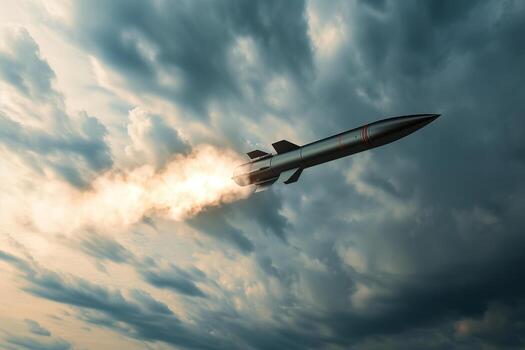
One of the most significant benefits of AI in this context is its ability to optimize the allocation and deployment of interceptor assets. Advanced algorithms assess threat levels, geographic distribution, and real-time intelligence to recommend the most effective placement of interceptors across multiple sites.
For example, if a region is identified as a high-risk zone based on recent intelligence, AI systems can automatically prioritize inventory transfers to that location. This dynamic allocation ensures that resources are always positioned where they are needed most, improving overall defense readiness and reducing response times.
AI also supports rapid scenario analysis. By simulating various threat environments and operational constraints, these systems help commanders make informed decisions about where and when to deploy interceptors. This not only maximizes the effectiveness of available assets but also supports cost-effective operations by preventing unnecessary stockpiling in low-risk areas.
Automated Maintenance and Lifecycle Management
Maintenance is a critical aspect of keeping interceptor inventories operational. AI technologies monitor the health and status of each asset, using data from embedded sensors and maintenance logs to predict when servicing is required. This predictive maintenance approach reduces the likelihood of unexpected failures and extends the lifespan of valuable equipment.
Automated scheduling tools can coordinate maintenance activities based on operational priorities and resource availability. By integrating these systems with broader logistics networks, organizations can streamline parts procurement, technician assignments, and downtime management. This holistic approach to lifecycle management ensures that interceptor inventories remain reliable and effective over time.
Integrating AI with Multi-Layered Defense Systems
Modern missile defense strategies often involve multiple layers of protection, each with its own inventory and operational requirements. AI plays a crucial role in coordinating these layers, ensuring seamless communication and resource sharing between different systems. For a deeper look at this topic, see how AI coordinates multi-layered defense shields.
By analyzing data from radar, satellite, and ground-based sensors, AI systems can provide a unified picture of inventory status and operational readiness across all defense layers. This integration enables more effective threat response and reduces the risk of resource duplication or gaps in coverage.

Security, Compliance, and Data Integrity in AI-Enabled Inventory Management
As with any digital transformation, the adoption of AI in defense logistics introduces new challenges around security and compliance. Protecting sensitive inventory data from cyber threats is paramount. AI systems must be designed with robust encryption, access controls, and continuous monitoring to detect and mitigate potential breaches.
Compliance with international regulations and standards is also essential, especially when managing dual-use technologies or collaborating with allied forces. AI can assist by automating compliance checks and generating audit-ready reports, reducing the administrative burden on human operators.
Real-World Applications and Future Trends
The practical impact of AI on interceptor inventory management is already evident in several defense programs worldwide. Automated tracking, predictive analytics, and dynamic allocation are helping organizations maintain higher readiness levels with fewer resources. As AI technology continues to evolve, future systems are expected to incorporate even more advanced features, such as autonomous resupply drones and real-time threat-adaptive inventory adjustments.
For those interested in how AI is being used in related missile defense scenarios, such as tracking hypersonic threats, the article on how AI tracks hypersonic missiles in real-time combat provides further insights into the expanding role of artificial intelligence in military logistics and operations.
Benefits and Challenges of AI-Driven Inventory Optimization
The advantages of using AI for managing interceptor inventories are clear: improved accuracy, faster response times, reduced operational costs, and enhanced adaptability. However, challenges remain. Integrating legacy systems, ensuring data quality, and maintaining human oversight are all critical considerations for successful implementation.
Ongoing training and change management are necessary to help personnel adapt to new workflows and technologies. Additionally, ethical considerations around autonomous decision-making and data privacy must be addressed as AI becomes more deeply embedded in defense operations.
FAQ
How does AI improve the accuracy of interceptor inventory tracking?
AI systems continuously analyze data from sensors, usage logs, and operational reports to provide real-time updates on inventory status. This reduces human error, ensures up-to-date records, and enables faster, more accurate decision-making.
Can AI help predict when interceptor resupply is needed?
Yes, predictive analytics powered by AI use historical usage patterns and current operational data to forecast future demand. This allows for proactive resupply planning, minimizing the risk of shortages during critical missions.
What are the main security concerns with AI-enabled inventory management?
Protecting sensitive inventory data from cyber threats is a top priority. AI systems must include strong encryption, access controls, and real-time monitoring to safeguard information and ensure compliance with defense regulations.