

The modern battlespace is defined by complexity, speed, and the need for seamless coordination across land, air, sea, space, and cyber domains. As military operations become more interconnected, the challenge of sharing data in real time across these domains has grown exponentially. How AI manages data synchronization in joint all-domain command is now a central topic for defense leaders and technologists alike. Artificial intelligence is transforming how information flows, ensuring that decision-makers at every level have access to accurate, timely, and actionable data.
This article explores the critical role of AI in harmonizing data across the Joint All-Domain Command and Control (JADC2) framework. We’ll look at the mechanisms, benefits, and challenges of AI-powered synchronization, and how these advances are shaping the future of defense operations. For a deeper dive into related AI applications, see our resource on how ai manages the transition from detection to engagement.
The Role of AI in Multi-Domain Data Integration
Synchronizing data across multiple domains demands more than just fast networks. It requires intelligent systems that can process, filter, and distribute information based on operational priorities. In the context of JADC2, AI-driven data synchronization enables the fusion of sensor feeds, intelligence reports, and command directives from disparate sources.
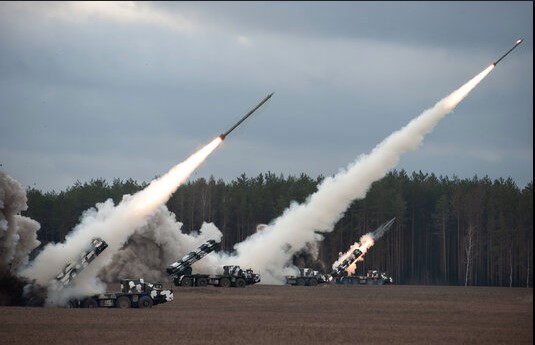
AI algorithms excel at identifying patterns, correlating events, and prioritizing critical information. For example, when tracking missile threats, AI can rapidly combine radar, satellite, and cyber intelligence to provide a unified operational picture. This capability ensures that commanders receive the most relevant data, reducing information overload and enabling faster, more informed decisions.
How AI Manages Real-Time Data Synchronization in JADC2
The heart of how AI manages data synchronization in joint all-domain command lies in its ability to automate and optimize the flow of information. Here’s how AI enhances real-time data sharing within JADC2 environments:
- Automated Data Fusion: AI systems ingest data from sensors, platforms, and networks, then merge it into a cohesive operational picture. This reduces duplication and ensures consistency across domains.
- Intelligent Filtering: Not all data is equally important. AI algorithms prioritize and filter information, ensuring that only mission-critical updates reach decision-makers.
- Latency Reduction: By predicting network bottlenecks and rerouting data, AI helps minimize delays, which is crucial for time-sensitive operations such as missile defense or airspace management.
- Adaptive Synchronization: AI can dynamically adjust synchronization protocols based on mission phase, threat level, or available bandwidth, maintaining operational effectiveness under changing conditions.
These capabilities are essential for maintaining a common operating picture and ensuring that all forces—from ground units to space assets—are working from the same information.
Challenges in AI-Driven Data Synchronization
While the benefits are significant, implementing AI for data synchronization in joint operations is not without obstacles. Some of the main challenges include:
- Data Standardization: Different domains often use incompatible data formats and protocols. AI must bridge these gaps to enable seamless integration.
- Security and Trust: Synchronizing sensitive data across networks increases the risk of cyber threats. AI must ensure data integrity and prevent unauthorized access.
- Scalability: As the number of sensors and platforms grows, AI systems must scale to handle massive volumes of data without performance degradation.
- Human-Machine Teaming: Operators must trust AI recommendations and understand how synchronization decisions are made, which requires transparency and effective user interfaces.
Addressing these challenges is critical for the long-term success of AI-enabled JADC2 operations.

Benefits of AI-Enabled Synchronization for Joint Operations
The integration of AI into data synchronization processes delivers several key advantages for joint and coalition forces:
- Faster Decision Cycles: Automated synchronization allows commanders to react quickly to emerging threats and opportunities.
- Improved Situational Awareness: AI ensures that all participants have access to the latest, most accurate information, reducing the risk of miscommunication or outdated intelligence.
- Resource Optimization: By prioritizing data and automating routine tasks, AI frees up human operators to focus on higher-level strategy.
- Resilience and Redundancy: AI can detect and compensate for data losses or network failures, maintaining operational continuity even in contested environments.
For a broader perspective on the benefits of ai for theater-level missile defense, see our related analysis.
AI Synchronization in Action: Use Cases and Technologies
Several real-world applications illustrate the impact of AI-powered synchronization in joint command environments:
- Missile Defense: AI coordinates sensor data from satellites, ground radars, and naval platforms to track and intercept incoming threats. For a technical overview, see this analysis of ballistic missile detection technologies.
- Space Situational Awareness: AI fuses data from multiple sources to monitor objects in orbit, helping prevent collisions and track adversary activities. Learn more about what is the role of ai in space situational awareness.
- Electronic Warfare: Synchronizing signals intelligence across domains enables rapid identification and countering of electronic threats.
- Cyber Defense: AI monitors network traffic and synchronizes threat intelligence to detect and respond to cyber intrusions in real time.
These examples demonstrate the versatility and necessity of AI-driven synchronization in modern defense operations.
Future Directions for AI in Joint Command Synchronization
The evolution of AI in multi-domain command and control is ongoing. Future developments are likely to include:
- Greater Autonomy: AI agents will increasingly make synchronization decisions without human intervention, especially in high-speed or denied environments.
- Interoperability with Allies: AI will help bridge data-sharing gaps between coalition partners, supporting joint missions and multinational exercises.
- Edge Computing: Deploying AI algorithms closer to the source of data (on drones, vehicles, or satellites) will reduce latency and improve responsiveness.
- Explainable AI: Enhancing transparency and trust in AI-driven synchronization will be essential for operator confidence and mission assurance.
As these technologies mature, the ability of joint forces to operate as a cohesive, data-driven team will only increase.
FAQ: AI and Data Synchronization in Joint Command
How does AI prioritize which data to synchronize in JADC2?
AI uses algorithms to assess the relevance, urgency, and reliability of incoming information. By analyzing mission context and operational priorities, AI can filter out less critical data and ensure that the most important updates are shared first.
What are the main risks associated with AI-driven data synchronization?
Key risks include data breaches, adversarial attacks on AI algorithms, and the potential for synchronization errors due to incompatible data formats. Robust cybersecurity measures and ongoing validation of AI models are essential to mitigate these risks.
Can AI synchronization work in contested or degraded network environments?
Yes, advanced AI systems are designed to adapt to changing network conditions. They can reroute data, compress information, and prioritize essential communications to maintain synchronization even when connectivity is limited or disrupted.
For further reading on how artificial intelligence is transforming defense operations, explore our coverage on how ai identifies vulnerable points in incoming missiles and how ai optimizes the deployment of decoy flares.