
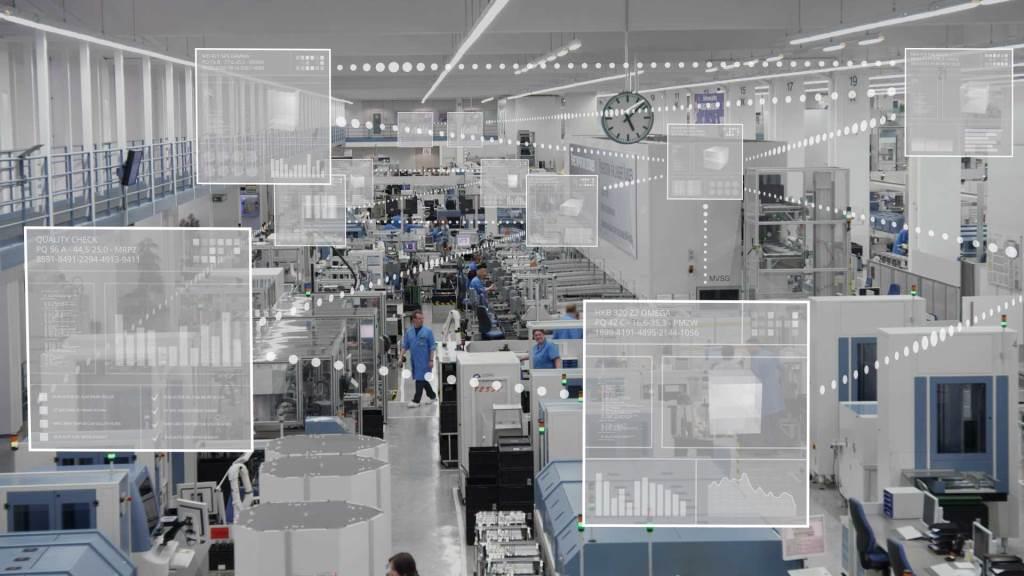
The manufacturing sector is experiencing a significant transformation as artificial intelligence becomes more deeply integrated into production processes. Companies are increasingly turning to advanced technologies to enhance efficiency, reduce waste, and boost overall output. One of the most impactful areas of this technological shift is the use of AI to increase yield rates—the percentage of quality products produced compared to the total output. Understanding how AI improves yield rate is essential for manufacturers aiming to stay competitive and meet the demands of a rapidly evolving market.
By leveraging machine learning, real-time analytics, and predictive modeling, manufacturers can identify inefficiencies, minimize defects, and optimize every stage of production. These improvements not only drive profitability but also support sustainability goals by reducing material waste and energy consumption.
For those interested in the broader applications of artificial intelligence, including its role in defense and aerospace, you may also find value in exploring how AI identifies the type of fuel used in a missile launch.
Key Drivers Behind AI-Driven Yield Rate Optimization
The adoption of artificial intelligence in manufacturing is not just a trend—it’s a strategic move to address long-standing challenges. Traditional methods for improving yield rates often rely on manual inspections, historical data analysis, and reactive maintenance. These approaches can be slow and prone to human error. AI, on the other hand, enables a proactive, data-driven approach that can adapt in real time.
- Predictive Maintenance: AI-powered systems monitor equipment health, predict failures, and schedule maintenance before breakdowns occur, reducing unplanned downtime and ensuring consistent production quality.
- Process Optimization: Machine learning algorithms analyze vast amounts of production data to identify bottlenecks, recommend process adjustments, and fine-tune parameters for maximum efficiency.
- Defect Detection: Computer vision and AI-driven inspection tools catch defects early, allowing for immediate corrections and minimizing the number of faulty products.
Real-Time Data Collection and Analysis
One of the most significant advantages of AI in manufacturing is its ability to collect and analyze data in real time. Sensors and IoT devices embedded throughout the production line feed continuous streams of information into AI systems. This data is then processed to detect patterns, anomalies, and trends that would be impossible for humans to spot quickly.
By acting on these insights, manufacturers can make immediate adjustments to their processes, leading to higher yield rates and reduced material waste. For example, if an AI system detects a deviation in temperature or pressure that could impact product quality, it can alert operators or even automatically adjust machine settings to correct the issue.
Machine Learning and Predictive Quality Control
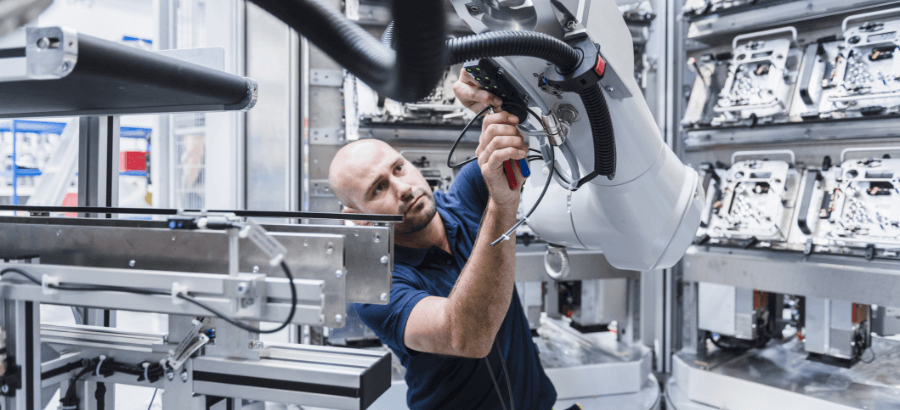
Machine learning models are at the heart of many AI applications in manufacturing. These models are trained on historical production data, enabling them to predict outcomes and recommend actions that increase the proportion of high-quality products. Predictive quality control uses AI to forecast potential defects before they occur, allowing operators to intervene early.
This approach is especially valuable in industries where even minor deviations can lead to significant losses. By continuously learning from new data, AI systems become more accurate over time, further enhancing their ability to improve yield rates.
Reducing Waste and Enhancing Sustainability
Improving yield rates isn’t just about producing more—it’s also about producing smarter. AI helps manufacturers reduce raw material consumption by minimizing errors and optimizing resource allocation. This leads to less scrap, lower energy usage, and a smaller environmental footprint.
For example, AI can analyze the relationship between input materials and final product quality, recommending adjustments to recipes or sourcing to maximize usable output. These sustainability benefits are increasingly important as companies face stricter regulations and growing consumer demand for eco-friendly practices.
Integrating AI with Existing Manufacturing Systems
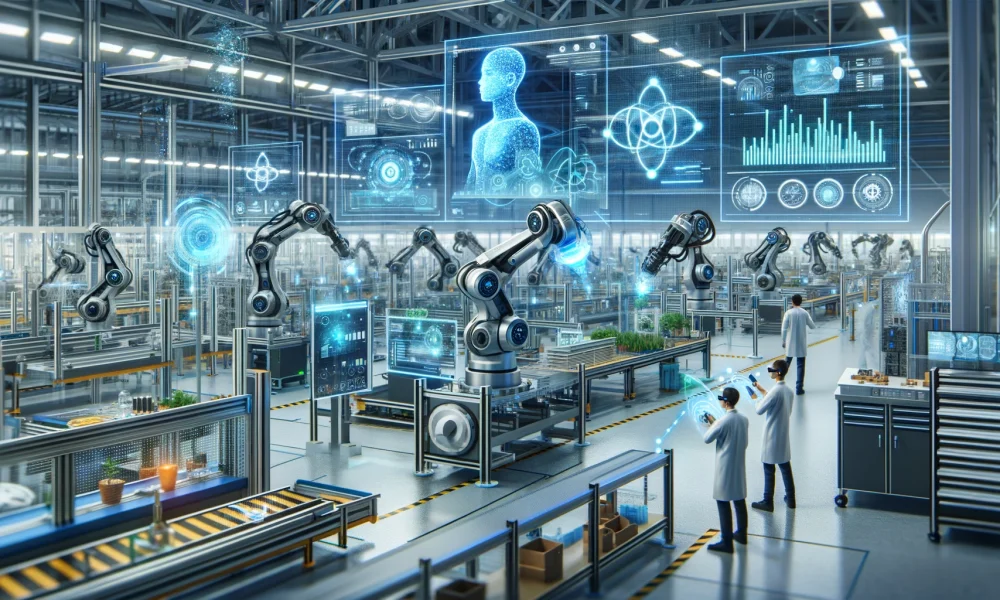
Implementing AI solutions doesn’t always require a complete overhaul of existing infrastructure. Many manufacturers are integrating AI tools with their current systems, leveraging data from legacy equipment and modern sensors alike. This hybrid approach allows for gradual adoption, minimizing disruption while still reaping the benefits of advanced analytics and automation.
Integration also means that insights from AI can be shared across departments, from supply chain management to quality assurance, creating a more cohesive and responsive operation.
For a deeper look at how artificial intelligence is transforming the manufacturing industry as a whole, consider reading this comprehensive guide on the role of AI in manufacturing.
Challenges and Considerations When Adopting AI
While the benefits of AI in boosting yield rates are clear, there are challenges to consider. Data quality and availability are critical—AI systems require large volumes of accurate, relevant data to function effectively. Additionally, workforce training is essential to ensure that employees can interpret AI-driven insights and act on them appropriately.
Security and privacy are also important, especially when integrating AI with cloud-based platforms or sharing data across multiple facilities. Manufacturers must establish robust protocols to protect sensitive information and maintain compliance with industry standards.
As AI continues to evolve, staying informed about related advancements—such as how AI detects subtle anomalies in sensor telemetry—can help organizations anticipate future opportunities and challenges.
Frequently Asked Questions
What is yield rate in manufacturing, and why is it important?
Yield rate refers to the percentage of products that meet quality standards compared to the total number produced. A higher yield rate means fewer defects, less waste, and greater profitability, making it a key performance indicator for manufacturers.
How does artificial intelligence help reduce defects in production?
AI systems use real-time monitoring, data analysis, and predictive modeling to identify potential issues before they result in defects. By catching problems early, manufacturers can make immediate adjustments and maintain consistent product quality.
Can AI be integrated with older manufacturing equipment?
Yes, many AI solutions are designed to work with both modern and legacy equipment. By connecting sensors and collecting data from existing machines, manufacturers can gradually introduce AI-driven improvements without replacing their entire infrastructure.