
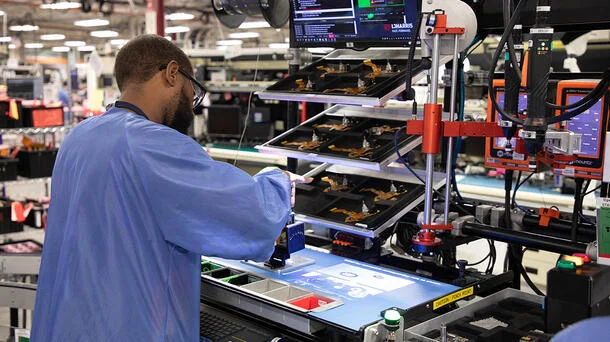
The manufacturing landscape is undergoing rapid transformation as artificial intelligence becomes a core driver of efficiency and competitiveness. AI in production forecasting is now central to how organizations plan, schedule, and optimize their operations. By leveraging advanced algorithms and real-time data, businesses can anticipate demand, allocate resources more effectively, and minimize costly disruptions.
As industries seek to remain agile in the face of fluctuating markets and supply chain uncertainties, the adoption of intelligent forecasting tools is no longer a luxury—it’s a necessity. This article explores how these technologies are reshaping production planning and scheduling, the benefits they deliver, and practical steps for implementation. For those interested in related applications, you may also want to learn about how AI identifies the type of fuel used in a missile launch.
Understanding the Role of AI in Manufacturing Forecasts
Traditional production forecasting methods often rely on historical data and manual analysis, which can be time-consuming and prone to error. With the integration of AI-driven forecasting, manufacturers gain access to predictive models that learn from vast datasets, including real-time sensor information, market trends, and supply chain dynamics.
These intelligent systems can identify patterns and anomalies that are invisible to human analysts. As a result, organizations can make more informed decisions about inventory management, workforce allocation, and equipment maintenance. The ability to anticipate shifts in demand or potential bottlenecks leads to improved operational agility and reduced waste.

Key Benefits of Intelligent Production Planning
Embracing AI in production forecasting delivers a range of tangible benefits for manufacturers of all sizes. Some of the most impactful advantages include:
- Improved Accuracy: AI models continuously refine their predictions as new data becomes available, resulting in more precise forecasts than traditional approaches.
- Faster Response Times: Automated systems can process information and generate insights in real time, enabling organizations to react swiftly to changing conditions.
- Optimized Resource Allocation: By predicting demand and identifying inefficiencies, AI helps businesses allocate labor, materials, and equipment where they are needed most.
- Reduced Costs: Enhanced forecasting accuracy minimizes overproduction, excess inventory, and downtime, leading to significant cost savings.
- Enhanced Collaboration: AI-powered platforms can facilitate better communication between departments, suppliers, and customers by providing a single source of truth for planning data.
These benefits are not limited to large enterprises. Small and medium-sized manufacturers can also leverage AI tools to gain a competitive edge and streamline their operations.
How AI Transforms Scheduling and Resource Management
Scheduling is a complex challenge in manufacturing, involving the coordination of machines, personnel, and materials. AI-based systems excel at analyzing multiple variables simultaneously, allowing them to generate optimal schedules that maximize throughput and minimize delays.
For example, machine learning algorithms can predict equipment failures based on sensor data, enabling proactive maintenance and reducing unplanned downtime. Similarly, AI can forecast labor requirements based on historical production rates and upcoming orders, ensuring that staffing levels are always aligned with demand.
The integration of these technologies leads to a more resilient and responsive production environment, where disruptions are anticipated and addressed before they escalate.

Implementing AI-Driven Forecasting Solutions
Adopting intelligent forecasting tools requires a strategic approach. Here are some practical steps for successful implementation:
- Assess Current Capabilities: Evaluate existing data infrastructure and identify gaps that need to be addressed before deploying AI solutions.
- Define Clear Objectives: Set measurable goals for what you hope to achieve, such as reducing lead times or improving forecast accuracy.
- Choose the Right Tools: Select AI platforms that integrate seamlessly with your current systems and can scale as your needs evolve.
- Invest in Training: Ensure that staff are equipped with the skills needed to interpret AI-generated insights and act on them effectively.
- Monitor and Refine: Continuously track performance metrics and refine models to ensure ongoing improvement.
For a deeper dive into how artificial intelligence is shaping manufacturing, the resource on AI applications in manufacturing offers valuable insights and case studies.
Challenges and Considerations in Adopting AI for Production Forecasting
While the benefits are substantial, integrating AI into production planning is not without its challenges. Data quality and availability remain significant hurdles for many organizations. Inconsistent or incomplete data can undermine the effectiveness of predictive models.
Additionally, cultural resistance to change and a lack of technical expertise can slow adoption. It’s crucial for leadership to champion digital transformation and foster a culture of continuous learning. Collaborating with technology partners and investing in workforce development can help overcome these barriers.
Security and privacy are also important considerations, especially when dealing with sensitive production data. Robust cybersecurity measures and clear data governance policies are essential to protect intellectual property and maintain regulatory compliance.
Future Trends in AI-Enhanced Production Planning
The evolution of AI in production forecasting is far from over. As machine learning algorithms become more sophisticated and data sources expand, the potential for even greater efficiency and agility will continue to grow.
Emerging trends include the integration of Internet of Things (IoT) devices, which provide real-time data from the shop floor, and the use of digital twins to simulate and optimize production scenarios. Advances in natural language processing are also making it easier for non-technical users to interact with AI systems and extract actionable insights.
For those interested in related innovations, exploring topics such as how AI detects subtle anomalies in sensor telemetry can provide a broader perspective on the impact of artificial intelligence across different domains.
FAQ: AI and Modern Production Forecasting
How does AI improve the accuracy of production forecasts?
Artificial intelligence leverages large datasets and advanced algorithms to identify patterns and trends that traditional methods may miss. By continuously learning from new data, AI systems can adjust their predictions in real time, resulting in more accurate and reliable forecasts.
What types of data are used in AI-driven production planning?
AI-powered forecasting tools utilize a wide range of data, including historical production records, real-time sensor readings, supply chain information, market trends, and even external factors like weather or geopolitical events. This comprehensive approach enables more holistic and adaptive planning.
Is AI-based forecasting suitable for small manufacturers?
Yes, small and medium-sized businesses can benefit from AI-driven production planning. Many modern solutions are scalable and can be tailored to the specific needs and resources of smaller organizations, helping them compete more effectively and respond quickly to market changes.