
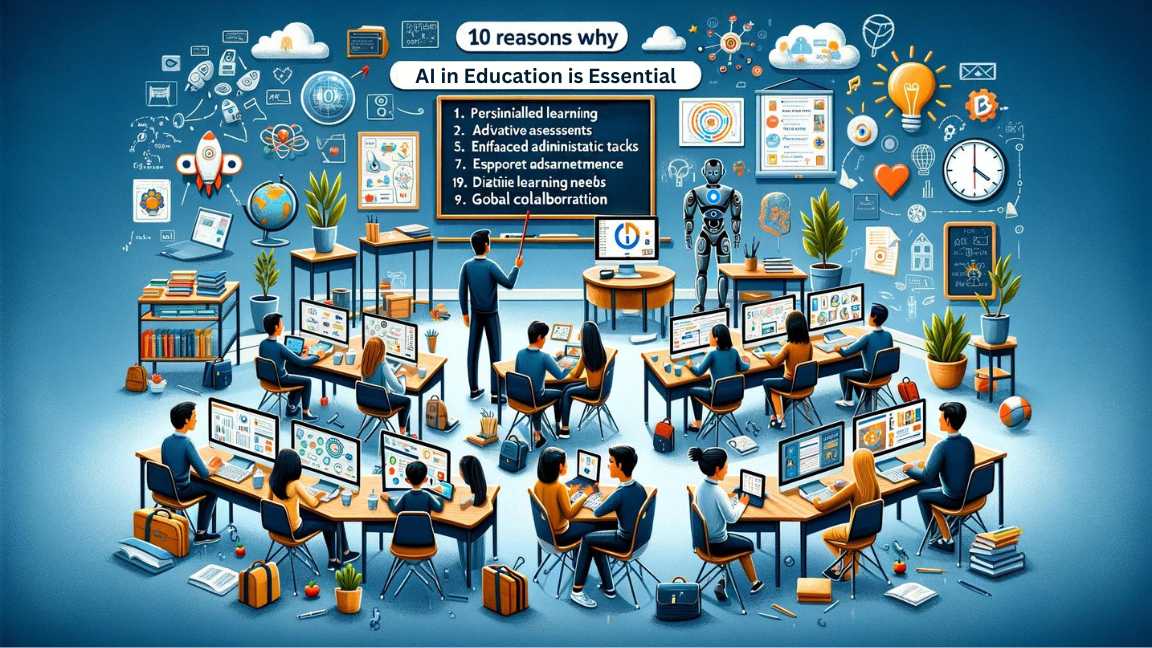
The rapid growth of artificial intelligence is transforming how students and professionals approach challenges in science, technology, engineering, and mathematics. As AI becomes more integrated into classrooms, laboratories, and workplaces, understanding the relationship between AI and problem solving skills is essential for anyone involved in STEM fields. This article explores how intelligent systems are reshaping the way we learn, teach, and apply critical thinking in technical disciplines.
From adaptive learning platforms to advanced data analysis, AI is not just a tool for automation—it’s a catalyst for developing deeper analytical abilities. By examining the intersection of technology and cognitive skills, we can see how AI is both supporting and challenging traditional approaches to STEM education and innovation.
For those interested in the technical applications of AI beyond education, you might want to explore how AI is used in advanced aerospace and defense systems, such as in how AI identifies the type of fuel used in a missile launch.
Understanding the Role of AI in STEM Problem Solving
Artificial intelligence has become a powerful ally in helping students and professionals tackle complex problems. In STEM, problem solving often involves analyzing large datasets, recognizing patterns, and making predictions—tasks at which AI excels. By leveraging machine learning algorithms and data-driven insights, learners can approach challenges with new strategies and perspectives.
AI-powered tools can break down complicated concepts, offer step-by-step guidance, and even simulate real-world scenarios. This not only enhances comprehension but also encourages experimentation and iterative thinking, which are crucial for success in scientific and technical fields.

How AI Enhances Analytical and Critical Thinking Abilities
One of the most significant contributions of AI and problem solving skills in STEM is the enhancement of analytical and critical thinking. Intelligent systems can process vast amounts of information quickly, allowing students to focus on interpreting results and drawing meaningful conclusions.
- Data Visualization: AI tools can generate visual representations of complex data, making it easier to spot trends and anomalies.
- Pattern Recognition: Machine learning algorithms identify relationships and correlations that might be missed by human analysis alone.
- Hypothesis Testing: AI can simulate experiments and test multiple variables, supporting a more thorough exploration of scientific questions.
By automating routine calculations and data processing, AI frees up cognitive resources for higher-order thinking. This shift enables learners to concentrate on problem formulation, hypothesis generation, and solution evaluation—skills that are highly valued in STEM careers.
AI Tools and Their Impact on STEM Education
The integration of AI-driven platforms in classrooms and labs is changing the way STEM subjects are taught and learned. Adaptive learning systems, for example, can personalize instruction based on each student’s strengths and weaknesses, ensuring that everyone progresses at an optimal pace.
Virtual labs and intelligent tutoring systems provide hands-on experiences that were once limited by physical resources. These technologies allow students to experiment safely, repeat procedures, and receive instant feedback—all of which contribute to stronger problem solving skills.

According to research on artificial intelligence in education, these tools not only improve knowledge retention but also foster independent thinking and resilience when facing unfamiliar challenges.
Developing Problem Solving Skills Alongside AI
While AI offers significant advantages, it’s important to strike a balance between leveraging technology and nurturing human ingenuity. Here are some strategies for developing strong problem solving abilities in the age of AI:
- Active Engagement: Encourage students to interact with AI tools, ask questions, and challenge the results rather than passively accepting automated answers.
- Collaborative Learning: Use AI to facilitate group projects and discussions, allowing learners to combine their unique perspectives with machine-generated insights.
- Reflection and Metacognition: Promote self-assessment and reflection on how AI-assisted solutions were reached, helping students understand their own thinking processes.
- Ethical Considerations: Discuss the limitations and biases of AI, fostering critical evaluation of technology’s role in decision-making.
By integrating these practices, educators and learners can ensure that technology serves as a complement to, rather than a replacement for, human problem solving.
Challenges and Considerations in AI-Driven STEM Learning
Despite its many benefits, the use of AI in STEM education is not without challenges. Overreliance on automated systems can sometimes hinder the development of independent thinking. Additionally, not all students have equal access to advanced technologies, which can widen existing educational gaps.
It’s also crucial to recognize that AI systems are only as good as the data and algorithms behind them. Inaccurate or biased data can lead to flawed conclusions, emphasizing the need for ongoing human oversight and critical evaluation.
For those interested in further exploring the intersection of AI and technical problem solving, related topics such as the impact of AI on interceptor hit-to-kill probability offer insight into real-world applications where these skills are vital.
Future Trends: AI and the Evolution of STEM Problem Solving
Looking ahead, the relationship between AI and problem solving skills in STEM will continue to evolve. As intelligent systems become more sophisticated, they will not only assist with technical tasks but also help cultivate creativity, adaptability, and lifelong learning.
Emerging trends include the use of AI for personalized career guidance, real-time collaboration across global teams, and the development of new interdisciplinary fields that blend data science, engineering, and cognitive psychology.
Ultimately, the goal is to create a synergy where human intuition and machine intelligence work together to solve the world’s most pressing scientific and technological challenges.
Frequently Asked Questions
How does AI help students develop problem solving skills in STEM?
AI supports students by providing personalized feedback, simulating real-world scenarios, and automating complex calculations. This allows learners to focus on understanding concepts, testing hypotheses, and refining their analytical abilities.
Can AI replace human problem solvers in STEM fields?
While AI can automate many tasks and assist with data analysis, it cannot fully replace human creativity, intuition, and ethical judgment. The most effective solutions often result from collaboration between people and intelligent systems.
What are some examples of AI tools used in STEM education?
Examples include adaptive learning platforms, virtual labs, intelligent tutoring systems, and data visualization tools. These technologies help students practice and improve their problem solving skills in interactive and engaging ways.