
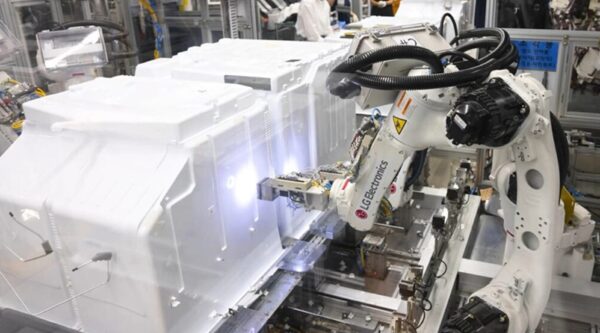
The manufacturing sector is undergoing a transformation as artificial intelligence becomes increasingly integrated into quality control processes. AI in defect prediction enables organizations to identify potential issues before they escalate, resulting in fewer errors, reduced waste, and improved product reliability. By leveraging machine learning algorithms and real-time data analysis, manufacturers can proactively address defects, streamline operations, and maintain a competitive edge.
As industries strive for higher efficiency and lower costs, the adoption of predictive technologies is accelerating. This article explores how smart systems are reshaping quality assurance, the benefits of implementing these solutions, and practical considerations for manufacturers looking to embrace this technology. For those interested in related applications, understanding how AI detects subtle anomalies in sensor telemetry can provide additional context on the broader impact of artificial intelligence in industrial settings.
Understanding Predictive Quality Control in Manufacturing
Predictive quality control refers to the use of advanced analytics and artificial intelligence to anticipate and prevent defects before they occur. Unlike traditional inspection methods, which often detect problems after production, AI-driven systems analyze data from sensors, cameras, and other sources in real time. This approach allows for immediate feedback and intervention, minimizing the risk of defective products reaching customers.
The core of these systems lies in their ability to learn from historical data. By examining patterns associated with past defects, machine learning models can identify subtle warning signs that might escape human inspectors. Over time, these models become more accurate, adapting to new production variables and evolving manufacturing environments.
How AI-Based Defect Prediction Works
The process of implementing AI in defect prediction typically involves several key steps:
- Data Collection: Gathering information from production lines, including images, sensor readings, and process parameters.
- Data Preprocessing: Cleaning and organizing data to ensure consistency and accuracy for model training.
- Model Training: Using machine learning algorithms to identify patterns linked to defects, often leveraging supervised or unsupervised learning techniques.
- Real-Time Monitoring: Deploying trained models to monitor ongoing production, flagging anomalies or deviations from expected patterns.
- Continuous Improvement: Updating models as new data becomes available, ensuring ongoing accuracy and adaptability.
This workflow enables manufacturers to catch potential issues early, reducing the likelihood of costly recalls or customer complaints.
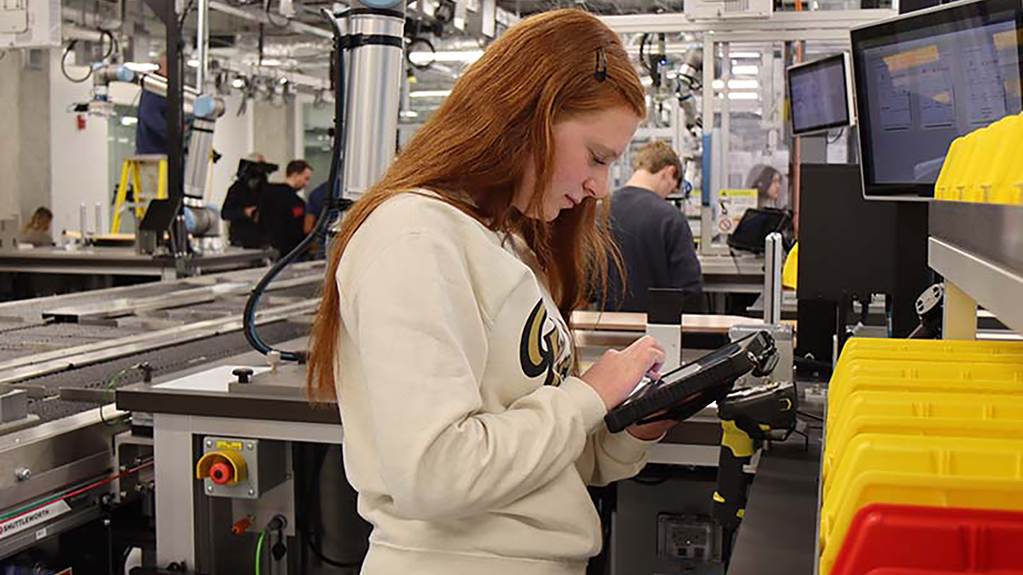
Key Benefits of Machine Learning for Error Reduction
Integrating artificial intelligence into defect detection and prediction offers several significant advantages:
- Increased Accuracy: AI models can detect minute deviations and complex patterns that may be missed by human inspectors or rule-based systems.
- Faster Response: Real-time monitoring enables immediate corrective action, reducing downtime and preventing the spread of defects.
- Cost Savings: By minimizing scrap, rework, and warranty claims, manufacturers can achieve substantial financial benefits.
- Scalability: AI-driven systems can be deployed across multiple production lines or facilities, adapting to different products and processes.
- Continuous Learning: As more data is collected, models improve over time, leading to ongoing enhancements in quality control.
These benefits contribute to a more resilient and efficient manufacturing operation, supporting both short-term performance and long-term growth.
Real-World Applications of Predictive AI in Industry
The use of AI for defect prediction is expanding across a wide range of sectors, from automotive and electronics to pharmaceuticals and aerospace. For example, in automotive manufacturing, AI-powered vision systems inspect welds, paint finishes, and component assemblies with remarkable precision. In electronics, machine learning algorithms monitor soldering quality and identify faulty circuit boards before they reach final assembly.
According to this overview of AI in manufacturing, companies are also leveraging predictive analytics to optimize maintenance schedules, reduce unplanned downtime, and improve overall equipment effectiveness. By integrating these technologies, manufacturers can achieve higher yields and maintain consistent product quality.
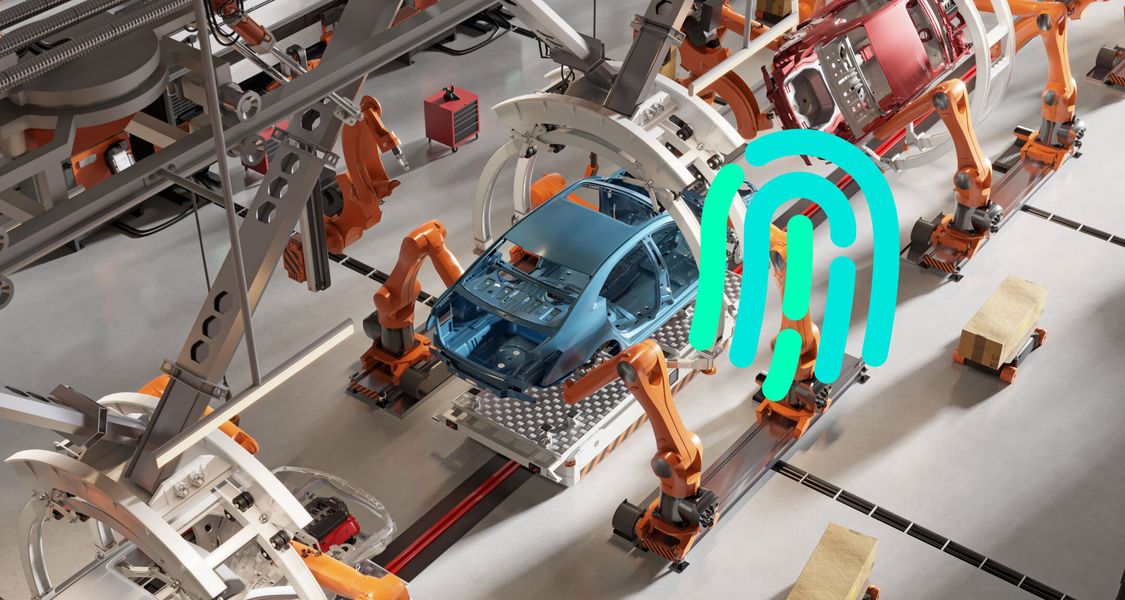
Challenges and Considerations for Implementation
While the advantages of predictive AI are clear, successful deployment requires careful planning. Some of the main challenges include:
- Data Quality: Inaccurate or incomplete data can lead to unreliable predictions. Ensuring high-quality data collection is essential.
- Integration: Connecting AI systems with existing manufacturing equipment and IT infrastructure may require custom solutions or upgrades.
- Change Management: Employees may need training to work alongside new technologies and interpret AI-generated insights.
- Cost: Initial investment in hardware, software, and expertise can be significant, though long-term savings often outweigh upfront costs.
- Security and Privacy: Protecting sensitive production data from cyber threats is a growing concern as more systems become interconnected.
Addressing these challenges involves collaboration between IT, operations, and quality assurance teams. A phased approach—starting with pilot projects and scaling up—can help organizations realize benefits while minimizing risk.
Future Trends in Automated Defect Detection
As artificial intelligence continues to evolve, new trends are emerging in the field of predictive quality control. Edge computing is enabling real-time analysis directly on the factory floor, reducing latency and improving responsiveness. Advances in computer vision and deep learning are making it possible to detect even more subtle defects, while cloud-based platforms support scalable, centralized monitoring across global operations.
Additionally, the integration of AI with other smart manufacturing technologies—such as the Industrial Internet of Things (IIoT) and digital twins—is creating a more connected and intelligent production environment. These innovations promise to further enhance the accuracy, speed, and adaptability of defect prediction systems.
For those interested in the broader impact of AI on industrial safety and reliability, exploring topics like the impact of AI on interceptor hit-to-kill probability can provide valuable insights into how predictive analytics are shaping high-stakes environments.
FAQ: AI and Defect Prediction in Manufacturing
What types of defects can AI systems detect in manufacturing?
AI-powered systems can identify a wide range of defects, including surface imperfections, dimensional inaccuracies, assembly errors, and material inconsistencies. By analyzing data from cameras, sensors, and production logs, these systems can spot both visible and hidden issues that might otherwise go unnoticed.
How does predictive AI differ from traditional quality control methods?
Traditional quality control often relies on manual inspections or fixed rules, which can be time-consuming and prone to human error. Predictive AI uses machine learning to analyze large datasets, recognize complex patterns, and provide real-time alerts, resulting in faster and more accurate defect detection.
Is it difficult to integrate AI-based defect prediction into existing manufacturing processes?
Integration can present challenges, especially when dealing with legacy equipment or fragmented data sources. However, many modern AI solutions are designed to be modular and compatible with a variety of systems. Starting with a pilot project and gradually expanding the implementation can help ease the transition.
Can AI help reduce manufacturing costs?
Yes, by minimizing scrap, rework, and warranty claims, AI-driven defect prediction can lead to significant cost savings. Additionally, improved product quality can enhance brand reputation and customer satisfaction.
Conclusion
The adoption of AI in defect prediction is transforming manufacturing by enabling earlier detection of issues, reducing waste, and supporting continuous improvement. As technology advances, these systems will become even more integral to achieving operational excellence and maintaining a competitive advantage. Manufacturers who invest in predictive quality control today are positioning themselves for greater efficiency, reliability, and long-term success.