
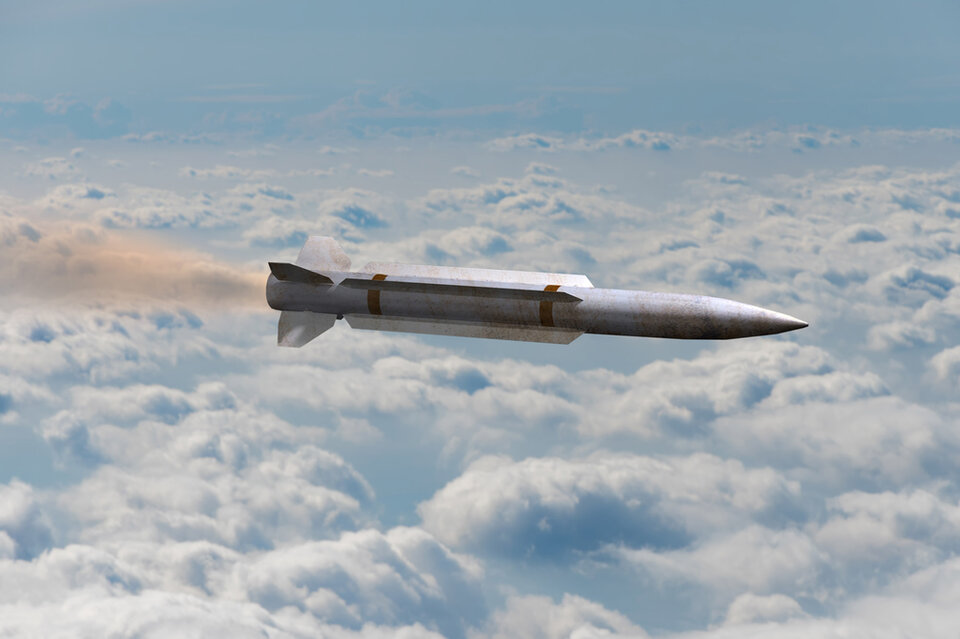
Modern missile defense systems face increasingly complex threats that demand rapid, precise responses. As adversaries deploy faster and more sophisticated missiles, the need for seamless integration between ground-based and sea-based interceptors has become critical. Artificial intelligence is now at the forefront of this evolution, enabling real-time coordination and decision-making that human operators alone cannot achieve. Understanding how AI coordinates ground-based and sea-based interceptors is essential for grasping the future of multi-domain defense.
AI-driven command and control platforms are transforming the way defensive assets communicate, share data, and engage incoming threats. By leveraging machine learning, sensor fusion, and predictive analytics, these systems can optimize interceptor launches, minimize response times, and improve overall effectiveness. For those interested in related advancements, exploring impact of ai on interceptor hit-to-kill probability provides additional insight into the growing role of artificial intelligence in missile defense.
AI-Driven Integration of Land and Naval Defense Systems
The integration of ground and sea-based interceptors relies on the ability to process vast streams of sensor data from multiple domains. AI algorithms analyze radar, infrared, and satellite feeds to detect, track, and classify threats. This information is then shared across platforms, allowing both land-based batteries and naval vessels to operate as a unified network. The result is a more resilient and adaptive defense posture, capable of countering saturation attacks and maneuvering warheads.
One of the main advantages of using artificial intelligence in this context is its speed. Where traditional systems might require manual coordination or sequential handoffs, AI can instantly assign the optimal interceptor—whether on land or at sea—based on trajectory, speed, and threat assessment. This reduces the risk of redundant launches and ensures that each missile is engaged by the most suitable platform.
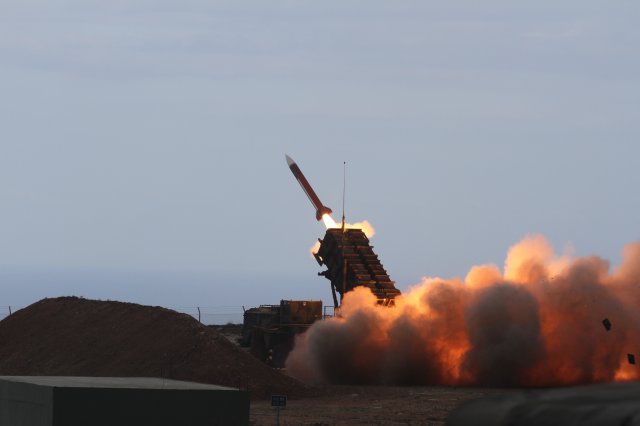
How AI Coordinates Ground-Based and Sea-Based Interceptors in Real Time
At the heart of this coordination is a sophisticated decision engine powered by machine learning. When a potential threat is detected, the AI system evaluates a range of variables:
- Threat type and trajectory
- Interceptor readiness and location
- Environmental conditions (weather, sea state, terrain)
- Rules of engagement and asset prioritization
By processing these factors in milliseconds, AI can determine which interceptor—ground-based or sea-based—should engage the target. It can also recommend simultaneous launches from multiple platforms if needed, maximizing the probability of a successful intercept.
For example, if a missile is approaching from an angle that favors a naval vessel’s coverage, the AI may prioritize a sea-based launch. Conversely, if the threat is best countered by a land-based system, the AI will allocate resources accordingly. This dynamic allocation is continuously updated as new data arrives, ensuring the defense network remains agile and responsive.
Sensor Fusion and Data Sharing Across Domains
Effective coordination depends on the seamless fusion of data from diverse sensors. AI excels at integrating information from ground radars, shipborne sensors, and even airborne platforms. This multi-domain awareness enables the system to build a comprehensive picture of the battlespace, reducing blind spots and minimizing the risk of surprise attacks.
Advanced algorithms can also detect subtle anomalies in sensor telemetry, improving reliability and reducing false alarms. For a deeper dive into this aspect, see how how ai detects subtle anomalies in sensor telemetry enhances the accuracy of threat identification.
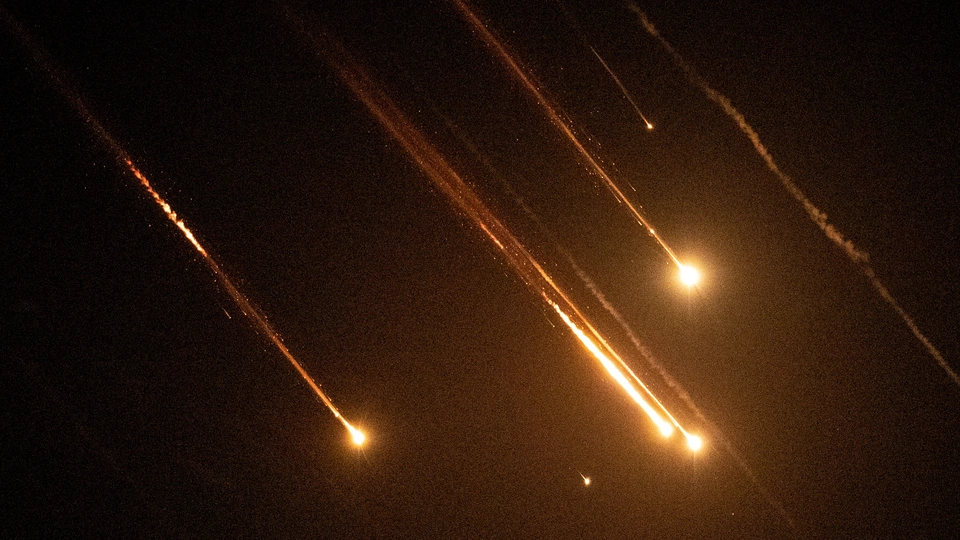
Advantages of AI-Enabled Multi-Domain Missile Defense
The use of artificial intelligence to coordinate interceptors across land and sea offers several key benefits:
- Faster response times: AI can process and act on data far more quickly than human operators.
- Resource optimization: By selecting the best-suited interceptor for each threat, AI reduces waste and increases effectiveness.
- Improved resilience: If one platform is compromised or overwhelmed, others can seamlessly take over.
- Scalability: AI systems can manage large numbers of interceptors and threats simultaneously, adapting to evolving attack patterns.
These capabilities are especially important as adversaries develop new tactics, such as salvo launches and maneuvering warheads, designed to defeat traditional defenses. AI’s ability to adapt and learn from each engagement ensures that defensive networks remain effective even as threats evolve.
Challenges and Considerations in AI Coordination
While the benefits are significant, there are also challenges to implementing AI-driven coordination. Ensuring secure, reliable communications between ground and sea platforms is paramount, as is maintaining the integrity of shared data. Cybersecurity measures must be robust to prevent adversaries from disrupting or deceiving the AI system.
Another consideration is the need for transparency and human oversight. Although AI can automate many decisions, human operators must remain in the loop to validate actions and intervene when necessary. This balance between automation and control is critical for both operational effectiveness and ethical accountability.
For those interested in how AI is being applied to related defense technologies, the article on role of ai in directing directed energy weapons offers further perspective on the expanding role of artificial intelligence in modern warfare.
Future Developments in AI-Driven Interceptor Coordination
Looking ahead, ongoing research is focused on enhancing the predictive capabilities of AI systems. By analyzing historical data and simulating potential attack scenarios, AI can anticipate enemy tactics and pre-position interceptors for optimal coverage. Integration with space-based sensors and unmanned platforms will further expand the reach and effectiveness of these networks.
Emerging technologies such as quantum computing and advanced neural networks promise to accelerate decision-making even further, enabling near-instantaneous responses to complex, multi-vector attacks. As these innovations mature, the synergy between ground and sea-based interceptors will become even more seamless and robust.
For a broader overview of how AI is transforming multi-domain targeting and defense, see this in-depth analysis of AI-driven targeting systems enhancing multi-domain operations.
FAQ: AI and Multi-Domain Interceptor Coordination
How does AI improve the speed of missile defense responses?
AI processes sensor data and threat information in real time, enabling it to make split-second decisions about which interceptor to deploy. This rapid analysis reduces response times compared to manual coordination, allowing defensive systems to counter fast-moving threats more effectively.
What types of data does AI use to coordinate interceptors?
AI systems integrate data from ground-based radars, shipborne sensors, satellites, and other sources. By fusing this information, the AI can track threats, assess trajectories, and allocate resources across land and sea platforms for optimal defense.
Are there risks associated with automating interceptor coordination?
While automation offers many benefits, it also introduces risks such as cybersecurity vulnerabilities and the potential for unintended actions. Maintaining strong security protocols and ensuring human oversight are essential to mitigate these risks and maintain trust in AI-driven systems.