
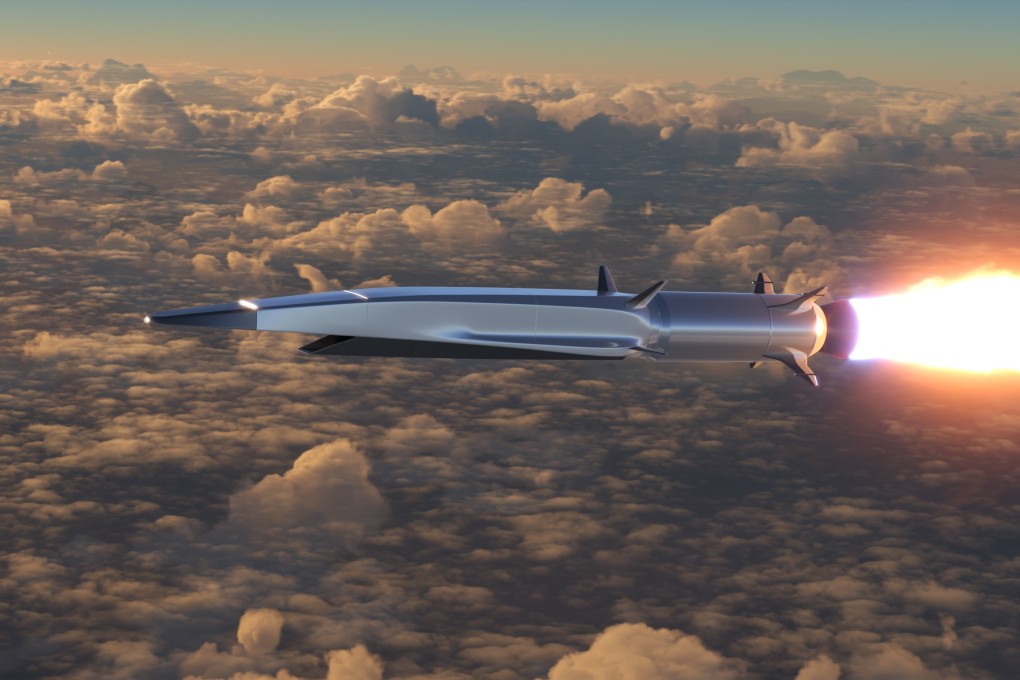
Artificial intelligence is rapidly transforming the way defense and security agencies detect and respond to weapons of mass destruction. The ability to accurately recognize chemical and biological warhead threats is critical for global safety and military preparedness. By leveraging advanced algorithms, sensor fusion, and real-time data analysis, AI systems are now able to process vast streams of information and identify potential hazards far more efficiently than traditional methods.
Understanding how AI identifies chemical or biological warheads requires a look at the intersection of machine learning, sensor technology, and domain expertise. These systems must distinguish between benign and dangerous payloads, often under time pressure and with incomplete information. This article explores the core technologies, practical applications, and challenges involved in using AI to detect these sophisticated threats.
For those interested in related advances, our coverage on how ai identifies the type of fuel used in a missile launch provides additional context on AI’s role in modern missile defense.
AI-Powered Detection: Core Principles and Technologies
At the heart of AI-based threat identification is the ability to analyze complex sensor data and recognize patterns that indicate the presence of hazardous materials. These systems typically rely on a combination of:
- Sensor fusion – Integrating data from multiple sources, such as infrared, ultraviolet, mass spectrometry, and radar, to create a comprehensive picture of a suspected warhead.
- Machine learning models – Training algorithms on large datasets of known chemical and biological agents, enabling the system to classify unknown samples based on learned features.
- Real-time analytics – Processing incoming data streams instantly to provide actionable intelligence to decision-makers.
Sensor fusion is particularly important, as it allows AI to compensate for the limitations of individual sensors. For a deeper dive into this concept, see this introduction to sensor fusion and its applications.
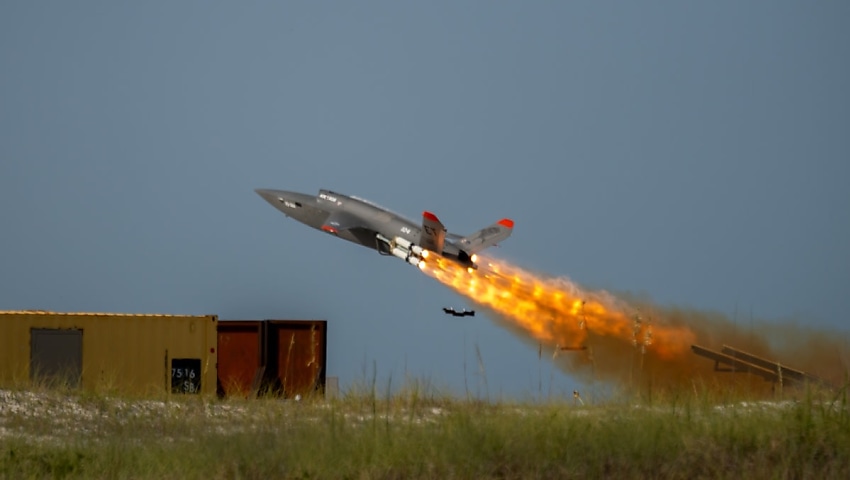
How AI Distinguishes Chemical and Biological Payloads
Discriminating between conventional, chemical, and biological warheads is a complex challenge. AI systems approach this by examining a range of indicators:
- Spectral signatures – Chemical agents often emit unique spectral patterns when exposed to certain wavelengths of light. AI can match these patterns to known substances.
- Thermal and radiological data – Biological agents may require specific environmental conditions for storage, which can be detected through subtle temperature or humidity variations.
- Material analysis – Advanced sensors can detect trace elements or compounds that are characteristic of chemical or biological payloads.
By combining these data points, AI can assign a probability score to each detected object, helping analysts prioritize which threats require immediate attention. This process is continually refined as more data is collected and algorithms are updated.
Machine Learning Models for Threat Identification
Modern AI systems use a variety of machine learning techniques to improve accuracy and reduce false positives. Some of the most common approaches include:
- Supervised learning – Algorithms are trained on labeled datasets containing examples of both hazardous and non-hazardous warheads. The model learns to recognize distinguishing features.
- Unsupervised learning – AI clusters data without predefined labels, helping to identify previously unknown threat types or novel agent combinations.
- Deep learning – Neural networks with multiple layers can process highly complex data, such as hyperspectral images or mass spectrometry outputs, to detect subtle differences between payloads.
Continuous training and validation are essential for maintaining the reliability of these models. As new threats emerge, datasets must be updated to ensure the AI remains effective against evolving tactics.
Integrating AI with Defense Systems
For AI-driven detection to be effective, it must be seamlessly integrated with existing defense infrastructure. This includes missile tracking systems, early warning networks, and command-and-control platforms. Key integration points include:
- Automated alerting – When a potential chemical or biological threat is detected, AI can trigger alerts for rapid response teams, minimizing human delay.
- Decision support – AI-generated threat assessments assist commanders in making informed decisions about interception, containment, or evacuation.
- Data sharing – Secure communication channels allow AI insights to be distributed across allied forces and international agencies.
Interoperability and cybersecurity are ongoing concerns, as adversaries may attempt to evade detection or disrupt AI systems. Regular updates and rigorous testing are required to maintain operational readiness.
Challenges and Limitations of AI-Based Detection
While AI offers significant advantages, there are notable challenges in the field of chemical and biological threat identification:
- Data scarcity – Real-world examples of chemical and biological warheads are rare, making it difficult to build comprehensive training datasets.
- Adversarial tactics – Opponents may use decoys, shielding, or novel agents to confuse AI systems.
- False positives and negatives – High-stakes environments demand extremely low error rates, as mistakes can have severe consequences.
- Ethical considerations – Automated threat identification must be balanced with human oversight to prevent unintended escalation or misuse.
Ongoing research is focused on improving model robustness, expanding datasets, and developing explainable AI systems that provide transparent reasoning for their decisions.
Related Advances in AI for Defense
The use of artificial intelligence in identifying unconventional threats is part of a broader trend in military technology. For example, AI is also being used to improve interceptor hit-to-kill probability and to detect subtle anomalies in sensor telemetry. These innovations highlight the growing reliance on machine learning for both detection and response in high-stakes scenarios.
Additionally, AI’s role in preventing accidental launches and in directing directed energy weapons demonstrates its versatility across multiple domains of defense technology.
Frequently Asked Questions
What types of sensors are used by AI to detect chemical or biological warheads?
AI systems rely on a combination of sensors, including infrared, ultraviolet, mass spectrometry, and radar. By fusing data from these sources, AI can identify unique signatures associated with hazardous materials, increasing detection accuracy.
How does AI reduce false positives in threat identification?
Machine learning models are trained on extensive datasets to distinguish between benign and dangerous substances. Continuous learning, validation, and the integration of multiple data sources help minimize errors and improve reliability in operational environments.
Can AI keep up with new or unknown chemical and biological threats?
AI systems are designed to adapt as new data becomes available. Unsupervised learning and anomaly detection techniques allow AI to flag unusual patterns, even if they do not match known threats. However, ongoing data collection and model updates are essential to maintain effectiveness against emerging hazards.
In summary, the integration of artificial intelligence into defense systems is reshaping the way chemical and biological threats are detected and managed. By combining advanced sensors, machine learning, and real-time analytics, AI offers a powerful tool for safeguarding against some of the most dangerous weapons in existence.