
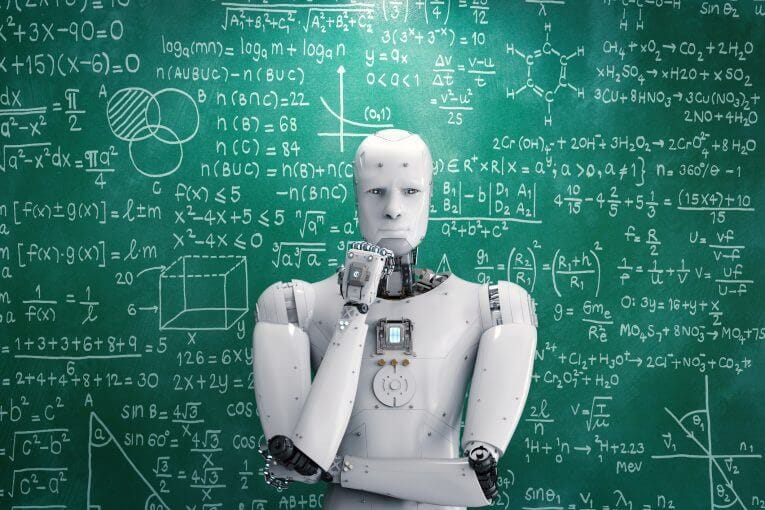
Artificial intelligence is rapidly transforming the educational landscape. From personalized learning platforms to automated grading systems, AI is being integrated into classrooms and universities worldwide. As these technologies become more prevalent, understanding AI effectiveness in education is crucial for educators, administrators, and policymakers aiming to maximize student outcomes and streamline teaching processes.
This article explores how AI is being used to enhance learning, the benefits and challenges it brings, and what current research says about its impact on student achievement. For those interested in specific applications, our resource on AI and learning outcomes in STEM offers a deeper look at subject-specific results.
How Artificial Intelligence Is Shaping Modern Classrooms
The integration of AI tools in education has led to significant changes in how students learn and teachers instruct. Adaptive learning platforms, for example, analyze student performance in real time and adjust content difficulty to suit individual needs. This approach helps address learning gaps more efficiently than traditional one-size-fits-all methods.
In addition, AI-powered chatbots and virtual tutors are available around the clock, providing students with instant feedback and support outside regular classroom hours. These technologies not only increase accessibility but also encourage self-paced learning, which can be especially beneficial for students with varying learning speeds.

Key Benefits of AI-Driven Educational Tools
The use of artificial intelligence in learning environments offers several notable advantages:
- Personalization: AI systems can tailor lessons and assignments to each student’s strengths and weaknesses, promoting deeper understanding.
- Efficiency: Automated grading and administrative tasks free up teachers’ time, allowing them to focus on instruction and student engagement.
- Accessibility: AI-powered translation and speech-to-text tools help break down language and ability barriers, making education more inclusive.
- Data-Driven Insights: Educators gain valuable analytics on student progress, enabling early intervention and targeted support.
For a closer look at how these benefits play out in higher education, see our article on AI in higher education STEM.
Challenges and Limitations of AI in Learning Environments
Despite its promise, the adoption of AI in schools and universities is not without challenges. One major concern is data privacy. AI systems require access to large amounts of student data to function effectively, raising questions about how this information is stored and used.
Another limitation is the risk of bias in AI algorithms. If the data used to train these systems is not representative, it can lead to unfair outcomes or reinforce existing inequalities. Additionally, not all students and teachers have equal access to the necessary technology, which can widen the digital divide.
Teachers may also need additional training to effectively integrate AI tools into their classrooms. Without proper support, the technology may not be used to its full potential, limiting its positive impact.
Research Findings on AI Effectiveness in Education
Recent studies have begun to shed light on how well AI-powered tools actually improve learning outcomes. Evidence suggests that adaptive learning systems can boost student performance, particularly in STEM subjects. For example, a growing body of research highlights the positive effects of AI on student engagement and retention in science and mathematics courses.
However, the results are not universally positive. Some studies indicate that while AI can help with basic skills and knowledge acquisition, its impact on critical thinking and creativity is less clear. The effectiveness of these tools often depends on how they are implemented and the context in which they are used.
To explore how AI is transforming STEM education specifically, the article AI in STEM education: transforming learning provides a detailed overview of current trends and research findings.
Best Practices for Implementing AI in Schools and Universities
To maximize the advantages of AI while minimizing risks, educational institutions should consider the following best practices:
- Start Small: Pilot AI tools in select classrooms or departments before scaling up to the entire institution.
- Prioritize Training: Provide teachers and staff with ongoing professional development to ensure they are comfortable using new technologies.
- Focus on Equity: Ensure all students have access to devices and internet connectivity needed to benefit from AI-powered resources.
- Monitor Outcomes: Regularly assess the impact of AI tools on student learning and make adjustments as needed.
- Protect Privacy: Implement strong data protection policies and be transparent with students and parents about how data is used.
For more on classroom management and the role of artificial intelligence, our post on AI for classroom management discusses practical strategies and considerations.
Future Prospects: Where Is AI in Education Heading?
As technology evolves, the potential for AI to further enhance education continues to grow. Future developments may include more sophisticated adaptive learning systems, improved natural language processing for real-time feedback, and greater integration with virtual and augmented reality platforms.
There is also a growing emphasis on using AI to support inclusive learning environments. Tools designed to accommodate students with disabilities or those from diverse linguistic backgrounds are becoming more advanced, helping to ensure that educational opportunities are accessible to all.
For educators interested in fostering inclusive classrooms, our guide on AI for inclusive STEM learning offers actionable insights.
FAQ: Common Questions About AI and Its Impact on Education
How does AI personalize the learning experience for students?
AI-driven platforms analyze each student’s performance and learning style, then adapt content and pacing to fit individual needs. This helps students master concepts at their own speed and receive targeted support where needed.
Are there risks associated with using AI in schools?
Yes, there are concerns about data privacy, algorithmic bias, and equitable access to technology. It’s important for schools to implement robust data protection measures and ensure all students benefit equally from AI tools.
Can AI replace teachers in the classroom?
While AI can automate certain tasks and provide supplemental instruction, it is not a substitute for human educators. Teachers play a critical role in fostering critical thinking, creativity, and social-emotional skills that technology alone cannot replicate.
What subjects benefit most from AI integration?
Research shows that STEM subjects—science, technology, engineering, and mathematics—often see the greatest gains from AI-powered learning tools, though applications in language arts and social studies are also expanding.
How can schools ensure successful AI adoption?
Successful implementation depends on careful planning, ongoing teacher training, regular evaluation of outcomes, and a strong focus on student privacy and equity.