
Modern airspace is more crowded and complex than ever before. With thousands of flights traversing the skies daily, distinguishing between commercial airliners and military jets is a critical task for defense agencies, air traffic controllers, and security organizations. How AI helps distinguish between civilian and military aircraft has become a central question as artificial intelligence transforms aerospace monitoring and threat detection.
By leveraging advanced algorithms, machine learning, and sensor data, AI systems can rapidly analyze vast amounts of information to identify the unique characteristics of each aircraft type. This capability is essential not only for national security but also for preventing accidental engagements and ensuring safe skies. For those interested in how artificial intelligence is applied in related aerospace domains, you may want to explore how AI identifies the type of fuel used in a missile launch for further insights into AI’s expanding role in defense analytics.
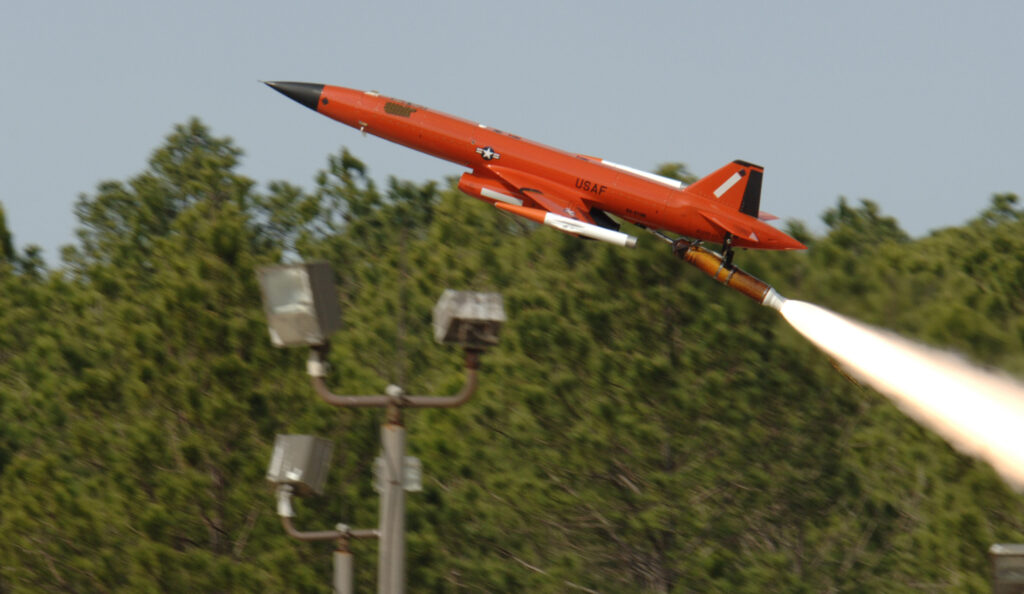
Understanding the Need for Accurate Aircraft Identification
The distinction between civilian and military aircraft is not always obvious. While commercial planes follow predictable flight paths and emit standardized transponder signals, military aircraft may use stealth technology, fly unconventional routes, or operate without broadcasting their identity. This complexity makes manual identification time-consuming and error-prone, especially in high-traffic or contested airspace.
AI-driven systems address these challenges by automating the recognition process. They can process radar, satellite imagery, radio signals, and other sensor data far faster than human analysts. By doing so, they reduce the risk of misidentification and help prevent incidents that could escalate into international crises.
Key Technologies Behind AI-Based Aircraft Classification
Several technological advances enable how ai helps distinguish between civilian and military aircraft in real-world scenarios. The most important include:
- Machine Learning Models: AI systems are trained on large datasets containing labeled examples of both civilian and military aircraft. These models learn to recognize subtle differences in shape, size, flight behavior, and emissions.
- Sensor Fusion: By combining data from multiple sources—such as radar, infrared, and visual cameras—AI can form a more complete picture of an aircraft’s identity.
- Pattern Recognition: Algorithms detect unique patterns in flight paths, speed, and maneuverability that are typical of military or civilian operations.
- Signal Analysis: AI can analyze radio frequency emissions and transponder codes to verify the authenticity of an aircraft’s broadcasted identity.
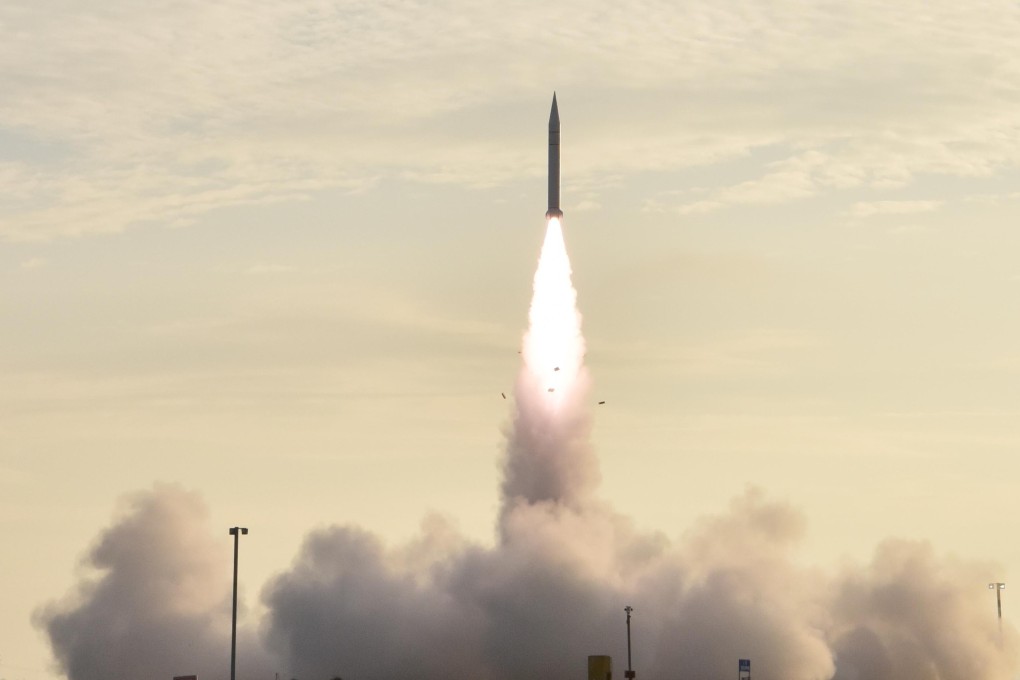
How AI Analyzes Aircraft Features and Behaviors
One of the most powerful aspects of artificial intelligence in this field is its ability to analyze a wide range of aircraft features simultaneously. Here’s how AI systems typically approach the task:
- Shape and Size Recognition: Deep learning models can process images or radar signatures to identify the outline and dimensions of an aircraft. Military jets often have distinct profiles compared to commercial airliners.
- Flight Pattern Analysis: Civilian flights usually follow scheduled routes and maintain steady speeds. In contrast, military aircraft may perform abrupt maneuvers, fly at unusual altitudes, or operate in formation.
- Transponder and Communication Signals: AI can cross-reference transponder codes with known databases. If an aircraft is flying without a transponder or using a suspicious code, it may be flagged for further investigation.
- Thermal and Radar Signatures: Military aircraft may use stealth coatings or heat suppression, but AI can still detect anomalies in their radar or infrared signatures when compared to civilian planes.
For a deeper look at how artificial intelligence interprets sensor data, see this resource on how AI detects subtle anomalies in sensor telemetry.
Applications in Airspace Security and Defense
The practical uses of how ai helps distinguish between civilian and military aircraft extend across several domains:
- Border Protection: Automated systems can alert authorities to unauthorized military flights near national borders.
- Air Traffic Management: AI helps ensure that civilian airliners are not mistaken for military threats, reducing the risk of accidental engagements.
- Early Warning Systems: Defense organizations use AI to monitor for potential incursions or hostile activity, enabling faster and more accurate responses.
- Incident Investigation: After an airspace violation, AI can assist in reconstructing events by analyzing recorded sensor data and flight logs.
Challenges and Limitations of AI in Aircraft Differentiation
While artificial intelligence has made significant progress, there are still challenges in reliably distinguishing between aircraft types:
- Stealth Technology: Advanced military aircraft are designed to evade detection, making it harder for AI to identify them using conventional sensors.
- Spoofing and Deception: Adversaries may use false transponder codes or mimic civilian flight patterns to avoid detection.
- Data Quality: AI systems rely on high-quality, up-to-date datasets. Poor or incomplete data can lead to misclassification.
- Rapidly Evolving Threats: New aircraft designs and tactics require continuous retraining and updating of AI models.
Despite these hurdles, the integration of AI into airspace monitoring continues to improve, offering faster and more accurate identification than traditional methods.
Recent Advances and Future Prospects
Recent years have seen notable progress in the use of artificial intelligence for aircraft classification. Advances in deep learning, real-time data processing, and multi-sensor integration are making AI systems more robust and reliable. For example, new algorithms can now detect subtle differences in radar cross-sections or analyze encrypted communication patterns to flag suspicious activity.
Looking ahead, the next generation of AI-powered airspace monitoring will likely incorporate even more sophisticated techniques, such as predictive analytics and autonomous decision-making. These systems may eventually be able to anticipate potential threats before they materialize, further enhancing airspace security.
For a broader perspective on how AI is being used to sense and interpret invisible signals in aerospace and defense, see this in-depth article on AI-powered sensing technologies.
Integrating AI with Other Aerospace Technologies
Artificial intelligence does not operate in isolation. Its effectiveness in distinguishing between aircraft types is amplified when combined with other advanced technologies:
- Satellite Surveillance: High-resolution satellite imagery provides additional data points for AI analysis, especially in remote or contested regions.
- Mobile Radar Units: Deploying mobile radar systems, optimized by AI, increases coverage and adaptability. Learn more about how AI optimizes the placement of mobile radar units for enhanced detection.
- Automated Response Systems: AI can trigger automated alerts or defensive measures, reducing response times in critical situations.
By integrating these technologies, defense organizations can create a layered and adaptive airspace security network.
FAQ
How does AI differentiate between commercial and military aircraft using sensor data?
AI systems analyze a combination of radar signatures, flight patterns, transponder signals, and visual imagery. By comparing these data points to known profiles, AI can identify unique features associated with either commercial or military aircraft, even when some information is missing or intentionally obscured.
What are the main benefits of using AI for aircraft identification?
The primary advantages include faster processing of large volumes of data, reduced human error, and the ability to detect subtle or deceptive behaviors. AI also enables continuous monitoring and can adapt to new threats as they emerge.
Can AI systems be fooled by stealth or deceptive tactics?
While advanced AI can detect many forms of deception, such as spoofed transponder codes or unusual flight patterns, sophisticated stealth technology and rapidly evolving tactics can still pose challenges. Ongoing research and regular updates to AI models are essential to maintain high accuracy.
How is AI used to prevent accidental engagements in crowded airspace?
By accurately classifying aircraft and monitoring their behavior, AI helps ensure that civilian planes are not mistaken for military threats. This reduces the risk of accidental engagements and supports safer airspace management.
Where can I learn more about related AI applications in aerospace defense?
For further reading, consider exploring topics such as the impact of AI on interceptor hit-to-kill probability or the role of AI in preventing accidental launches.