

The landscape of science, technology, engineering, and mathematics (STEM) education is rapidly evolving, with digital innovation shaping how students learn and educators teach. Among these advancements, adaptive learning systems in STEM have emerged as a transformative force, offering tailored educational experiences that respond to each learner’s needs. By leveraging data-driven algorithms and artificial intelligence, these platforms personalize instruction, helping students master complex concepts at their own pace.
As more schools and universities integrate adaptive technologies, understanding how these systems function and their impact on STEM learning is essential for educators, students, and policymakers. For those interested in broader applications of artificial intelligence, you may also find insights in our article on how AI identifies the type of fuel used in a missile launch.
What Are Adaptive Learning Technologies?
Adaptive learning refers to educational platforms that adjust content, pacing, and feedback based on a student’s performance and learning style. Unlike traditional one-size-fits-all instruction, these systems use real-time data to identify strengths, weaknesses, and knowledge gaps. In STEM fields, where concepts often build upon one another, this personalized approach can be especially beneficial.
At their core, adaptive platforms use algorithms to analyze student responses, engagement levels, and progress. The system then modifies the sequence of lessons, provides targeted practice, or introduces new material as needed. This dynamic process helps ensure that learners remain challenged but not overwhelmed, supporting both remediation and acceleration.
How Adaptive Learning Systems Enhance STEM Education
The integration of adaptive learning systems in STEM classrooms brings several key advantages. These benefits extend to students, educators, and institutions seeking to improve outcomes and foster deeper understanding.
- Personalized Learning Paths: Each student receives content tailored to their current knowledge and skills, allowing for individualized progression through complex STEM topics.
- Immediate Feedback: Adaptive platforms provide instant feedback, enabling learners to correct mistakes and reinforce understanding before moving forward.
- Data-Driven Insights: Educators gain access to detailed analytics on student performance, helping them identify trends, intervene early, and adjust instruction accordingly.
- Increased Engagement: By matching content difficulty to a learner’s ability, adaptive systems help maintain motivation and reduce frustration, which is particularly important in challenging STEM courses.
- Scalability: These technologies can support large numbers of students with diverse backgrounds, making them ideal for both K-12 and higher education settings.
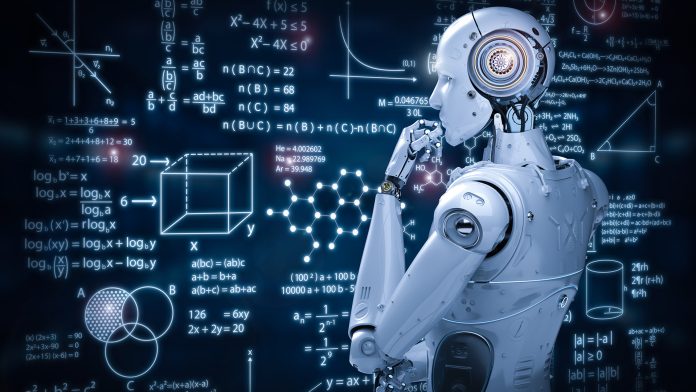
Key Features of Adaptive Platforms for STEM Subjects
Not all adaptive learning tools are created equal, especially when it comes to STEM education. The most effective systems share several core features designed to support mastery of technical concepts:
- Diagnostic Assessments: Initial tests or quizzes help determine a student’s baseline knowledge, allowing the platform to customize the starting point and learning trajectory.
- Dynamic Content Sequencing: Lessons and practice problems are reordered or adjusted in real time based on ongoing performance data.
- Interactive Simulations: Many STEM-focused platforms incorporate simulations, virtual labs, or manipulatives to help students visualize and experiment with scientific and mathematical concepts.
- Progress Monitoring: Dashboards and reports track student growth, time on task, and mastery of specific skills, supporting both self-directed learning and teacher intervention.
- Scaffolded Support: Hints, explanations, and supplementary resources are provided as needed, ensuring that learners have the help they require without becoming dependent on assistance.
Challenges and Considerations in Implementing Adaptive Learning in STEM
While the potential of adaptive learning in STEM is significant, successful implementation requires careful planning and awareness of certain challenges:
- Content Quality: The effectiveness of adaptive systems depends on the quality and depth of the underlying curriculum. Poorly designed content can limit learning gains.
- Equity and Access: Not all students have equal access to devices or reliable internet, which can create disparities in who benefits from these technologies.
- Teacher Training: Educators must be equipped to interpret data, integrate adaptive tools into their teaching, and provide the human support that technology cannot replace.
- Privacy and Data Security: Collecting and analyzing student data raises important questions about privacy and responsible use.

Real-World Examples and Applications
Numerous educational technology companies and research initiatives are advancing the use of adaptive learning in STEM. For instance, platforms like ALEKS, DreamBox, and Knewton offer personalized math and science instruction for students at various levels. In higher education, adaptive systems are being used to support introductory courses in calculus, chemistry, and computer science, helping to reduce dropout rates and improve comprehension.
These tools are also being adopted in blended and online learning environments, where they can supplement traditional instruction or serve as the primary mode of delivery. The flexibility of adaptive systems makes them suitable for a range of educational settings, from large public schools to specialized STEM academies.
For a broader perspective on how artificial intelligence is transforming education, you can explore AI’s role in modern classrooms and the implications for future teaching and learning.
Future Trends in Adaptive Learning for STEM
As technology continues to advance, several trends are shaping the future of adaptive learning in technical disciplines:
- Integration with Artificial Intelligence: More sophisticated AI algorithms are enabling deeper personalization, predictive analytics, and even automated content creation.
- Expanded Subject Coverage: Adaptive systems are moving beyond math and science to include engineering, coding, and interdisciplinary STEM fields.
- Collaborative Learning Features: New platforms are incorporating group work, peer feedback, and social learning elements to complement individualized instruction.
- Mobile and Offline Access: Efforts are underway to make adaptive learning tools more accessible on mobile devices and in low-connectivity environments, helping to bridge the digital divide.
FAQ: Adaptive Learning in STEM
How do adaptive learning platforms determine what a student needs?
These systems use algorithms to analyze student responses, time spent on tasks, and patterns of errors. Based on this data, they adjust the difficulty, sequence, and type of content presented, ensuring that each learner receives targeted support and challenges appropriate to their current level.
Are adaptive learning systems effective for all STEM subjects?
While adaptive technologies are widely used in mathematics and science, their effectiveness depends on the quality of the content and the specific needs of the subject. Some disciplines, such as engineering and technology, may require additional hands-on or collaborative components that adaptive platforms are beginning to address.
What should educators consider before adopting adaptive learning tools?
Teachers and administrators should evaluate the alignment of the platform’s curriculum with learning objectives, ensure data privacy and security, provide adequate training for staff, and consider student access to technology. It’s also important to use adaptive tools as a supplement to, not a replacement for, skilled teaching.