
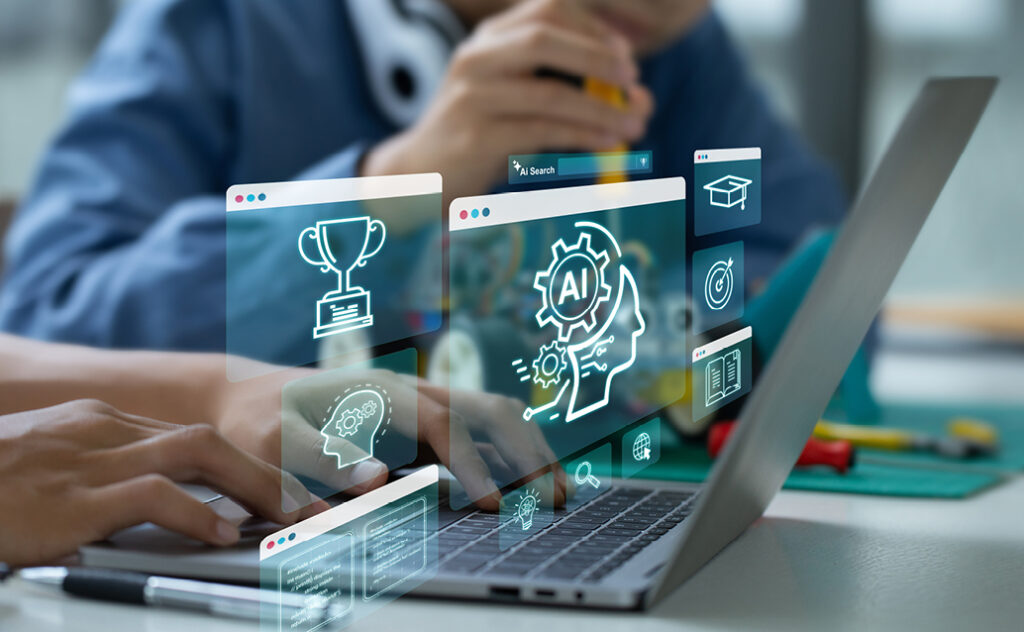
As artificial intelligence continues to transform industries, education systems are evolving to prepare students for a future shaped by these technologies. An AI aligned STEM curriculum integrates artificial intelligence concepts and tools directly into science, technology, engineering, and mathematics education. This approach aims to equip learners with the knowledge and skills needed to thrive in a world where AI is increasingly central to innovation and problem-solving.
By embedding AI principles within STEM subjects, educators can foster critical thinking, computational literacy, and ethical awareness. This article explores the structure, benefits, and challenges of incorporating AI into STEM learning, offering insights for teachers, administrators, and parents interested in modernizing educational pathways.
For those interested in the intersection of artificial intelligence and defense technologies, you may also find our article on how AI identifies the type of fuel used in a missile launch insightful.
What Makes a Curriculum AI-Focused?
Traditional STEM programs emphasize foundational skills in mathematics, science, engineering, and technology. However, an AI aligned STEM curriculum goes further by weaving artificial intelligence concepts throughout these disciplines. This includes teaching students about machine learning, data analysis, neural networks, and automation as part of their regular coursework.
Key elements of this approach often include:
- Introducing AI fundamentals such as algorithms, pattern recognition, and data-driven decision-making.
- Hands-on projects involving robotics, coding, and real-world problem solving with AI tools.
- Discussions on the ethical, social, and economic impacts of artificial intelligence.
- Collaboration with industry partners to ensure content remains relevant to current and future job markets.

Core Components of an AI-Infused STEM Program
To effectively integrate artificial intelligence into STEM education, several core components are essential:
AI Literacy and Computational Thinking
Students are introduced to the basics of how AI works, including the principles behind machine learning and data science. Computational thinking—breaking down problems into manageable parts and creating step-by-step solutions—is emphasized as a foundational skill.
Project-Based Learning with AI Tools
Learners engage in hands-on projects that utilize AI platforms, such as building simple chatbots, training image recognition models, or programming robots. This practical experience helps demystify artificial intelligence and shows its real-world applications.
Ethics and Responsible AI Use
A modern AI aligned STEM curriculum addresses the ethical considerations of artificial intelligence. Students discuss topics like data privacy, algorithmic bias, and the societal impact of automation, preparing them to use AI responsibly.
Collaboration and Interdisciplinary Learning
AI is not limited to computer science; it intersects with biology, physics, engineering, and even the humanities. Interdisciplinary projects encourage students to apply AI concepts across various subjects, fostering a holistic understanding.
Benefits of Integrating AI into STEM Education
Embedding artificial intelligence within STEM curricula offers several advantages:
- Future-Ready Skills: Students gain familiarity with technologies that are shaping the workforce, enhancing their employability and adaptability.
- Enhanced Problem-Solving: Exposure to AI-driven approaches encourages creative thinking and innovative solutions to complex challenges.
- Increased Engagement: Interactive projects and real-world applications make learning more relevant and motivating for students.
- Ethical Awareness: Early discussions about AI ethics help students become responsible digital citizens.

Challenges and Considerations
While the benefits are significant, implementing an AI aligned STEM curriculum is not without challenges:
- Teacher Training: Educators may need professional development to effectively teach AI concepts and use new tools.
- Resource Availability: Access to up-to-date technology, software, and hardware can be limited in some schools.
- Curriculum Development: Creating engaging, age-appropriate AI content that aligns with educational standards requires careful planning.
- Equity and Access: Ensuring all students, regardless of background, have opportunities to participate in AI-infused learning is essential.
For a deeper look at how artificial intelligence is influencing other high-tech fields, see our analysis on the impact of AI on interceptor hit-to-kill probability.
Real-World Examples and Resources
Many educational organizations and tech companies are developing resources to support the integration of artificial intelligence in STEM classrooms. For instance, Intel’s AI in Education initiative provides curriculum guides, teacher training, and student projects that make AI accessible at various grade levels.
Schools around the world are piloting AI-focused programs, from elementary coding clubs to advanced high school robotics teams. These initiatives demonstrate how artificial intelligence can be taught in engaging, age-appropriate ways, preparing students for a rapidly changing technological landscape.
How to Get Started with AI in STEM Classrooms
Educators and administrators interested in adopting an AI aligned STEM curriculum can start by:
- Assessing current STEM offerings to identify where AI concepts can be naturally integrated.
- Exploring open-source AI education resources and professional development opportunities for teachers.
- Partnering with local businesses, universities, or tech organizations to bring real-world expertise into the classroom.
- Encouraging student-led projects that use AI tools to solve community or global challenges.
- Staying informed about emerging trends and best practices in AI education.
For more on how artificial intelligence is used to detect subtle changes in complex systems, check out our article on how AI detects subtle anomalies in sensor telemetry.
Frequently Asked Questions
What is the main goal of integrating AI into STEM education?
The primary aim is to prepare students for a future where artificial intelligence is a core part of many industries. By learning about AI within STEM subjects, students develop technical, analytical, and ethical skills that are highly valued in today’s job market.
At what age should students start learning about artificial intelligence?
AI concepts can be introduced as early as elementary school, using age-appropriate activities such as pattern recognition games, basic coding, and discussions about smart devices. As students progress, more complex topics like machine learning and data analysis can be added.
How can schools ensure equitable access to AI education?
Schools can promote equity by providing access to technology, offering teacher training, and designing inclusive curricula that consider diverse learning needs. Partnerships with community organizations and leveraging open educational resources can also help bridge gaps.
As the landscape of education continues to evolve, integrating artificial intelligence into STEM learning is becoming essential. By embracing these changes, schools can empower students to become innovators and responsible citizens in an AI-driven world.