

As technology continues to reshape every industry, the importance of coding and AI education is rapidly increasing. Digital literacy is no longer a niche skill—it’s becoming a core requirement for students, professionals, and lifelong learners alike. From elementary schools to advanced research labs, the ability to understand and work with code and artificial intelligence is opening new doors and redefining what it means to be prepared for the future workforce.
The integration of programming and AI concepts into education is not just about preparing for tech jobs. It’s about fostering problem-solving abilities, critical thinking, and adaptability in a world where automation and intelligent systems are becoming the norm. As we explore the evolving landscape of digital learning, it’s clear that these skills are essential for navigating both current and emerging career paths.
For those interested in the intersection of artificial intelligence and real-world applications, you might find the article on how AI identifies the type of fuel used in a missile launch a valuable resource. This example highlights how AI knowledge is being applied in advanced fields, further emphasizing the need for robust digital education.
Why Digital Skills Matter in Modern Education
The digital transformation of society has made coding and AI education a priority for educational institutions worldwide. As automation and intelligent systems become more prevalent, the workforce needs to adapt. Students equipped with programming and artificial intelligence skills are better prepared to tackle complex challenges, innovate, and thrive in a dynamic job market.
Beyond technical roles, digital skills are increasingly valued in fields like healthcare, finance, logistics, and even the arts. Understanding how algorithms work, how data is processed, and how machines learn gives individuals a competitive edge. It also empowers them to make informed decisions and contribute meaningfully to their organizations.

Integrating Programming and AI into the Classroom
Schools and universities are increasingly incorporating coding and AI education into their curricula. This integration can take many forms, from introductory coding lessons in elementary schools to specialized AI courses at the university level. The goal is to provide students with a foundational understanding of how technology works and how it can be harnessed to solve real-world problems.
- Early exposure: Introducing programming concepts at a young age helps demystify technology and encourages curiosity.
- Project-based learning: Hands-on projects, such as building simple apps or training basic AI models, make abstract concepts tangible and engaging.
- Interdisciplinary approach: Combining coding with subjects like mathematics, science, and art fosters creativity and deeper learning.
- Teacher training: Equipping educators with the tools and knowledge to teach digital skills is essential for successful implementation.
As AI technologies evolve, so do the educational methods used to teach them. Interactive platforms, online courses, and collaborative projects are making it easier for students of all ages to gain practical experience.
Key Competencies for the Future Workforce
The future job market will demand more than just technical know-how. While proficiency in programming languages and AI frameworks is valuable, employers are also seeking individuals who can think critically, adapt quickly, and collaborate effectively. Here are some of the most important competencies fostered by digital education:
- Problem-solving: Coding challenges students to break down complex issues and develop logical solutions.
- Data literacy: Understanding how to collect, analyze, and interpret data is crucial in an AI-driven world.
- Ethical awareness: As artificial intelligence becomes more influential, ethical considerations—such as bias, privacy, and transparency—are increasingly important.
- Communication: The ability to explain technical concepts to non-technical audiences is a valuable asset in any field.
- Continuous learning: Technology evolves rapidly, so a commitment to lifelong learning is essential.
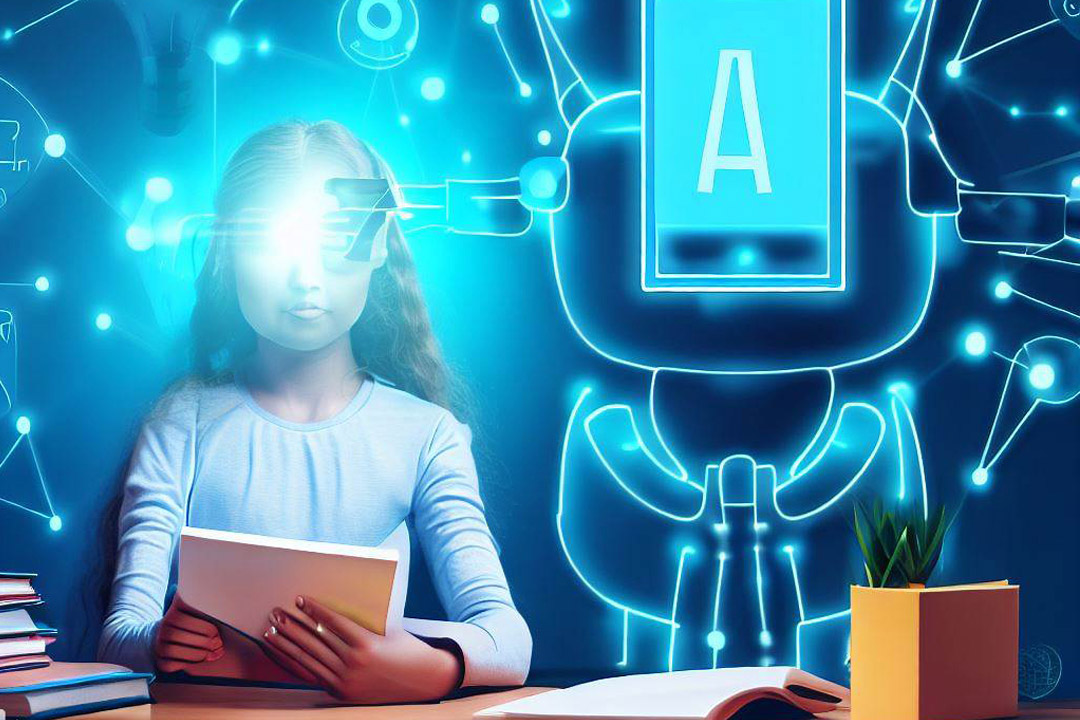
Challenges and Opportunities in Teaching Artificial Intelligence
While the benefits of coding and AI education are clear, there are challenges to widespread adoption. Access to resources, teacher training, and curriculum development all play a role in determining how effectively these subjects are taught. Some schools may lack the infrastructure or expertise needed to deliver high-quality digital education.
However, there are also significant opportunities. Partnerships with technology companies, open-source educational tools, and online learning platforms are helping to bridge gaps and democratize access to digital skills. As more educators embrace innovative teaching methods, students gain exposure to the technologies shaping our world.
For a deeper dive into the impact of artificial intelligence on learning environments, the article exploring how AI is transforming education provides valuable insights into current trends and future possibilities.
Preparing for a World Shaped by Intelligent Systems
The integration of artificial intelligence and programming into education is not a passing trend—it’s a fundamental shift in how we prepare for the future. As intelligent systems become more embedded in daily life, the ability to understand and work with these technologies will define career opportunities and societal progress.
By investing in digital literacy and fostering a culture of curiosity and innovation, educators and policymakers can ensure that the next generation is equipped to thrive. Whether pursuing careers in technology or applying these skills in other fields, learners who embrace coding and AI will be well-positioned to lead and adapt in an ever-changing world.
Frequently Asked Questions
What age should students start learning about programming and artificial intelligence?
Many experts recommend introducing basic programming concepts as early as elementary school. Early exposure helps build confidence and curiosity, making it easier for students to grasp more advanced topics later on. Age-appropriate resources and playful activities can make learning both fun and accessible.
How can schools without advanced technology resources teach digital skills?
Even without high-end computers or specialized equipment, schools can teach foundational concepts using unplugged activities, free online platforms, and collaborative projects. Teacher training and community partnerships can also help expand access to quality digital education.
What are the career benefits of learning coding and AI?
Proficiency in programming and artificial intelligence opens doors to a wide range of careers, from software development to data analysis, research, and beyond. These skills are also valuable in non-technical fields, as they foster problem-solving, adaptability, and a deeper understanding of how technology shapes the world.