
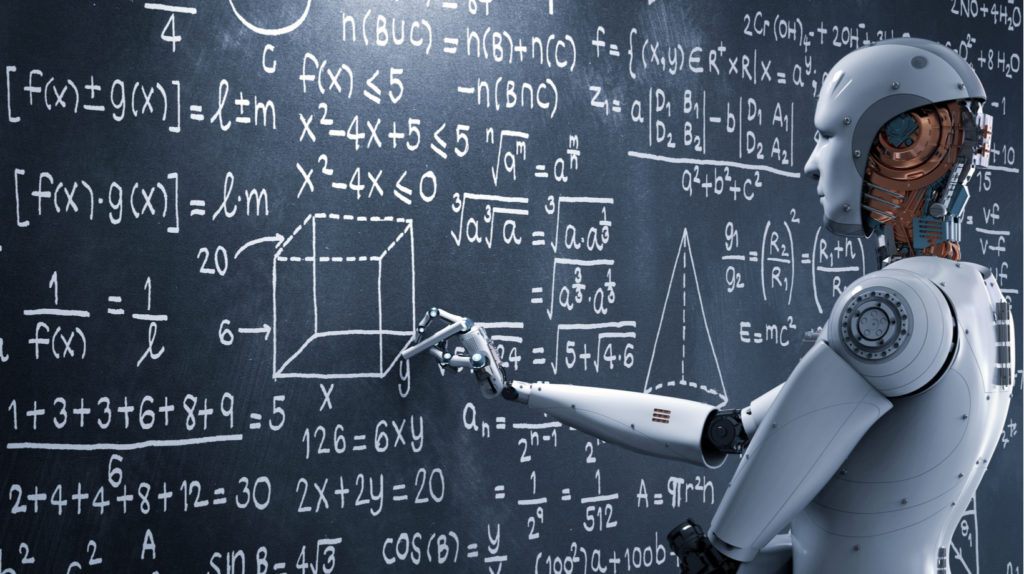
The integration of AI in biology education is transforming how students and educators approach complex scientific concepts. Artificial intelligence tools are making it possible to personalize learning, automate assessments, and simulate biological processes in ways that were unimaginable just a decade ago. As educational institutions seek to keep pace with technological advancements, understanding the impact and practical applications of AI in the life sciences classroom has become increasingly important.
This article explores the evolving role of intelligent systems in teaching biology, highlighting key benefits, challenges, and real-world examples. For those interested in how artificial intelligence is influencing other technical domains, you may also find value in learning about how AI identifies the type of fuel used in a missile launch.
Transforming Biology Classrooms with Artificial Intelligence
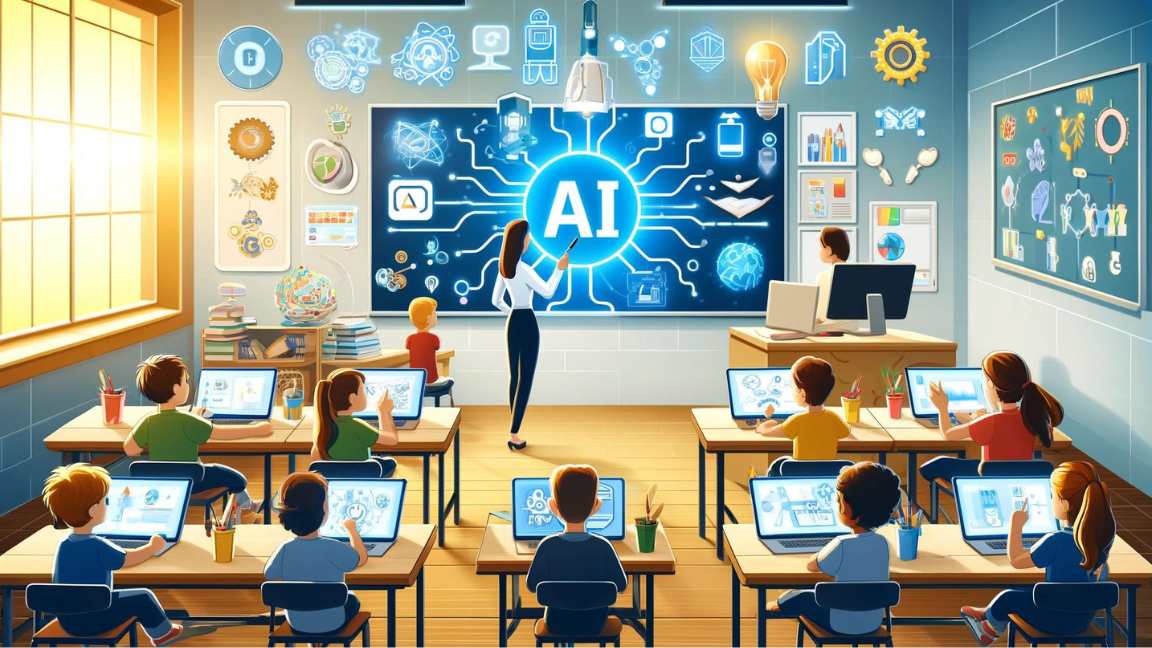
The use of artificial intelligence in biology classrooms is reshaping traditional teaching methods. AI-powered platforms can analyze student performance data, adapt content to individual needs, and provide instant feedback. This level of personalization helps students grasp difficult topics such as genetics, molecular biology, and ecology more effectively.
Teachers are also benefiting from AI-driven tools that automate grading and administrative tasks. By reducing the time spent on routine work, educators can focus on developing engaging lesson plans and supporting students who need extra help. In addition, AI can identify patterns in student learning, allowing instructors to intervene early when someone is struggling.
Personalized Learning and Adaptive Assessments
One of the most significant advantages of AI in biology education is the ability to tailor instruction to each learner. Adaptive learning systems use algorithms to assess a student’s strengths and weaknesses, then adjust the curriculum accordingly. For example, if a student excels in cell biology but struggles with evolutionary concepts, the platform can provide targeted exercises and resources to address those gaps.
These adaptive systems also help educators track progress over time. By analyzing data from quizzes, assignments, and interactive simulations, AI can generate detailed reports that highlight areas for improvement. This data-driven approach ensures that students receive the support they need to master challenging material.
Simulating Complex Biological Processes
Understanding intricate biological systems often requires more than textbook explanations. AI-powered simulations and virtual labs allow students to visualize processes such as DNA replication, protein synthesis, or ecological interactions in real time. These interactive tools make abstract concepts tangible, fostering deeper comprehension and retention.
For example, virtual dissections powered by AI can replicate the experience of examining plant or animal anatomy without the need for physical specimens. This not only reduces costs and ethical concerns but also enables repeated practice in a risk-free environment.
Benefits and Challenges of Integrating AI into Biology Education
The adoption of AI-driven solutions in biology teaching brings a range of benefits, but also presents certain challenges. On the positive side, AI can:
- Enhance student engagement through interactive content
- Provide personalized feedback and learning pathways
- Automate administrative and grading tasks for teachers
- Enable access to high-quality resources regardless of location
- Support students with diverse learning styles and needs
However, there are also obstacles to consider:
- High initial costs for implementing advanced AI platforms
- Potential data privacy concerns with student information
- Need for teacher training to effectively use new technologies
- Risk of over-reliance on automation, reducing human interaction
Addressing these challenges requires thoughtful planning and ongoing support for both educators and students.
Real-World Examples and Case Studies
Several educational institutions have already begun to see the impact of AI in science classrooms. For instance, universities are using AI-powered tutoring systems to assist students in mastering complex biological concepts. High schools are adopting virtual labs that allow learners to conduct experiments remotely, making science education more accessible.
In some cases, AI is being used to analyze large datasets from biological research, giving students hands-on experience with real-world scientific methods. These applications not only improve learning outcomes but also prepare students for future careers in biotechnology, medicine, and research.
For a broader perspective on how artificial intelligence is shaping digital learning environments, the UNESCO digital education and artificial intelligence resource provides valuable insights and guidelines.
Preparing Educators for the Future of AI-Enhanced Biology Teaching
As AI becomes more prevalent in biology classrooms, teacher preparation is essential. Professional development programs focused on digital literacy, data analysis, and the ethical use of AI can help educators make the most of these tools. Collaboration between teachers, technologists, and curriculum designers ensures that AI is used to enhance—not replace—the human element in education.
Schools and universities should also establish clear policies regarding data privacy and responsible AI use. By fostering a culture of transparency and continuous learning, institutions can maximize the benefits of AI while minimizing potential risks.
Frequently Asked Questions
How does AI personalize biology learning for students?
AI-driven platforms analyze each student’s performance and learning style to deliver customized content and feedback. This approach helps address individual strengths and weaknesses, ensuring that all students can progress at their own pace.
What are some examples of AI tools used in biology education?
Common tools include adaptive learning platforms, virtual labs, automated grading systems, and intelligent tutoring software. These technologies enable interactive simulations, personalized assessments, and efficient classroom management.
Are there any ethical concerns with using AI in science classrooms?
Yes, ethical considerations include data privacy, algorithmic bias, and the potential reduction of human interaction. It is important for educators and institutions to establish clear guidelines and ensure that AI is used responsibly and transparently.