
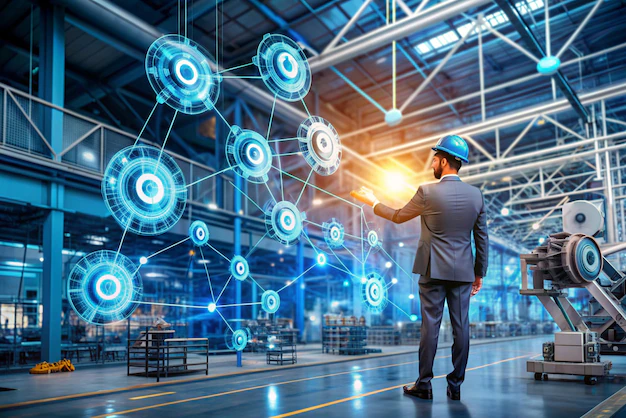
The manufacturing sector is undergoing a major transformation as artificial intelligence becomes more accessible and practical for daily operations. AI powered production dashboards are now at the forefront of this evolution, enabling organizations to monitor, analyze, and optimize their processes with unprecedented speed and accuracy. These intelligent dashboards provide a clear, actionable view of operations by combining real-time data streams with advanced analytics, helping teams make informed decisions and respond quickly to changing conditions.
As industries seek to improve efficiency and maintain competitiveness, the adoption of AI-driven monitoring tools is accelerating. These platforms go beyond traditional reporting by delivering predictive insights, automated alerts, and deep visibility into every stage of production. For those interested in the broader impact of artificial intelligence in technical fields, our article on how AI identifies the type of fuel used in a missile launch explores another fascinating application.
How Intelligent Dashboards Transform Manufacturing Operations
Traditional production monitoring systems often struggle to keep up with the complexity and speed of modern manufacturing. Manual data collection, delayed reporting, and siloed information can lead to missed opportunities and slow responses to issues. AI powered production dashboards address these challenges by integrating data from sensors, machines, and enterprise systems in real time. This unified approach provides a single source of truth for plant managers, engineers, and executives.
Key benefits include:
- Real-time visibility: Instantly track key performance indicators (KPIs), such as throughput, downtime, and quality metrics, as they happen on the shop floor.
- Predictive analytics: Use machine learning models to forecast equipment failures, maintenance needs, and demand fluctuations, reducing unplanned downtime.
- Automated alerts: Receive immediate notifications when anomalies or inefficiencies are detected, allowing for rapid intervention.
- Customizable views: Tailor dashboards to specific roles or departments, ensuring that each team gets the insights most relevant to their responsibilities.
By leveraging these capabilities, manufacturers can shift from reactive problem-solving to proactive optimization, ultimately improving productivity and reducing costs.
Key Features of Modern AI-Driven Production Dashboards
Not all dashboard solutions are created equal. The most effective platforms harness artificial intelligence to deliver features that go beyond basic data visualization. Here are some of the most impactful capabilities found in today’s leading solutions:
- Automated Data Integration: Seamlessly connect to a wide range of data sources, including IoT sensors, MES/ERP systems, and legacy equipment, without manual intervention.
- Advanced Analytics Engine: Apply machine learning algorithms to identify trends, correlations, and root causes that may not be visible through standard reports.
- Interactive Visualizations: Enable users to drill down into specific lines, shifts, or machines, and filter data dynamically for deeper analysis.
- Predictive Maintenance: Anticipate failures and schedule repairs before breakdowns occur, minimizing costly disruptions.
- Role-Based Access: Ensure that sensitive information is only visible to authorized users, while providing relevant insights to operators, supervisors, and executives.
Real-Time Insights and Their Impact on Decision-Making
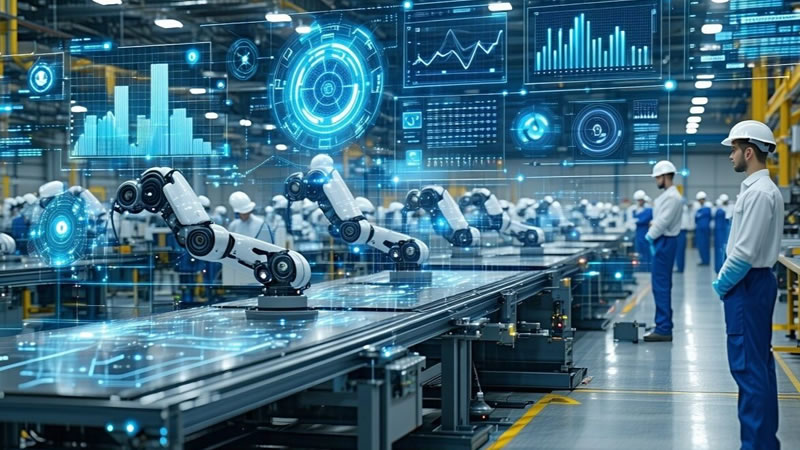
The true value of AI-enhanced dashboards lies in their ability to deliver actionable insights as events unfold. Instead of waiting for end-of-shift reports or manual data entry, teams can access up-to-the-minute information from any device. This immediacy empowers organizations to:
- Respond rapidly to issues: Whether it’s a machine fault, a supply chain delay, or a quality deviation, instant alerts allow for quick corrective action.
- Optimize resource allocation: Adjust staffing, materials, and schedules in real time to match current conditions and avoid bottlenecks.
- Enhance collaboration: Share live dashboards across departments, enabling cross-functional teams to work together on problem-solving and continuous improvement.
- Drive continuous improvement: Use historical data and trend analysis to identify recurring issues and implement long-term solutions.
For a deeper look at how artificial intelligence can detect subtle operational anomalies, see our discussion on how AI detects subtle anomalies in sensor telemetry.
Implementing AI-Driven Dashboards: Best Practices
Successfully deploying an AI-based dashboard solution requires careful planning and a clear understanding of organizational goals. Here are some best practices to consider:
- Define clear objectives: Identify the key metrics and outcomes you want to improve, such as reducing downtime, increasing yield, or improving quality.
- Start with pilot projects: Test the dashboard on a single line or process to validate its effectiveness and gather feedback from users.
- Ensure data quality: Reliable insights depend on accurate, timely data. Invest in robust data collection and integration tools.
- Train your team: Provide hands-on training and support to ensure that all users can leverage the dashboard’s full capabilities.
- Iterate and scale: Use lessons learned from initial deployments to refine the solution and expand its use across the organization.
Organizations that follow these steps are more likely to realize the full benefits of AI-powered monitoring and analytics.
Industry Trends and the Future of AI in Production Monitoring
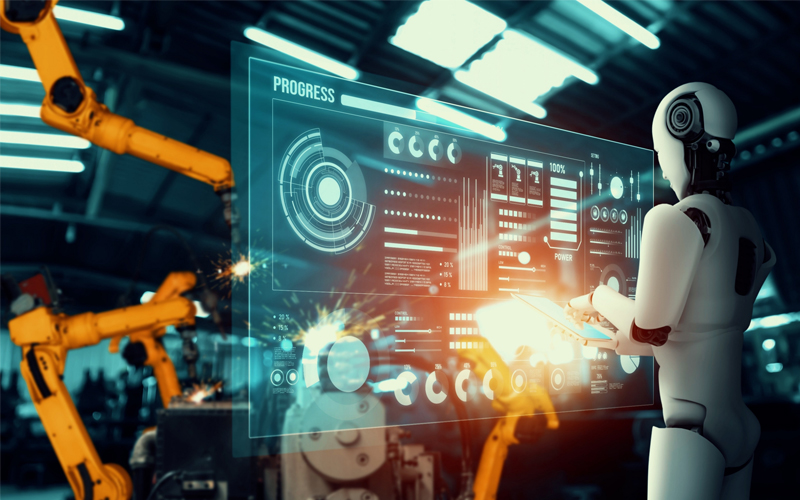
The adoption of intelligent dashboards is part of a larger trend toward digital transformation in manufacturing. According to recent research on the state of AI in industry, companies that embrace advanced analytics and automation are seeing measurable gains in efficiency, quality, and profitability.
As technology evolves, we can expect even more sophisticated features, such as:
- Deeper integration with supply chain systems for end-to-end visibility.
- Self-optimizing production lines that adjust parameters automatically based on real-time data.
- Enhanced anomaly detection using advanced AI models, similar to those discussed in our article on the impact of AI on interceptor hit-to-kill probability.
- Greater accessibility through mobile apps and cloud-based platforms, making insights available anywhere.
The future of production monitoring is intelligent, connected, and highly responsive—driven by the ongoing evolution of artificial intelligence.
Frequently Asked Questions
What types of data can be integrated into an AI-enhanced production dashboard?
These dashboards can aggregate data from a wide range of sources, including IoT sensors, programmable logic controllers (PLCs), manufacturing execution systems (MES), enterprise resource planning (ERP) platforms, and even legacy equipment. This comprehensive integration enables a holistic view of operations.
How do AI-powered dashboards improve operational efficiency?
By providing real-time monitoring, predictive analytics, and automated alerts, these platforms help teams identify bottlenecks, prevent downtime, and optimize resource allocation. The result is faster problem resolution and more consistent production performance.
Are AI-driven dashboards suitable for small and medium-sized manufacturers?
Yes, many solutions are scalable and can be tailored to the needs and budgets of smaller organizations. Cloud-based options often reduce the need for significant upfront investment, making advanced analytics accessible to a wider range of manufacturers.
Can these dashboards help with quality control?
Absolutely. By continuously monitoring quality metrics and using AI to detect deviations or trends, these tools enable proactive quality management and faster response to issues before they escalate.
What are the first steps to implementing an AI-powered dashboard?
Start by identifying your key objectives and the data sources you want to connect. Pilot the solution in a focused area, ensure data quality, and provide training for your team. Gradually expand as you see results and gain confidence in the platform.