
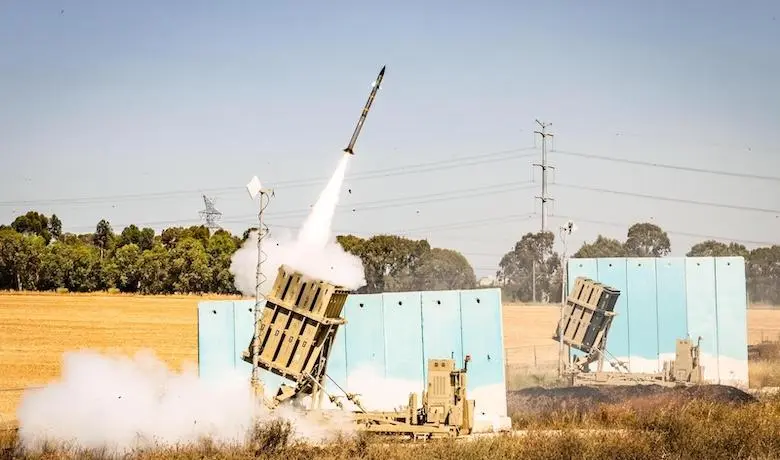
How AI coordinates defense against multiple independently targetable reentry vehicles is a subject of growing importance in modern missile defense. As missile technology advances, particularly with the deployment of MIRVs—warheads that can split and target several locations independently—traditional defense systems face unprecedented challenges. Artificial intelligence is now at the core of efforts to detect, track, and intercept these complex threats in real time.
Understanding how advanced algorithms and machine learning models manage the rapid, high-stakes decision-making required for missile defense is crucial for military planners, policymakers, and technologists. This article explores the technical landscape of AI-driven coordination, the operational hurdles it addresses, and the evolving strategies for countering MIRV attacks.
For those interested in related advancements, see our deep dive on impact of ai on interceptor hit-to-kill probability, which examines how AI improves the accuracy of missile interceptors—a critical component in defending against MIRV threats.
Understanding MIRV Threats and the Role of AI
Multiple independently targetable reentry vehicles (MIRVs) represent a major leap in offensive missile technology. A single missile equipped with MIRVs can release several warheads, each programmed to strike a different target. This multiplies the complexity for defense systems, as they must identify, track, and neutralize numerous high-speed objects simultaneously.
Traditional missile defense relied heavily on human operators and pre-programmed responses. However, the speed and unpredictability of MIRV attacks demand a more dynamic approach. AI-powered coordination enables defense networks to process sensor data, predict trajectories, and assign interceptors to targets in fractions of a second—far beyond human capabilities.
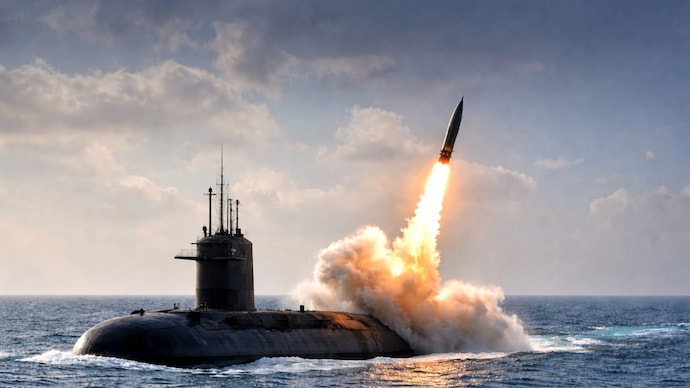
How AI Coordinates Defense Against Multiple Independently Targetable Reentry Vehicles
How AI coordinates defense against multiple independently targetable reentry vehicles involves several interlocking technologies and processes:
- Real-Time Data Fusion: AI systems aggregate data from radar, satellites, and ground sensors to create a unified, real-time picture of the battlespace. This fusion enables the system to distinguish between decoys, boosters, and actual warheads.
- Threat Prioritization: Using advanced algorithms, AI evaluates which incoming warheads pose the greatest risk based on trajectory, speed, and potential targets. This allows for rapid prioritization and allocation of defensive resources.
- Automated Interceptor Assignment: AI matches available interceptors to specific threats, optimizing for coverage, probability of kill, and resource conservation. This is especially vital when facing a saturation attack from MIRVs.
- Continuous Learning: Machine learning models adapt to new tactics, countermeasures, and sensor anomalies, improving performance over time and reducing vulnerability to novel attack strategies.
These capabilities enable a defense network to respond to MIRV attacks with unprecedented speed and precision, minimizing the risk of successful penetration.
Sensor Integration and Data Processing in Missile Defense
A key element in countering MIRVs is the integration of diverse sensor networks. AI must process massive volumes of data from radars, satellites, and infrared sensors, filtering out noise and identifying genuine threats. This process, known as sensor fusion, is essential for accurate tracking and discrimination.
AI-driven systems can also detect subtle anomalies in sensor telemetry, which is critical for distinguishing between real warheads and decoys. For a closer look at this aspect, see our article on how ai detects subtle anomalies in sensor telemetry.
By leveraging deep learning and pattern recognition, AI improves the reliability of threat identification, ensuring that defensive measures are not wasted on false targets.
AI-Driven Decision Making and Interceptor Management
When a MIRV-equipped missile is detected, the window for response is extremely narrow. AI systems must rapidly analyze the situation and direct interceptors—such as kinetic kill vehicles or directed energy weapons—to the optimal intercept points.
This process involves:
- Trajectory Prediction: AI calculates the likely paths of each reentry vehicle, factoring in atmospheric conditions, decoy deployment, and evasive maneuvers.
- Resource Allocation: The system dynamically assigns interceptors to maximize coverage and minimize overlap, ensuring that no warhead is left unaddressed.
- Adaptive Response: As the engagement unfolds, AI updates its models in real time, reallocating resources if new threats emerge or interceptors are lost.
This level of coordination is only possible through automation and machine intelligence, as human operators cannot match the speed or complexity required.
Challenges and Limitations of AI in MIRV Defense
Despite its advantages, AI-powered missile defense faces several challenges:
- Sensor Limitations: Even the best AI is constrained by the quality and coverage of available sensors. Gaps or delays in data can lead to missed threats.
- Adversarial Tactics: Opponents may deploy sophisticated countermeasures, such as decoys or electronic warfare, to confuse AI systems.
- Ethical and Legal Considerations: Automated decision-making in lethal contexts raises questions about accountability and control.
- System Vulnerabilities: AI systems themselves can be targeted by cyberattacks or spoofing, potentially degrading performance.
Ongoing research and development aim to address these issues, with a focus on building more resilient, transparent, and adaptable AI architectures.
Recent Advances and Future Directions
The field of AI-enabled missile defense is evolving rapidly. Recent breakthroughs include the use of reinforcement learning for real-time decision making, improved sensor fusion algorithms, and the integration of AI with directed energy weapons. For example, new AI tools for air defense are being developed to counter not only MIRVs but also advanced missile swarms and drone threats.
Looking ahead, experts anticipate greater autonomy in defensive systems, enhanced collaboration between human operators and AI, and more robust safeguards against adversarial manipulation. As the threat landscape changes, so too will the strategies and technologies for defending against complex missile attacks.
For a broader perspective on how AI is shaping missile defense, you may also be interested in our articles on role of ai in directing directed energy weapons and what is the role of ai in preventing accidental launches.
FAQ: AI and MIRV Defense
How does AI distinguish between real warheads and decoys in a MIRV attack?
AI systems use sensor fusion and pattern recognition to analyze data from multiple sources, such as radar and infrared sensors. By comparing observed signatures to known profiles, AI can identify subtle differences between genuine warheads and decoys, improving the accuracy of threat identification.
What are the main benefits of using AI in missile defense against MIRVs?
The primary advantages include rapid data processing, real-time decision making, optimized interceptor allocation, and adaptive learning. These capabilities enable defense systems to respond more effectively to complex, multi-target attacks, increasing the likelihood of successful interception.
Are there risks associated with relying on AI for missile defense?
Yes, there are several risks, including potential vulnerabilities to cyberattacks, the possibility of adversarial deception, and ethical concerns about automated lethal decision-making. Ongoing research focuses on mitigating these risks through improved system design and human oversight.