
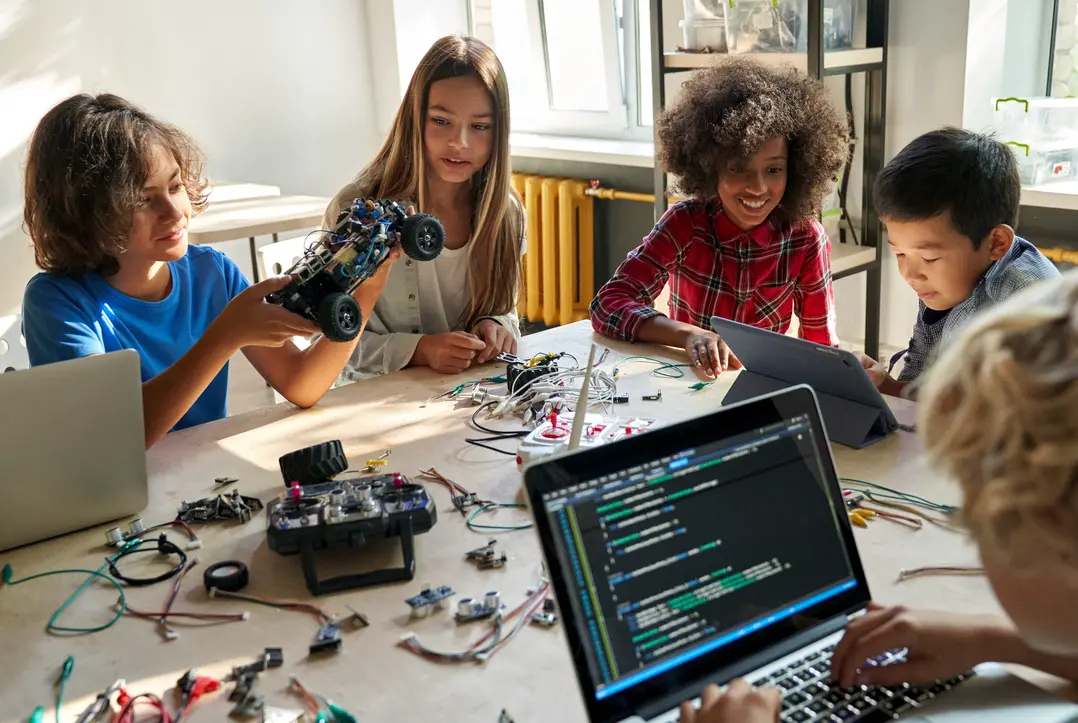
The integration of AI as a teaching assistant is rapidly transforming classrooms and higher education environments. As artificial intelligence tools become more sophisticated, educators and students are discovering new ways to enhance learning, streamline administrative tasks, and personalize educational experiences. This article explores how these digital assistants are reshaping teaching, the benefits and challenges they present, and what the future may hold for AI-supported education.
While the potential of AI in education is vast, it is important to address both the opportunities and the misconceptions that surround this technology. For those interested in common misunderstandings, our detailed guide on AI misconceptions in education offers further insights.
Understanding the Role of AI in Modern Classrooms
Artificial intelligence is being adopted in education to support teachers, automate repetitive tasks, and provide students with tailored learning experiences. These digital tools can range from simple chatbots that answer student questions to advanced systems that analyze learning patterns and suggest personalized study plans.
The use of AI as a teaching assistant is not about replacing educators but rather enhancing their ability to focus on meaningful interactions with students. By handling administrative duties and offering instant feedback, AI allows teachers to dedicate more time to instruction and mentorship.
Key Benefits of AI-Powered Teaching Support
The adoption of artificial intelligence in educational settings brings a variety of advantages for both teachers and learners. Here are some of the most significant benefits:
- Personalized Learning: AI systems can adapt content and pace to individual student needs, helping learners progress at their own speed and style.
- Immediate Feedback: Automated grading and instant responses to student queries enable faster learning cycles and reduce waiting times for support.
- Administrative Efficiency: Tasks such as attendance tracking, assignment reminders, and scheduling can be managed by AI, freeing up educators for more impactful work.
- Data-Driven Insights: By analyzing student performance data, AI tools can identify learning gaps, suggest interventions, and help teachers refine their instructional strategies.
- Accessibility: AI-powered assistants can provide support for students with disabilities, such as real-time captioning or text-to-speech features.
Common Applications of AI in Educational Settings
The use of AI as a teaching assistant spans a wide range of tasks and environments, from K-12 classrooms to university lecture halls. Some of the most common applications include:
- Virtual Tutors: AI chatbots and virtual agents can answer questions, explain concepts, and guide students through problem-solving exercises.
- Automated Assessment: Grading essays, quizzes, and homework assignments can be streamlined with AI, ensuring consistency and saving time.
- Learning Analytics: Intelligent systems track student engagement and performance, helping educators identify students who may need extra support.
- Content Recommendation: AI can suggest additional resources, practice exercises, or enrichment materials based on individual progress.
- Classroom Management: Some platforms use AI to monitor participation, flag disruptive behavior, or help with group formation for collaborative projects. For more on this, see our article on AI for classroom management.

Challenges and Considerations for AI Integration
While the advantages are substantial, integrating artificial intelligence into teaching also presents unique challenges. Some of the key considerations include:
- Data Privacy: Protecting student information is critical. Schools and universities must ensure that AI systems comply with privacy regulations and ethical standards.
- Bias and Fairness: AI algorithms can unintentionally reinforce existing biases if not carefully designed and monitored. Ongoing evaluation and transparency are essential.
- Teacher Training: Educators need support and professional development to effectively use AI tools and interpret the data they provide.
- Resource Disparities: Not all institutions have equal access to advanced technology, which can widen educational gaps if not addressed.
- Human Connection: While AI can handle many tasks, the importance of personal relationships and mentorship in education remains irreplaceable.
For a broader perspective on how artificial intelligence is shaping university STEM programs, you may find our resource on AI in university STEM programs helpful.
How AI Enhances Learning Outcomes
The impact of AI as a teaching assistant on student achievement is an area of active research. Early studies suggest that when used thoughtfully, AI can help improve engagement, retention, and mastery of complex subjects. By providing adaptive feedback and identifying areas where students struggle, these tools empower both learners and instructors to address challenges more effectively.
In STEM fields, where problem-solving and conceptual understanding are critical, AI-driven platforms can offer targeted practice and simulations. For more details on this topic, see our article on AI and learning outcomes in STEM.
Future Directions for AI in Education
As technology continues to evolve, the role of artificial intelligence in education is expected to expand. Innovations such as natural language processing, real-time translation, and intelligent content creation will further enhance the capabilities of digital teaching assistants.
Collaboration between educators, technologists, and policymakers will be essential to ensure that these tools are used ethically and equitably. Ongoing research and pilot programs will help refine best practices and maximize the positive impact of AI in learning environments.
For a comprehensive overview of how artificial intelligence is being used in educational contexts, the Top Hat glossary on AI in education provides additional background and definitions.
Frequently Asked Questions
What tasks can AI teaching assistants perform?
AI-powered assistants can handle a range of duties, including answering student questions, grading assignments, tracking attendance, providing personalized study recommendations, and supporting classroom management. Their capabilities depend on the specific platform and how it is implemented.
Are AI teaching assistants replacing human teachers?
No, the goal of using artificial intelligence in education is to support and enhance the work of human educators, not to replace them. AI handles routine or repetitive tasks, allowing teachers to focus on instruction, mentorship, and building relationships with students.
How do schools address privacy concerns with AI?
Educational institutions must ensure that any AI tools they use comply with data privacy laws and ethical guidelines. This includes securing student data, being transparent about how information is used, and regularly reviewing systems for potential risks.
Can AI teaching assistants help students with special needs?
Yes, many AI tools are designed to improve accessibility, offering features such as real-time captioning, text-to-speech, and personalized learning paths that can support students with diverse needs.