
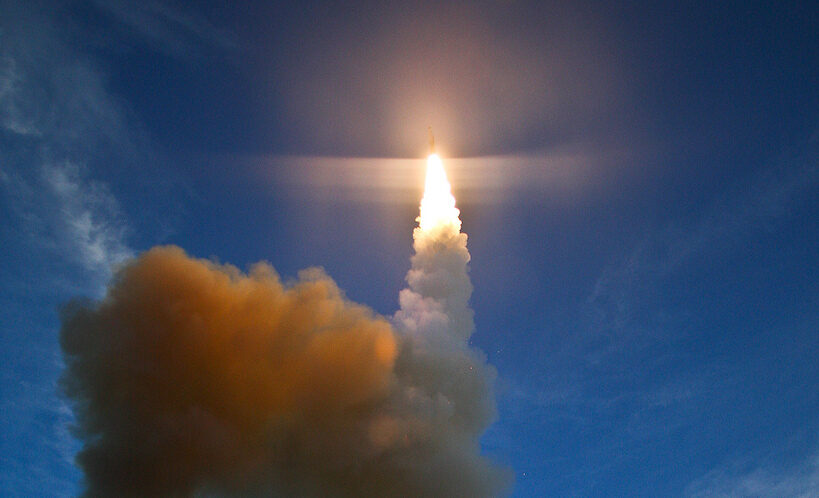
As military technology evolves, so do the frameworks that define how modern forces detect, track, and neutralize threats. Two concepts—the kill chain and the kill web—have become central to understanding the integration of artificial intelligence in defense operations. For those seeking clarity on what is the kill web vs the kill chain in AI, this article breaks down their differences, explains how AI is transforming each approach, and explores the implications for future warfare.
The shift from linear, sequential targeting models to dynamic, interconnected systems is reshaping how militaries respond to emerging threats. AI-driven automation, data fusion, and real-time decision-making are at the heart of this transformation. To understand these changes, it’s essential to grasp how both the traditional and modern frameworks operate, and how artificial intelligence amplifies their effectiveness.
For a deeper dive into how artificial intelligence is already enhancing missile detection, see our guide on how AI identifies missile launch signatures from space.
Understanding the Traditional Kill Chain Model in AI-Driven Warfare
The kill chain is a step-by-step process that militaries have used for decades to identify and eliminate threats. Traditionally, this model consists of a sequence: find, fix, track, target, engage, and assess. Each stage is handled in order, often by different teams and systems. While effective in the past, this approach can be slow and vulnerable to disruption, especially in environments where adversaries use advanced tactics to evade detection or jam communications.
With the integration of artificial intelligence, the kill chain is becoming more efficient. AI algorithms can automate target recognition, prioritize threats, and accelerate decision-making. For example, machine learning models can analyze sensor data to quickly distinguish between decoys and genuine threats, reducing the time from detection to engagement. However, the linear nature of the kill chain still presents limitations in highly dynamic or contested environments.

From Linear Chains to Dynamic Webs: The Evolution of Targeting with AI
The concept of the kill web represents a significant departure from the traditional chain. Instead of a sequential process, the kill web is a networked system where sensors, shooters, and decision-makers are interconnected. This mesh-like structure allows for multiple paths to identify, track, and neutralize threats, making the system more resilient and adaptable.
In a kill web, AI plays a crucial role by managing the vast flow of data between nodes, automating threat prioritization, and dynamically assigning resources. For instance, if one sensor is compromised or jammed, AI can reroute information through alternative nodes, ensuring continuity. This flexibility is vital in modern combat, where adversaries employ electronic warfare and cyber tactics to disrupt operations.
The kill web’s distributed nature also enables faster response times. AI-driven analytics can simultaneously process inputs from satellites, drones, ground sensors, and other assets, fusing the information to present a comprehensive picture. This allows commanders to make informed decisions in real time, even as the situation evolves rapidly.
Key Differences: What Is the Kill Web vs the Kill Chain in AI?
To clarify what is the kill web vs the kill chain in AI, consider the following distinctions:
- Structure: The kill chain is linear and sequential; the kill web is networked and non-linear.
- Resilience: The chain is vulnerable to single points of failure, while the web offers redundancy through multiple interconnected nodes.
- Speed and Adaptability: AI in the kill web enables rapid, parallel processing of information, whereas the chain relies on stepwise progression.
- Data Fusion: The web leverages AI to integrate diverse data sources, providing a holistic view and enabling smarter targeting decisions.
- Automation: Both models benefit from AI, but the kill web’s distributed architecture allows for greater automation and autonomy across the network.
These differences are not just theoretical. In practice, the kill web’s approach is already influencing the design of next-generation air and missile defense systems, where AI coordinates sensors and interceptors across domains.
AI’s Impact on Modern Defense Networks
Artificial intelligence is the driving force behind the shift from chains to webs in military operations. By automating data analysis, AI reduces the cognitive load on human operators and enables faster, more accurate threat assessments. This is especially important in missile defense, where seconds can mean the difference between interception and impact.
AI also enhances resilience. If a node in the network is attacked or disabled, the system can reroute data and maintain operational effectiveness. This adaptability is crucial in environments where adversaries use sophisticated jamming and deception techniques. For more on how AI overcomes environmental challenges, see our article on how AI handles atmospheric interference in tracking.
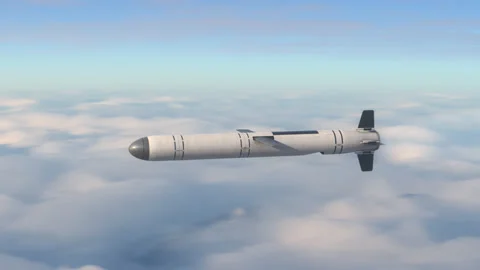
The integration of AI also supports multi-domain operations, connecting assets across land, sea, air, space, and cyberspace. This interconnectedness is a hallmark of the kill web, enabling seamless coordination and rapid response to emerging threats.
Real-World Applications and Future Trends
Defense organizations worldwide are investing in AI-enabled kill webs to counter increasingly complex threats. For example, integrated air and missile defense systems now use AI to coordinate interceptors, track hypersonic weapons, and manage sensor networks in real time. These systems can adapt to changing conditions, prioritize targets, and even predict adversary tactics based on historical data.
As AI technology matures, expect to see even greater autonomy in defense networks. Swarms of drones, autonomous interceptors, and space-based sensors will work together, guided by AI, to create a resilient and adaptive web of defense. For a comprehensive overview of these advancements, refer to our guide to AI-driven space-based missile warning.
The implications extend beyond technology. The adoption of AI-driven webs requires new doctrines, training, and ethical frameworks to ensure responsible use. As militaries adapt, the balance between human oversight and machine autonomy will remain a critical consideration.
AI and Air Defense: Further Reading
For those interested in a broader perspective on how artificial intelligence is transforming air defense systems, see this in-depth analysis of AI’s role in air defense. The article explores current capabilities, challenges, and future directions for AI-powered defense networks.
Frequently Asked Questions
How does artificial intelligence enhance the kill web compared to the kill chain?
AI improves the kill web by enabling real-time data fusion, automating threat prioritization, and allowing for dynamic rerouting of information. Unlike the sequential kill chain, the web’s networked structure lets AI coordinate multiple assets simultaneously, increasing speed and resilience.
Are there risks to relying on AI in military targeting frameworks?
Yes, while AI offers significant advantages, it also introduces risks such as algorithmic bias, vulnerability to cyberattacks, and the potential for unintended escalation if autonomous systems misinterpret data. Human oversight and robust safeguards are essential to mitigate these risks.
What are some real-world examples of AI-enabled kill webs?
Modern integrated air and missile defense systems, such as those used by the U.S. and allied forces, increasingly rely on AI to coordinate sensors, interceptors, and command centers. These systems can adapt to jamming, prioritize threats, and manage multi-domain operations in real time.
How do AI-driven kill webs handle atmospheric or environmental interference?
AI algorithms can compensate for atmospheric interference by analyzing data from multiple sensors and applying correction models. This ensures accurate tracking and targeting even in challenging conditions. For more details, see our article on how AI handles atmospheric interference in tracking.