
Artificial intelligence is rapidly transforming classrooms, curriculum design, and student assessment. Yet, as AI tools become more common in schools and universities, a number of AI misconceptions in education persist. These misunderstandings can shape policy, influence teaching strategies, and affect how students and educators interact with technology. By clarifying what AI can and cannot do, educators and decision-makers can make more informed choices about integrating these tools into learning environments.
In this article, we’ll examine some of the most common myths about artificial intelligence in academic settings, discuss their origins, and provide evidence-based insights. For those interested in how AI is impacting specific fields, such as STEM, you may also find value in exploring AI and learning outcomes in STEM.
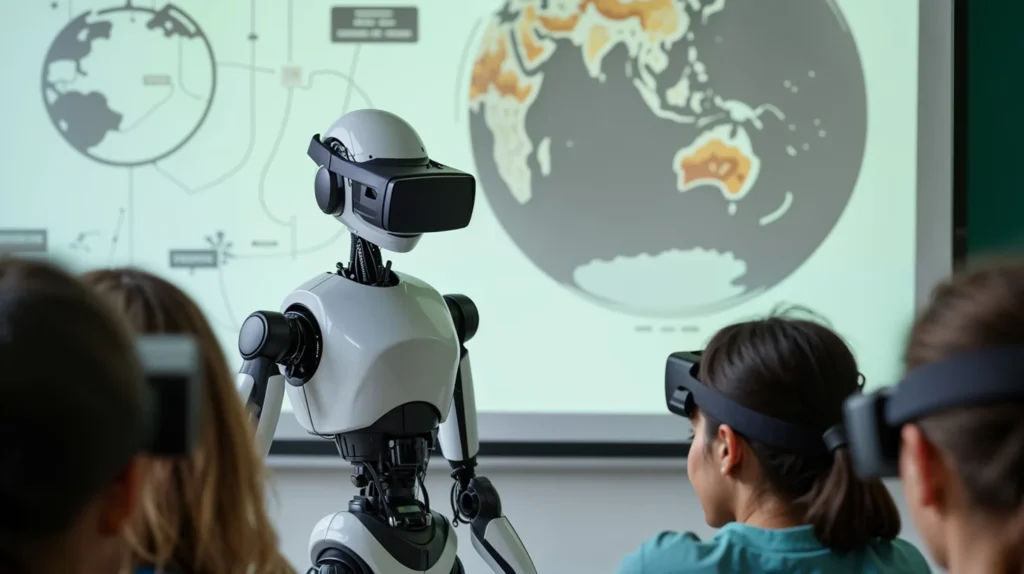
Common Myths About Artificial Intelligence in Schools
Despite the growing presence of AI in classrooms, several myths continue to circulate. These misunderstandings often stem from media portrayals, lack of direct experience, or confusion about how AI systems actually work.
- AI will replace teachers: One of the most widespread beliefs is that AI will make human educators obsolete. In reality, AI is designed to assist, not replace, teachers by automating routine tasks and providing personalized feedback.
- AI understands content like a human: Many assume that AI systems “understand” material in the same way people do. However, most educational AI tools operate by recognizing patterns in data, not by truly comprehending subject matter.
- AI is always objective and unbiased: There is a misconception that algorithms are neutral. In fact, AI can reflect or even amplify biases present in the data it was trained on, potentially leading to unfair outcomes.
- AI can instantly solve educational challenges: Some expect AI to quickly fix issues like achievement gaps or student disengagement. While AI offers new possibilities, its effectiveness depends on thoughtful implementation and ongoing evaluation.
Origins of AI Misunderstandings in Academic Settings
The roots of AI misconceptions in education are varied. Popular culture often depicts AI as either a threat or a miracle solution, which can distort public perception. Additionally, the technical complexity of AI systems makes it challenging for non-experts to distinguish between hype and reality.
Teachers and administrators may also have limited exposure to AI tools, leading to uncertainty about their capabilities and limitations. Without clear guidance or professional development, these uncertainties can turn into persistent myths.
Research, such as the findings published in this peer-reviewed study on AI in education, highlights the importance of accurate information and ongoing training for educators. Understanding the true potential and risks of AI can help schools make better decisions about technology adoption.
How False Beliefs Impact Technology Adoption in Schools
Misconceptions about artificial intelligence can have real consequences for educational institutions. When decision-makers overestimate what AI can do, they may invest in tools that do not meet their needs or fail to address important challenges. Conversely, fear and skepticism can prevent schools from exploring valuable innovations.
For example, if teachers believe that AI will replace them, they may resist new technologies or avoid engaging with professional development opportunities. On the other hand, assuming that AI is infallible can lead to overreliance on automated grading or assessment tools, potentially overlooking important nuances in student work.
Addressing these misunderstandings is essential for creating a balanced approach to technology in education. Schools that provide accurate information and support for educators are more likely to benefit from AI’s strengths while avoiding its pitfalls.
Addressing AI Myths for Better Learning Outcomes
To move beyond AI misconceptions in education, schools and universities can take several practical steps:
- Professional development: Offer training that demystifies AI, explains its real-world applications, and addresses common concerns.
- Transparent communication: Share clear information about how AI tools are selected, implemented, and evaluated within the institution.
- Involve educators in decision-making: Teachers and staff should have a voice in choosing and shaping the use of AI in their classrooms.
- Monitor and review: Regularly assess the impact of AI systems on teaching and learning, and adjust practices as needed.
These strategies can help create a culture of informed experimentation, where technology is used thoughtfully to support student success.

Examples of AI in Modern Classrooms
Despite lingering doubts, AI is already making a positive impact in many educational settings. Some current applications include:
- Personalized learning platforms: AI-driven systems can adapt content and pacing to individual student needs, helping to close achievement gaps.
- Automated assessment tools: These systems can grade assignments, provide instant feedback, and free up teachers for more meaningful interactions with students.
- Classroom management solutions: AI can help track attendance, monitor engagement, and identify students who may need additional support. For more on this, see AI for classroom management.
- Curriculum design assistance: AI can analyze large datasets to suggest improvements to lesson plans and instructional materials.
When used responsibly, these technologies can enhance learning experiences and support educators in their work.
Overcoming Barriers to Effective AI Integration
Successfully integrating AI into education requires more than just adopting new tools. It involves addressing both technical and cultural challenges, including:
- Ensuring data privacy: Protecting student information is critical when using AI-powered platforms.
- Bridging the digital divide: Not all schools have equal access to technology, which can widen existing inequalities.
- Building trust: Transparent policies and open dialogue can help alleviate concerns about AI’s role in education.
By focusing on these areas, schools can create environments where technology supports, rather than disrupts, the learning process.
Frequently Asked Questions
Does AI threaten teaching jobs in schools?
No, the primary purpose of AI in education is to assist teachers, not replace them. AI can automate repetitive tasks and provide data-driven insights, allowing educators to focus on instruction and student engagement.
Can AI tools be biased?
Yes, AI systems can reflect or even amplify biases present in their training data. It’s important for schools to regularly review and monitor AI tools to ensure fair and equitable outcomes for all students.
How can schools address misunderstandings about AI?
Providing professional development, involving educators in technology decisions, and communicating transparently about AI’s capabilities and limitations are effective ways to dispel myths and promote informed adoption.