

Artificial intelligence is rapidly transforming the landscape of higher education, especially within science, technology, engineering, and mathematics disciplines. As universities adapt to evolving technologies, AI in university STEM programs is becoming a crucial driver of innovation, research, and student engagement. From personalized learning to advanced research capabilities, AI is shaping the future of STEM education in profound ways.
For those interested in how artificial intelligence supports diverse learning environments, our guide on AI for inclusive STEM learning explores how these tools can foster accessibility and equity in technical fields.
The Growing Role of AI in STEM Curricula
As demand for technical skills increases, universities are integrating artificial intelligence into their STEM offerings. This shift is not just about teaching students to use AI tools, but also about embedding AI concepts across mathematics, engineering, computer science, and natural sciences. By doing so, institutions prepare graduates for a workforce where AI literacy is becoming as fundamental as coding or data analysis.
Many programs now include courses on machine learning, neural networks, and data-driven problem solving. These courses often combine theoretical foundations with hands-on projects, allowing students to apply AI algorithms to real-world challenges. This approach ensures that graduates are not only familiar with AI concepts, but also capable of leveraging them in research and industry settings.
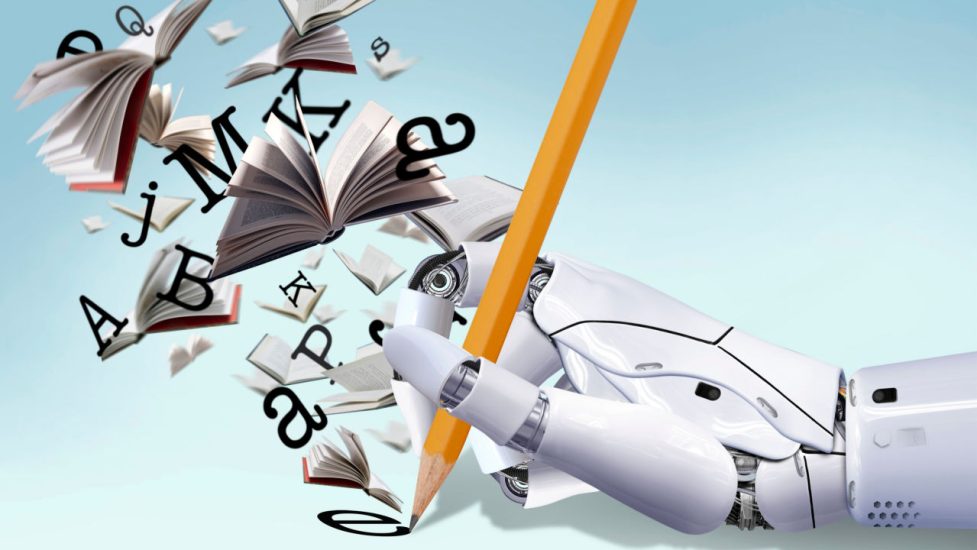
How Artificial Intelligence Enhances STEM Learning
The integration of AI in university STEM programs brings several benefits to both students and educators. Here are some of the key ways AI is enhancing the learning experience:
- Personalized Learning Paths: AI-powered platforms can analyze student performance and adapt content delivery to suit individual learning styles and paces. This helps students master complex STEM concepts more effectively.
- Automated Assessment: Intelligent grading systems provide instant feedback, allowing students to identify areas for improvement and instructors to focus on higher-level teaching tasks.
- Research Acceleration: AI tools assist in data analysis, simulation, and modeling, enabling students and faculty to conduct advanced research more efficiently.
- Collaboration and Communication: AI-driven platforms facilitate group projects, peer review, and communication across disciplines, fostering a collaborative STEM environment.
For a closer look at how AI supports teamwork and group-based learning, see our article on AI supported collaborative learning.
Challenges and Considerations in Adopting AI for STEM
While the advantages of integrating artificial intelligence into STEM education are significant, there are also important challenges to address. Universities must consider issues such as data privacy, algorithmic bias, and the need for faculty training. Ensuring that AI tools are accessible and equitable is essential to avoid widening existing gaps in STEM participation.
Additionally, there is a need for ongoing curriculum updates to keep pace with the rapid evolution of AI technologies. Faculty development programs and interdisciplinary collaboration are critical for maintaining high-quality instruction and research opportunities.

Real-World Applications and Research Opportunities
The practical applications of AI in STEM fields are vast. University students and researchers are using AI to analyze large datasets in biology, simulate engineering systems, optimize chemical processes, and even design new materials. These projects often involve interdisciplinary teams, reflecting the collaborative nature of modern STEM research.
For example, in engineering programs, AI-driven simulations help students understand complex systems and test their designs virtually before building physical prototypes. In life sciences, machine learning models assist in identifying patterns in genomic data, accelerating discoveries in medicine and biotechnology.
If you’re interested in how remote and blended learning environments are leveraging AI, our resources on AI in blended STEM learning and AI in remote STEM education provide further insights.
Preparing Students for the AI-Driven Workforce
As artificial intelligence becomes integral to STEM careers, universities are focusing on equipping students with both technical and ethical competencies. This includes not only teaching AI programming and data analysis, but also fostering critical thinking about the societal impacts of automation and intelligent systems.
Many institutions partner with industry leaders to offer internships, research collaborations, and real-world problem-solving experiences. These partnerships help bridge the gap between academic learning and the demands of the modern workforce, ensuring that graduates are ready to contribute to AI-driven innovation across sectors.
For a broader perspective on how artificial intelligence is shaping STEM education and empowering future professionals, you can explore the role of AI in empowering the next generation of STEM professionals.
Future Directions for AI Integration in STEM Programs
Looking ahead, the role of AI in university STEM curricula will likely expand even further. Emerging trends include the use of generative AI for creative problem solving, adaptive learning environments that respond in real time to student needs, and the integration of AI ethics into core coursework.
Universities are also exploring how AI can support hands-on and experiential learning. For more on this topic, see our discussion of AI in hands on STEM learning, which highlights how intelligent systems can enhance laboratory and project-based education.
Frequently Asked Questions
How is AI changing the way STEM subjects are taught at universities?
Artificial intelligence enables more personalized and adaptive instruction, automates grading and feedback, and supports advanced research projects. These changes help students engage more deeply with STEM content and develop practical skills for the workforce.
What skills do students gain from studying AI in STEM programs?
Students learn technical skills such as programming, data analysis, and machine learning, as well as critical thinking about the ethical and societal impacts of AI. They also gain experience working on interdisciplinary teams and solving real-world problems.
Are there challenges to implementing AI in university STEM curricula?
Yes, challenges include ensuring data privacy, addressing algorithmic bias, keeping curricula up to date, and providing adequate faculty training. Universities must also ensure that AI tools are accessible to all students to promote equity in STEM education.