
The rapid evolution of artificial intelligence is reshaping national security strategies worldwide. As defense systems become more complex and threats more unpredictable, the integration of multimodal AI is emerging as a transformative force. But what is multimodal AI in a defense context, and why is it so crucial for modern military operations? This article explores the essential concepts, real-world applications, and strategic implications of this technology for defense organizations.
In the realm of defense, multimodal AI refers to artificial intelligence systems capable of processing and fusing information from multiple sources or “modalities”—such as radar, satellite imagery, audio, text, and sensor data—to generate a unified, actionable understanding of complex environments. By leveraging diverse data streams, these systems can make faster, more accurate decisions, enhance situational awareness, and support mission-critical tasks.
To understand how these advanced systems operate in practice, it’s helpful to look at related innovations. For example, how AI manages the transition from detection to engagement in missile defense demonstrates the value of integrating multiple data types for rapid, coordinated responses. This kind of synergy is at the heart of multimodal AI’s promise for defense.
The Fundamentals of Multimodal AI for Defense Operations
At its core, multimodal AI in military settings is about combining information from different sensors and sources to create a comprehensive operational picture. Unlike traditional AI systems that might analyze only one type of data—such as visual feeds or radar returns—multimodal approaches synthesize inputs from a variety of channels. This fusion enables more robust detection, classification, and prediction capabilities.
For instance, a defense platform might combine satellite images, intercepted communications, and radar signals to identify potential threats. By correlating these inputs, the AI system can reduce false positives, detect patterns invisible to single-modality analysis, and provide commanders with richer, more reliable intelligence.

Key Applications of Multimodal AI in Military Environments
The adoption of multimodal AI for defense is accelerating across several mission areas. Here are some of the most impactful use cases:
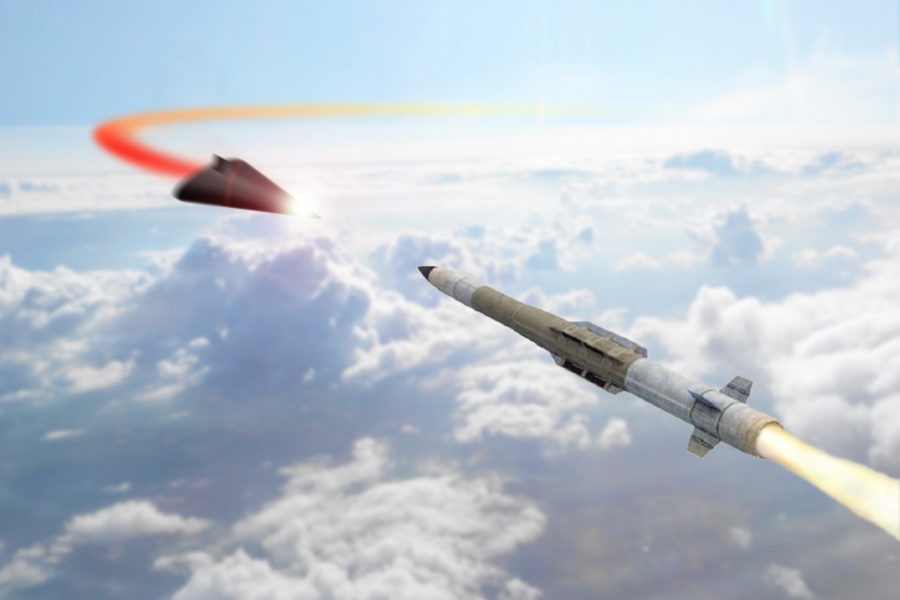
- Missile Defense: By integrating radar, infrared, and optical sensor data, AI can track incoming threats, predict trajectories, and recommend optimal interception points. This is particularly relevant for how AI identifies vulnerable points in incoming missiles, where rapid, multi-source analysis is vital.
- Battlefield Awareness: Multimodal AI systems combine drone footage, ground sensor inputs, and communications intercepts to build a dynamic map of the battlespace, improving both real-time decision-making and long-term planning.
- Electronic Warfare: In contested electromagnetic environments, AI can fuse radio frequency, signal intelligence, and cyber data to detect, classify, and counter adversary actions, supporting how AI helps manage electromagnetic spectrum dominance.
- Space Situational Awareness: Multimodal AI is increasingly used to monitor satellites, space debris, and potential threats in orbit, as explored in what is the role of ai in space situational awareness.
Advantages of Multimodal AI Over Single-Modality Systems
The main strength of multimodal AI in a defense context lies in its ability to overcome the limitations of isolated data streams. Some key benefits include:
- Reduced Ambiguity: Cross-referencing multiple data types helps eliminate uncertainty and increases confidence in threat identification.
- Faster Response: By automating the fusion and interpretation of diverse inputs, AI can accelerate the decision cycle, which is critical in high-stakes scenarios.
- Improved Resilience: If one sensor is degraded or compromised, the system can rely on alternative modalities to maintain operational effectiveness.
- Enhanced Adaptability: Multimodal systems can adjust to new threat types and environments by learning from a broader range of data.
These advantages contribute to more robust and flexible defense architectures, especially in environments where adversaries employ sophisticated countermeasures.
Challenges and Considerations for Implementation
While the promise of multimodal AI for military use is significant, several hurdles must be addressed:
- Data Integration: Combining data from heterogeneous sources requires standardized formats, robust interfaces, and high-bandwidth communications.
- Security and Trust: Ensuring the integrity of data streams and the transparency of AI decision-making is vital for operational trust.
- Ethical and Legal Concerns: The use of AI in defense raises questions about accountability, especially when systems operate autonomously or with minimal human oversight.
- Resource Demands: Processing and storing vast amounts of multimodal data can strain existing infrastructure and require significant investment.
Defense organizations must balance these challenges with the operational benefits, investing in both technology and policy frameworks to maximize the value of multimodal AI.
Strategic Impact and Future Directions
As adversaries adopt increasingly sophisticated tactics, the ability to synthesize information from across the spectrum becomes a decisive advantage. Multimodal AI is not just about better sensors or faster computers—it’s about enabling new forms of command, control, and coordination. For example, benefits of ai for theater-level missile defense include improved threat prioritization and more effective resource allocation, all powered by integrated data analysis.
Looking ahead, the integration of multimodal AI with emerging technologies—such as autonomous vehicles, hypersonic weapons, and next-generation communications—will further expand its role in defense. The pace of innovation is accelerating, as highlighted in recent reporting on AI-powered warfare and its implications for global security.
Ultimately, the adoption of multimodal AI will shape how militaries plan, fight, and adapt in the years to come, making it a central pillar of future defense strategy.
FAQ: Multimodal AI in Defense
How does multimodal AI differ from traditional AI in defense?
Traditional AI systems in defense typically focus on a single data type, such as imagery or radar. In contrast, multimodal AI combines multiple data streams—like audio, video, and sensor data—to provide a more comprehensive and accurate understanding of the operational environment. This fusion enables better threat detection, faster responses, and improved decision-making.
What are the main benefits of using multimodal AI for military operations?
The primary advantages include enhanced situational awareness, reduced false alarms, faster and more reliable threat identification, and increased resilience against sensor failures or adversary countermeasures. By leveraging diverse data sources, defense organizations can respond more effectively to evolving threats.
What challenges must be overcome to implement multimodal AI in defense systems?
Key challenges include integrating data from different formats and sources, ensuring the security and integrity of information, addressing ethical and legal considerations, and managing the significant computational and storage demands. Overcoming these obstacles requires coordinated efforts in technology development, standardization, and policy-making.