

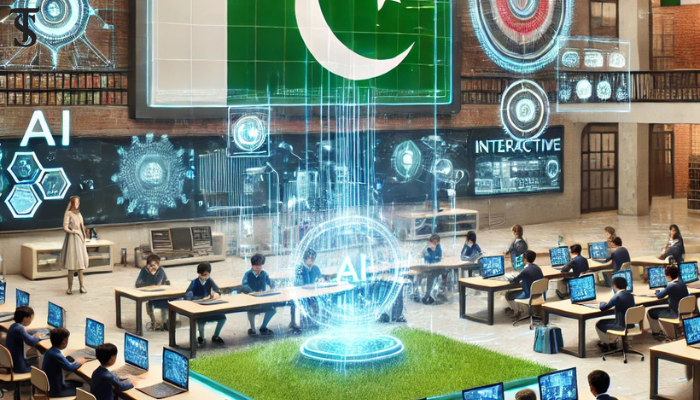
The integration of robotics and AI in STEM education is rapidly transforming how students learn, innovate, and prepare for the future. As technology continues to evolve, schools and educators are recognizing the importance of equipping learners with skills in science, technology, engineering, and mathematics through hands-on experiences with intelligent machines and algorithms. This shift is not just about teaching coding or building robots—it’s about fostering critical thinking, creativity, and problem-solving abilities that are essential in a technology-driven world.
Incorporating robotics and artificial intelligence into STEM curricula allows students to engage with real-world challenges, collaborate on projects, and understand the ethical and societal implications of emerging technologies. These experiences help bridge the gap between theoretical knowledge and practical application, making learning more relevant and engaging. For those interested in how AI is applied in other high-stakes fields, such as defense, you might explore how AI manages the transition from detection to engagement for additional context.
Why Robotics and AI Are Essential in Modern STEM Learning
The role of robotics and AI in STEM education goes beyond introducing students to new gadgets or programming languages. These technologies provide a dynamic platform for experiential learning, where students can design, build, and test their own creations. By working with intelligent systems, learners gain a deeper understanding of core STEM concepts while developing transferable skills such as teamwork, communication, and adaptability.
Robotics kits and AI-driven tools are now accessible in many classrooms, enabling students to experiment with automation, data analysis, and machine learning. These activities encourage curiosity and resilience, as students iterate on their designs and learn from failures. The collaborative nature of robotics projects also mirrors the interdisciplinary teamwork found in modern workplaces, preparing students for future careers in technology and engineering.

Key Benefits of Integrating Robotics and AI into STEM Curricula
Bringing robotics and artificial intelligence into STEM classrooms offers a range of advantages for both students and educators:
- Enhanced Engagement: Interactive projects and real-time feedback make learning more enjoyable and meaningful.
- Practical Skill Development: Students acquire technical skills in programming, engineering, and data analysis, as well as soft skills like collaboration and critical thinking.
- Preparation for Future Careers: Exposure to robotics and AI prepares learners for jobs in fast-growing fields such as automation, data science, and advanced manufacturing.
- Encouragement of Creativity: Designing and building robots or AI models fosters innovation and out-of-the-box thinking.
- Understanding Ethical Implications: Students discuss and reflect on the societal impacts of intelligent technologies, including privacy, bias, and automation.
For a deeper look at the advantages and challenges of AI in educational settings, the University of Illinois offers a comprehensive analysis in their overview of AI in schools: pros and cons.
Popular Tools and Approaches for Teaching Robotics and AI
Educators have a variety of resources at their disposal to bring robotics and AI concepts to life. Some of the most widely used tools and strategies include:
- Robotics Kits: Platforms like LEGO Mindstorms, VEX Robotics, and Arduino allow students to build and program robots for tasks ranging from simple movement to complex problem-solving.
- AI Learning Platforms: Tools such as Google Teachable Machine and Microsoft Azure AI provide accessible ways for students to experiment with machine learning and data classification.
- Project-Based Learning: Assignments that challenge students to solve real-world problems using robotics or AI foster deeper understanding and engagement.
- Competitions and Clubs: Robotics competitions and coding clubs motivate students to push their skills further and collaborate with peers.
These approaches help demystify advanced technologies, making them approachable and fun for learners of all ages.
Challenges and Considerations in Adopting Robotics and AI for STEM
While the benefits are significant, integrating robotics and AI into STEM education also presents challenges. Schools may face obstacles such as limited budgets, lack of teacher training, or insufficient access to technology. Additionally, educators must carefully consider how to address ethical concerns, such as data privacy and algorithmic bias, in age-appropriate ways.
To overcome these hurdles, ongoing professional development for teachers is crucial. Partnerships with industry and higher education institutions can also provide valuable resources and mentorship opportunities. By addressing these challenges proactively, schools can ensure that all students have equitable access to high-quality STEM learning experiences.
Real-World Applications and Future Prospects
The skills gained through hands-on work with robotics and AI have direct applications in a wide range of industries, from healthcare and transportation to entertainment and defense. Students who develop proficiency in these areas are well-positioned to contribute to innovations that will shape the future.
As technology continues to advance, the demand for workers with expertise in robotics, machine learning, and data science will only grow. Early exposure to these fields through STEM education helps build a pipeline of talent ready to tackle complex challenges and drive progress across sectors.
For those interested in specialized applications of artificial intelligence, such as its role in identifying vulnerabilities or optimizing defense systems, related topics like how AI identifies vulnerable points in incoming missiles offer further insight into the breadth of AI’s impact.
FAQs About Robotics and AI in STEM Education
How do robotics and AI enhance student engagement in STEM subjects?
Hands-on projects involving robotics and artificial intelligence make abstract STEM concepts tangible and exciting. By building and programming robots or experimenting with AI models, students see immediate results from their efforts, which boosts motivation and deepens understanding.
What are some common barriers to implementing robotics and AI in classrooms?
Common challenges include limited funding for equipment, a shortage of trained teachers, and unequal access to technology among students. Schools can address these issues by seeking grants, providing professional development, and forming partnerships with local businesses or universities.
Are there ethical considerations when teaching AI and robotics to students?
Yes, it’s important for educators to discuss topics like data privacy, algorithmic bias, and the societal impact of automation. Introducing these discussions early helps students become responsible creators and users of technology.